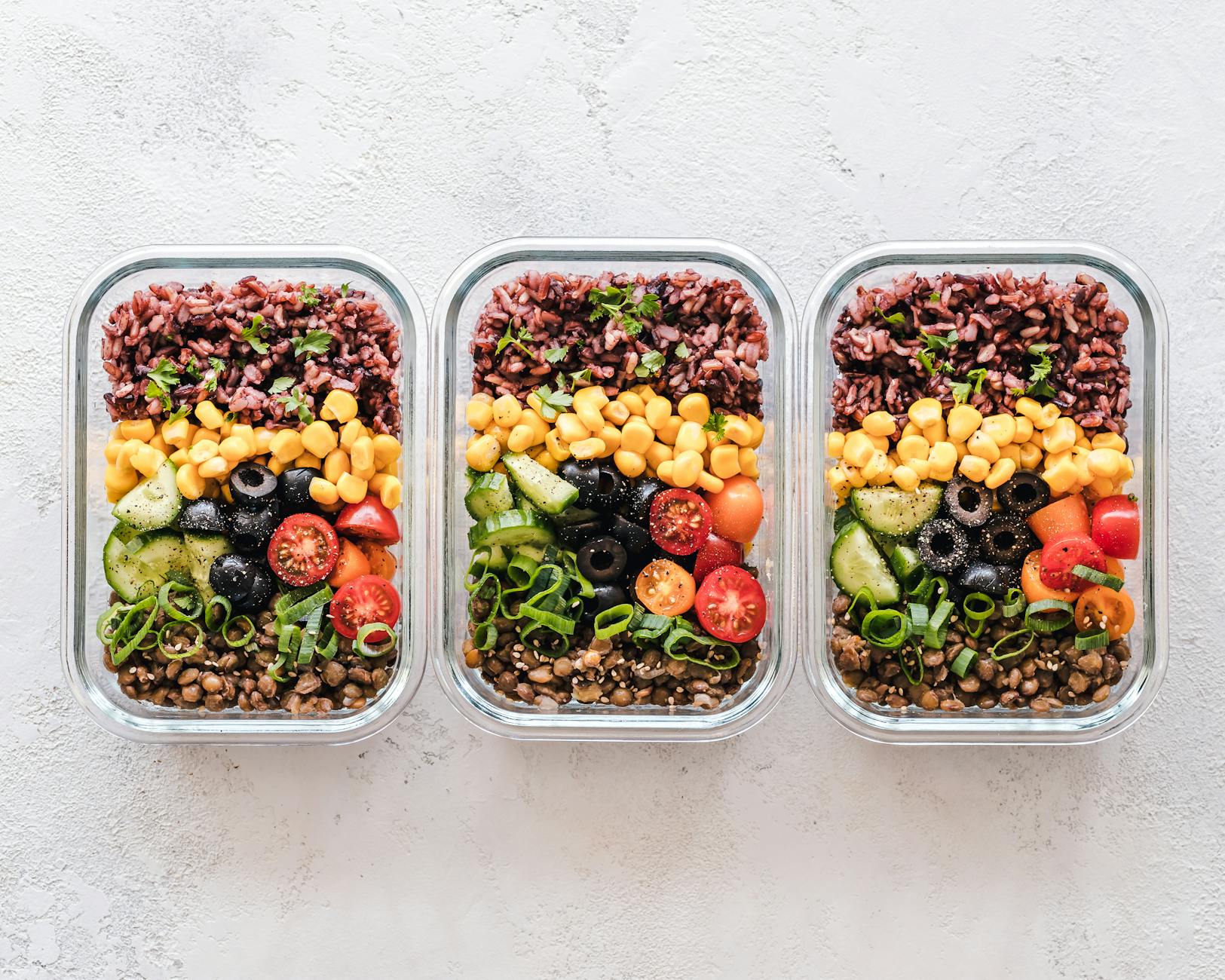
Healthy Meal Prep For Beginners
If you’ve been curious about healthy meal prep for beginners, I want you to know, you’re already ahead of where I was when I used to order takeout at 10pm simply because there was nothing ready to eat. Meal prepping isn’t some elite habit reserved for fitness influencers with six-pack abs and color-coded fridges. It’s genuinely one of the most practical things a busy person can do to eat better, spend less, and reclaim a few precious hours of their week. This guide breaks it all down, no fluff, no perfectionism required.
Why Meal Prep Actually Works (And What the Research Says)
There’s a reason so many nutritionists and dietitians recommend building a meal prep habit early. When food is already prepared and waiting in your fridge, you make decisions with your rational brain instead of your hungry, exhausted, 6pm brain. And honestly? Those are two very different decision-makers.
According to a study published in the International Journal of Behavioral Nutrition and Physical Activity, people who spend more time on home food preparation have significantly better diet quality and are less likely to eat fast food. That’s not a coincidence, it’s the direct result of having something ready to eat that you actually made yourself.
Beyond nutrition, meal prep saves money. Cooking in batches means less food waste, fewer impulse purchases, and a grocery bill that starts to feel predictable instead of terrifying. For a student or professional watching their budget, that alone makes it worth trying.
What You Actually Need to Get Started
One of the biggest myths about meal prep is that you need fancy equipment, matching containers, or a kitchen the size of a small restaurant. You don’t. I know from experience that some of my best prep sessions happened with just a sheet pan, a pot, and a handful of mismatched containers. Here’s what genuinely matters when you’re just starting out:
- A few good containers: Glass containers with locking lids are ideal, they’re microwave-safe, don’t stain, and last forever. But budget-friendly BPA-free plastic works fine too. Aim for a mix of sizes.
- One reliable sheet pan: Sheet pan meals are a beginner’s best friend. You throw everything on one pan, season it, roast it, and you’re done. Almost no skill required.
- A large pot or Dutch oven: Perfect for soups, grains, beans, or big batches of pasta. One pot, multiple meals.
- A sharp knife and cutting board: Chopping vegetables is 80% of the battle. A decent knife makes it fast and safe.
- About 2 hours on a Sunday: That’s truly all you need. Not the whole day, just a couple of intentional hours.
How to Plan Your First Meal Prep Week
Planning is where most beginners stumble. They either try to prep 21 meals for the week (way too ambitious) or prep one thing and wonder why it didn’t change anything. The sweet spot for beginners is prepping components, not complete meals. Think cooked grains, roasted vegetables, a protein or two, and a couple of sauces or dressings. Mix and match throughout the week without eating the exact same bowl every single day.
Here’s a simple framework that works well for a first prep session:
- Pick one grain: Cook a big batch of brown rice, quinoa, farro, or even plain pasta. These keep in the fridge for 4-5 days and form the base of almost any meal.
- Roast two or three vegetables: Broccoli, sweet potatoes, zucchini, bell peppers, and Brussels sprouts all roast beautifully at 400°F in about 20-25 minutes. Season simply with olive oil, salt, pepper, and garlic powder.
- Prepare one or two proteins: Baked chicken breasts, hard-boiled eggs, canned chickpeas, or cooked ground turkey are all easy options. If you’re vegetarian, a batch of lentils does the job perfectly.
- Wash and chop fresh produce: Pre-cut cucumbers, carrots, bell peppers, and leafy greens so they’re ready for salads or snacking. This takes 10 minutes and saves you the same amount of time every single day.
- Make one sauce or dressing: A simple lemon-tahini dressing or a garlicky Greek yogurt sauce can transform the same base ingredients into meals that feel completely different. Store it in a small jar in the fridge.
- Portion and store: Once everything is cooked and cooled, portion meals into containers. Label them if you’re the type to forget what’s in there. Stack them neatly so you can actually see what you have.
- Set a “use by” reminder: Cooked food is generally safe in the fridge for 3-4 days. If you prepped for the whole week, freeze half on Sunday so you have fresh options by Thursday.
Beginner-Friendly Meal Ideas That Don’t Feel Like Punishment
Healthy eating has a PR problem. Many of us have grown up assuming it means plain chicken and sad salads, and honestly, if that were true, nobody would stick with it. It really doesn’t have to be that way. Here are some genuinely satisfying combinations you can build from your prepped components:
- Grain bowls: Quinoa + roasted veggies + chickpeas + tahini dressing. Takes 3 minutes to assemble, keeps you full for hours.
- Egg and veggie scrambles: Your pre-cooked vegetables tossed into a pan with eggs in the morning. Done in five minutes, packed with protein.
- Wraps or lettuce cups: Ground turkey or chicken + rice + whatever vegetables you have + a drizzle of sauce. Easy to eat at a desk or on the go.
- Loaded soups or stews: If you batch-cook a lentil soup or chicken vegetable stew, it freezes brilliantly and reheats beautifully any day of the week.
- Simple snack packs: Pre-portioned hummus with cut vegetables, Greek yogurt with berries, or apple slices with almond butter. Having these ready means you stop reaching for whatever is nearest when hunger hits.
Common Beginner Mistakes (And How to Skip Them)
Even with the best intentions, a few predictable patterns tend to trip people up when they’re new to this. Knowing about them in advance saves you a lot of frustration.
- Prepping food you don’t actually like: Meal prep only works if you enjoy eating what you made. Start with foods you already eat and simply make more of them.
- Going too complicated too fast: If your first prep session involves three new recipes you’ve never made before, you’ll be overwhelmed and probably won’t do it again. Keep it simple until it feels routine.
- Forgetting sauces and seasonings: Plain prepped food gets boring fast. Sauces, spices, and dressings are the difference between a meal prep habit that sticks and one that gets abandoned by Wednesday.
- Not using your freezer: The freezer is underrated. Soups, cooked grains, and proteins all freeze well. If you prep more than you can eat in four days, freeze the rest immediately.
- Skipping the planning step: Prepping without a plan means you end up with a fridge full of random ingredients that don’t go together. Even a five-minute grocery list written with intention makes a big difference.
Frequently Asked Questions
How long does meal prepped food actually last in the fridge?
Most cooked proteins, grains, and roasted vegetables stay safe and good-tasting for 3 to 4 days in the fridge when stored in airtight containers. Fresh salads with dressing added don’t hold as well, so keep dressings separate until you’re ready to eat. If you’re prepping for a full week, freeze anything you won’t eat within the first four days.
Is it really cheaper to meal prep than to just eat out?
Yes, significantly. A single meal at a restaurant or through a delivery app typically costs $12-$20 (plus tip and fees). A full week of home-prepped lunches can cost $25-$40 total depending on what you’re making. The savings add up quickly, and you have complete control over what’s actually in your food.
What if I don’t have much time on weekends?
You don’t have to do all your prep at once. A “mini prep” approach works just as well, spend 20 minutes on Sunday doing the basics (cooking grains, washing produce), then add a protein or two on Wednesday. Even small prep habits compound over time. You can also do simple overnight prep, like soaking oats or marinating chicken the night before, to cut down on active cooking time.
Final Thoughts
The bottom line is that getting started with healthy meal prep for beginners doesn’t require perfection, it just requires a little consistency and a willingness to start small. Cook one thing this week. Then two things next week. Over time, it becomes less of a chore and more of a rhythm that quietly makes the rest of your week easier. Your future self, the one who opens the fridge on a Wednesday night and actually has something good to eat, will be genuinely grateful you started.
Related Articles
- Anti Inflammatory Foods To Eat Daily
- Best Foods For Brain Health And Focus
- Gut Health Tips For Beginners