Healthy Habits To Start In Your 20S
I’ll be honest, when I look back at my own 20s, I wish someone had handed me a clear, no-nonsense guide like this one. If you’re already searching for the best healthy habits to start in your 20s, you’re genuinely ahead of the curve. Your 20s are one of the best windows you’ll ever have to build a foundation that pays off for decades, not because you’re running out of time (you’re not), but because the habits you lock in now tend to stick. Your brain is still highly adaptable, your schedule still has more flexibility than it will in your 30s and 40s, and small investments in your health right now compound in ways that are honestly hard to overstate.
Why Your 20s Are a Biological Sweet Spot
Science backs this up in a pretty compelling way. A long-term study published by the American Heart Association found that young adults who maintained at least four healthy lifestyle behaviors in their 20s had significantly lower rates of cardiovascular disease by middle age. We’re talking measurable differences in heart health, cognitive function, and even mental health outcomes, all traced back to habits formed during early adulthood.
The reason your 20s matter so much isn’t because life ends after that. It’s because of something called habit architecture. When you repeat behaviors consistently during a formative period, your brain builds stronger neural pathways around those behaviors. Sleep schedules, eating patterns, movement routines, these become “default” faster when you start early. That’s biology working in your favor, not against you.
The Habits That Actually Move the Needle
Not every wellness tip you’ll find online is worth your time. Some are overly complicated, expensive, or just not realistic for someone juggling work, classes, relationships, and a budget. I know from experience that the simplest habits are usually the ones that actually last. These are the habits that research and real-world experience suggest are genuinely worth prioritizing.
- Prioritize sleep like it’s a performance tool. Most people in their 20s treat sleep as optional. It’s not. Sleep is when your body repairs tissue, consolidates memory, regulates hunger hormones, and maintains emotional stability. Seven to nine hours isn’t a luxury, it’s maintenance.
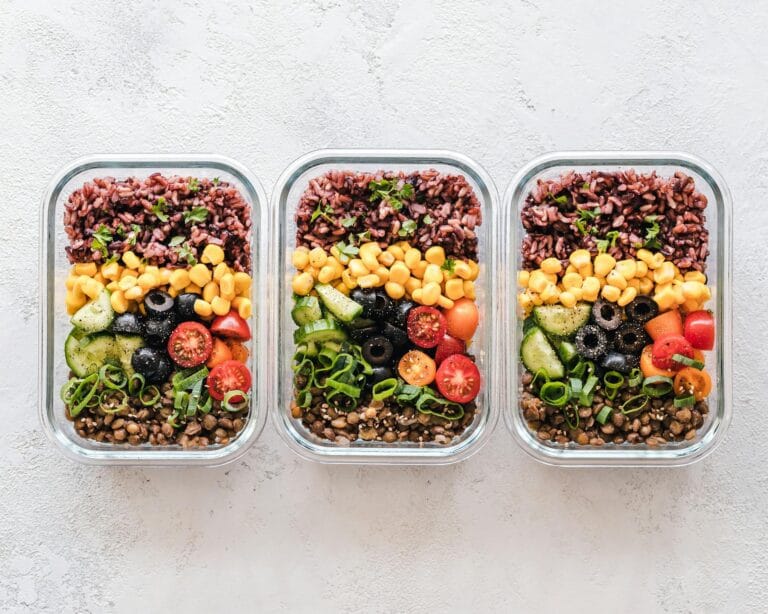
- Eat mostly whole foods, without obsessing. You don’t need a perfect diet. You need a consistent one that’s built mostly around vegetables, lean proteins, whole grains, and healthy fats. Eating 80% well and 20% whatever you enjoy is more sustainable than any elimination diet.
- Move your body for at least 30 minutes most days. It doesn’t have to be a gym. Walking, cycling, swimming, dancing, recreational sports, all of it counts. Consistency over intensity is the real goal in your 20s.
- Build a basic financial wellness habit. Money stress is one of the top drivers of chronic anxiety. Even setting aside a small emergency fund or automating a modest savings contribution each month can significantly reduce background stress that affects your physical health.
- Learn how to manage stress before it manages you. Techniques like breathwork, journaling, meditation, or even regular social time with friends are proven stress regulators. You don’t need to sit in silence for an hour, five intentional minutes can shift your nervous system state.
- Limit alcohol and avoid smoking entirely. Both are harder to walk away from the longer you stay with them. Keeping alcohol moderate in your 20s has long-term benefits for liver health, sleep quality, and mental clarity that most people don’t notice until they see the difference.
- Schedule annual health check-ups. A lot of conditions that cause serious problems in your 40s and 50s are detectable, and manageable, in your 20s. Routine bloodwork, dental cleanings, skin checks, and eye exams are not optional extras.
How to Actually Build These Habits (Step-by-Step)
Knowing what to do and knowing how to make it stick are very different problems. Here’s a practical approach that works for busy people who don’t have hours to dedicate to wellness overhauls.
- Pick one habit to focus on for 30 days. Trying to change everything at once is the fastest route to changing nothing. Choose the one habit that would have the biggest ripple effect on your life right now, for most people, that’s sleep or movement.
- Attach the new habit to something you already do. This is called habit stacking. Want to start a daily walk? Commit to walking immediately after your lunch break, not “sometime in the afternoon.” The existing anchor makes the new behavior easier to remember.
- Make the barrier to starting as small as possible. If you want to exercise in the morning, sleep in your workout clothes if you have to. If you want to eat better, prep a few basics on Sunday so healthy choices are the easy choices on a Tuesday night.
- Track it simply for the first month. A paper calendar where you X off each day you completed the habit works just as well as any app. The visual streak creates a mild motivational pull that supports consistency.
- Expect imperfection and plan for it. Missing one day doesn’t break a habit, missing two days in a row is where habits die. Decide in advance what your recovery plan looks like when life gets in the way, because it will.
- Gradually layer in the next habit. Once the first habit feels automatic, meaning you do it without thinking much about it, introduce a second one using the same process. Over six to twelve months, you can build a genuinely transformed routine this way.
The Mental Health Piece People Skip
Physical habits get most of the attention, but mental and emotional health are just as foundational. Many of us have felt the weight of our 20s more than we expected, the career decisions, financial uncertainty, identity questions, relationship shifts. The reality is that anxiety, burnout, and depression often start showing up in early adulthood partly because of all that pressure landing at once.
A few habits that support mental health specifically:
- Set boundaries with your phone. Constant connectivity raises cortisol levels and disrupts sleep. Even putting your phone in another room an hour before bed has measurable effects on sleep quality and next-day mood.
- Invest in relationships deliberately. Loneliness is a legitimate health risk. Research consistently shows that people with strong social connections live longer and report higher quality of life. Maintaining friendships takes effort, but it’s worth scheduling like any other priority.
- See a therapist if you can access one. There’s no reason to wait until something feels urgent. Therapy in your 20s, even a handful of sessions, can give you tools for emotional regulation that you’ll use for the rest of your life.
Frequently Asked Questions
Is it too late to start healthy habits if I’m already in my late 20s or early 30s?
Not even close. While starting early has advantages, your body responds to positive changes at any age. People who improve their sleep, diet, and movement habits in their 30s still see meaningful improvements in health outcomes. The best time to start is whenever you’re actually ready to start consistently.
What’s the single most impactful healthy habit to start with?
Most health researchers point to sleep as the foundation. Poor sleep undermines your energy, your decision-making, your appetite regulation, and your mood, which makes every other healthy habit harder to maintain. Getting your sleep right first tends to make everything else easier to build on top of.
How do I stay consistent when my schedule is unpredictable?
Focus on minimum viable versions of your habits rather than skipping them entirely on hard days. A 10-minute walk still counts. A quick protein-forward meal still counts. A five-minute breathing practice still counts. Training yourself to do the small version on difficult days keeps the habit alive without requiring perfect conditions.
Final Thoughts
The bottom line is that building healthy habits in your 20s isn’t about being the most disciplined person in the room or optimizing every hour of your day. It’s about making small, consistent choices that your future self will genuinely thank you for. Start with one thing, make it easy, and let momentum do the heavy lifting over time. You don’t need a complete lifestyle overhaul, you just need a beginning. For more practical wellness strategies built for real people with real schedules, explore more resources at NicheHubPro.com.
Related Articles
- Habit Stacking For Beginners
- How To Create A Healthy Morning Routine
- How To Build A Workout Habit That Sticks