
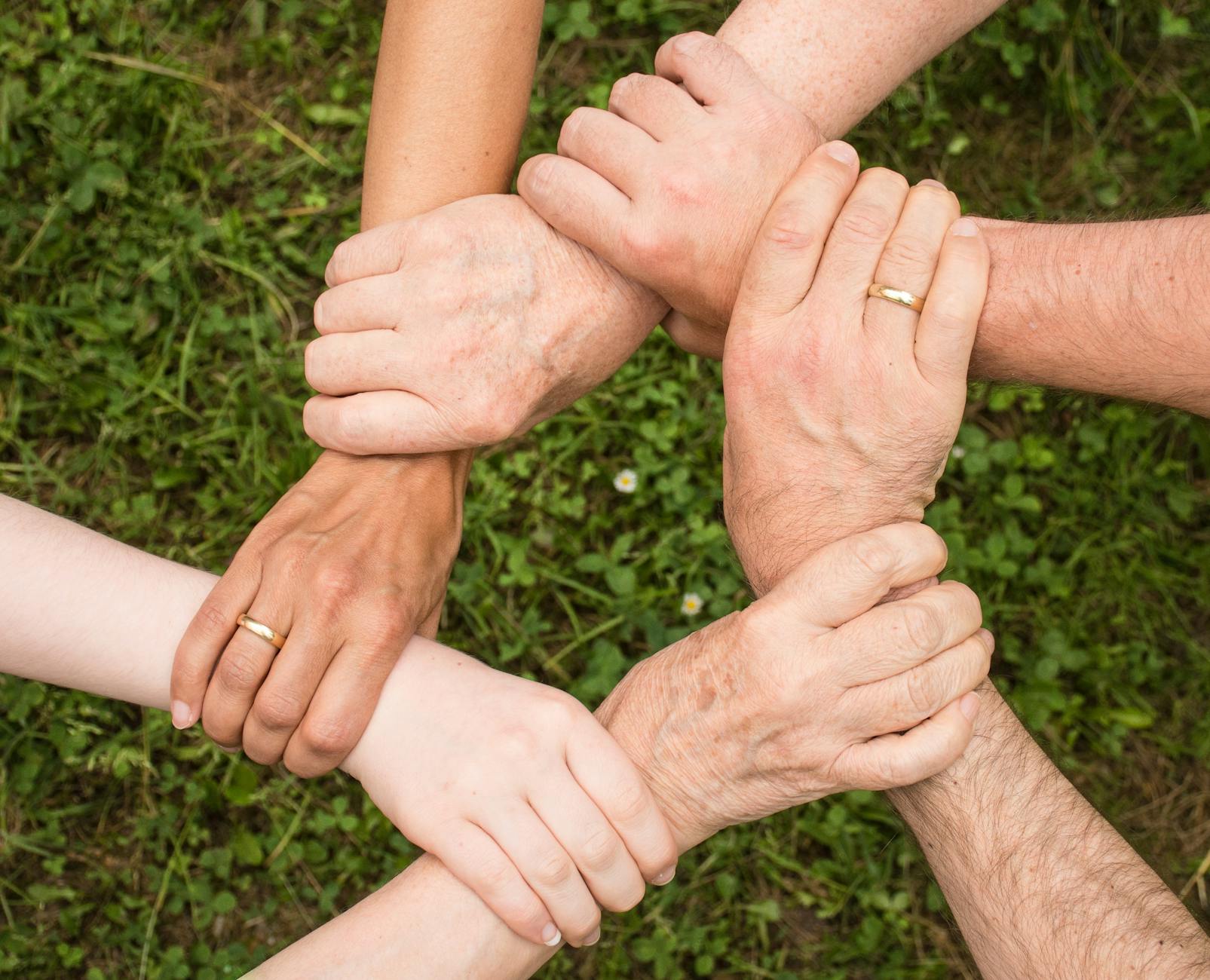
Loneliness And Mental Health Connection
I’ll be honest, I’ve sat with that hollow feeling more times than I’d like to admit, staring at my phone on a Sunday evening wondering why I felt so off when nothing was technically wrong. If that resonates with you, I want you to know you’re in good company. The loneliness and mental health connection is one of the most well-researched yet under-discussed topics in modern wellness. It’s not just about feeling sad on a Friday night. Loneliness is a genuine physiological and psychological state that shapes how your brain works, how your body responds to stress, and how well you function day to day. Understanding it is the first step to actually doing something about it.
What Loneliness Actually Is (And What It Is Not)
Loneliness isn’t the same as being alone. You can be surrounded by colleagues, classmates, or roommates and still feel profoundly disconnected. Equally, you can live alone and feel genuinely content. The distinction matters because it changes how we address the problem.
Psychologists define loneliness as the gap between the social connections you want and the ones you actually have. It’s a perceived state, which means your brain registers it as a threat regardless of the objective facts of your situation. When you feel socially disconnected, your nervous system treats it similarly to physical danger, elevating cortisol, increasing inflammation, and sharpening your focus on potential threats in your environment.
This is why loneliness is so exhausting. It’s not laziness or oversensitivity. Your brain is working overtime trying to protect you from something it perceives as genuinely risky.
The Science Behind the Connection
The research here is hard to ignore. According to a 2023 advisory from the U.S. Surgeon General, loneliness has a health impact equivalent to smoking up to 15 cigarettes a day, and it increases the risk of premature death by around 26 percent. That figure comes from decades of longitudinal studies and was significant enough to be declared a public health epidemic in the United States.
On a neurological level, chronic loneliness activates the same brain regions as physical pain. Studies using fMRI imaging have shown that social exclusion lights up the dorsal anterior cingulate cortex, the same area that processes a burn or a broken bone. This explains why emotional pain feels so physical, and why telling yourself to “just get over it” tends not to work.
For professionals and students aged 22 to 40, the risk is particularly real. This demographic is statistically one of the loneliest in modern society, often caught between leaving the structured social environment of school and not yet having built stable adult community networks. Add remote work, long hours, and social media comparisons into the mix, and it becomes a perfect storm. I know from experience that the post-college transition especially can feel like someone quietly pulled the social rug out from under you.
How Loneliness Affects Your Daily Mental Performance
Beyond the bigger health statistics, loneliness creates practical, day-to-day friction that most busy people attribute to other causes. Here’s how it tends to show up:
- Brain fog and reduced concentration: Chronic loneliness increases baseline cortisol, which directly impairs working memory and decision-making ability. If you feel mentally sluggish without a clear reason, social disconnection could be a contributing factor.
- Disrupted sleep: Research consistently links loneliness to lighter, less restorative sleep. Your brain remains in a low-level alert state, making deep sleep harder to achieve and leaving you more fatigued during the day.
- Increased anxiety and rumination: Lonely individuals are more likely to replay negative social interactions, anticipate rejection, and interpret neutral situations as threatening. This loop is hard to break without awareness of what’s driving it.
- Lower motivation: The reward system in your brain relies partly on social reinforcement. When that’s absent, tasks that should feel meaningful start to feel pointless, which can be mistaken for burnout or depression.
- Higher alcohol and substance use: Loneliness significantly raises the likelihood of using substances as a coping mechanism, particularly among young adults managing high-pressure environments.
Practical Steps to Address Loneliness Without Overhauling Your Life
You don’t need to become a social butterfly or suddenly develop a packed event calendar. Small, consistent actions tend to work far better than dramatic overhauls. Here’s a realistic approach:
- Identify the type of connection you’re actually missing. Loneliness comes in different forms. Some people need more intimate, one-on-one depth. Others miss casual, low-stakes social contact, the kind you get from a friendly barista or a gym buddy. Knowing which gap you’re trying to fill helps you choose the right strategy instead of wasting energy on the wrong kind of socializing.
- Schedule one real interaction per week with intention. Not a spontaneous hope that plans will come together, a deliberate calendar block. This could be a weekly call with a friend, a standing lunch with a coworker, or a regular class you show up to in person. Consistency matters more than intensity.
- Reduce passive social media consumption. Scrolling through other people’s highlights while alone is one of the fastest ways to amplify feelings of disconnection. Set a specific limit, even 20 fewer minutes per day, and redirect that time toward something with active social potential.
- Join a low-commitment recurring activity. Book clubs, running groups, climbing gyms, coding meetups, pottery classes, anything where you see the same people regularly without requiring deep emotional investment upfront. Repeated exposure builds familiarity, and familiarity naturally develops into connection over time.
- Practice being a better receiver, not just a giver. Many of us have felt the pressure to always seem like we’ve got it together, and honestly, it can quietly push people away. If someone asks if you’re okay, give them a real answer occasionally. Vulnerability, used lightly and appropriately, is what deepens relationships.
- Talk to a professional if it feels persistent. If loneliness is accompanied by low mood, social anxiety, or a sense that connection simply isn’t possible for you, a therapist can help untangle what’s driving that belief. Cognitive behavioral therapy has strong evidence for improving social functioning and reducing the thought patterns that maintain loneliness.
What You Can Do Right Now If You Are in a Busy Season
Sometimes life circumstances genuinely limit your social bandwidth, a demanding project, exam season, a new city, a recent move. In those periods, the goal isn’t to build a thriving social life from scratch. It’s to maintain a baseline level of human warmth so the deficit doesn’t compound.
A two-minute text to someone you haven’t spoken to in a while costs almost nothing and often opens a door you thought had closed. Choosing a coffee shop over your apartment to do focused work adds ambient human presence that genuinely reduces the sharpness of social isolation. Listening to a podcast where you enjoy the hosts creates a mild parasocial effect that isn’t a replacement for real connection, but does take the edge off during high-isolation periods.
None of these are permanent solutions. They’re maintenance tools, and treating them as such removes the pressure to perform a social life you don’t currently have the capacity for.
Frequently Asked Questions
Is loneliness the same as depression, and do they always come together?
They’re related but distinct. Loneliness is a state that can exist without clinical depression, and depression can occur even in people who have rich social lives. However, chronic loneliness significantly raises the risk of developing depression over time, and the two can reinforce each other in a cycle that becomes harder to exit. If low mood persists alongside loneliness for more than two weeks, speaking with a mental health professional is a reasonable and worthwhile step.
Can online friendships actually reduce loneliness, or are they just a substitute?
Online friendships can genuinely reduce loneliness when they involve real reciprocity, consistent communication, and emotional honesty. What tends not to help, and can actually worsen things, is passive consumption of other people’s content without real interaction. The key variable is whether the connection is bidirectional and whether you feel genuinely seen and understood within it.
How long does it take to build meaningful social connections as an adult?
Research from the University of Kansas found that it takes roughly 50 hours of interaction to move from acquaintance to casual friend, and around 200 hours to develop a close friendship. This sounds like a lot, but it highlights why repeated exposure to the same people, through classes, clubs, or regular work contact, matters so much. It’s not about one great conversation. It’s about accumulated time.
Final Thoughts
The bottom line is this: the loneliness and mental health connection is real, measurable, and deeply worth your attention, not because you should feel alarmed, but because understanding it gives you actual leverage over how you feel. Loneliness isn’t a character flaw or a sign that something’s broken about you. It’s a signal your brain sends when a genuine human need is going unmet. The good news is that needs, unlike personality traits, can be addressed. You don’t need a social transformation. You need small, consistent moves in the right direction, and those are always within reach.