
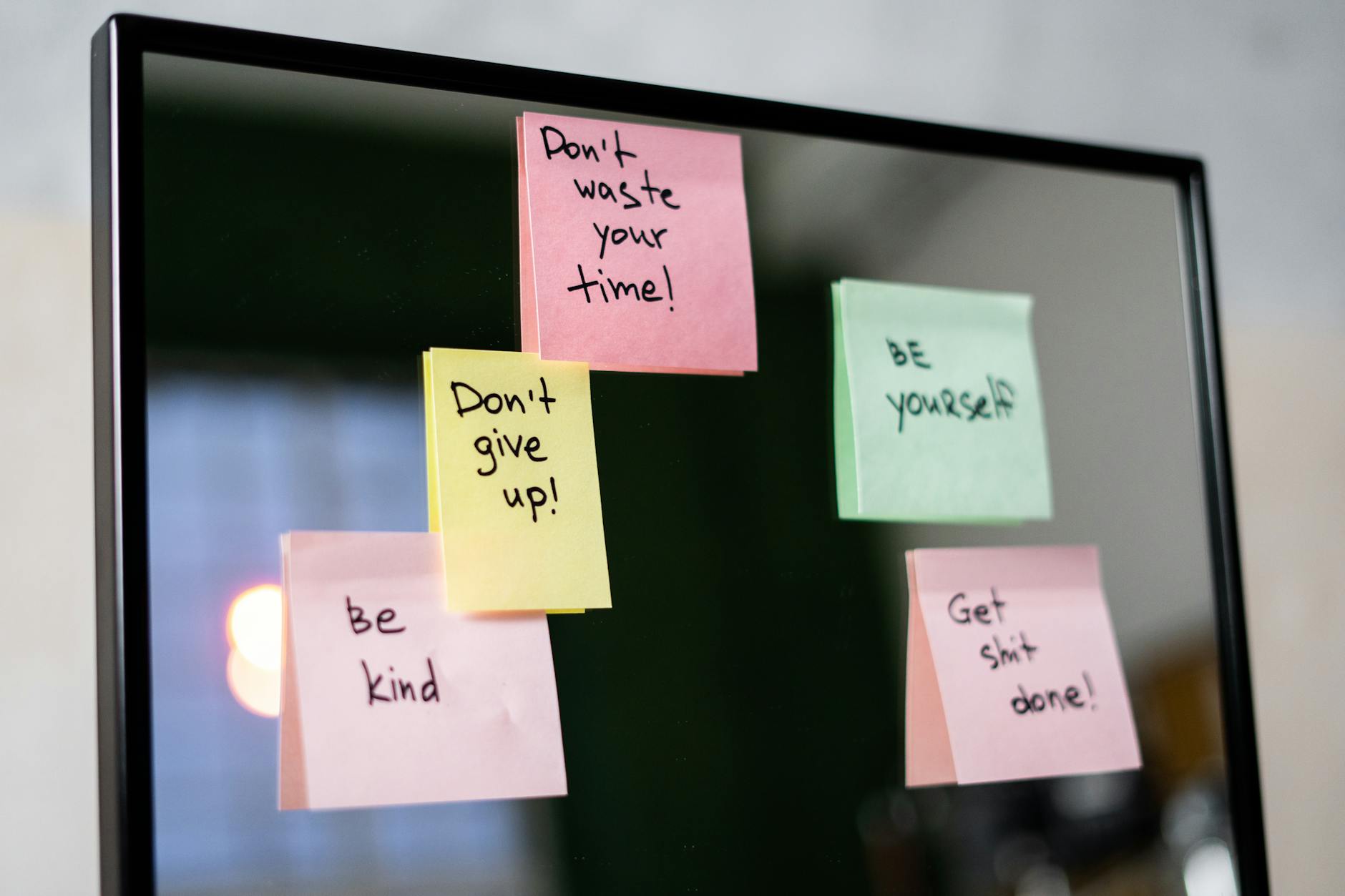
How To Build A Positive Mindset Daily
I’ll be honest, there was a season in my life where I genuinely thought some people were just born with a sunnier outlook, and the rest of us were stuck managing. It took me a while to realize that wasn’t true at all. Learning how to build a positive mindset daily isn’t about forcing a smile or pretending everything is fine, it’s about building small, repeatable habits that gradually rewire the way you respond to life. The good news? Science strongly supports the idea that your mindset is not fixed. With the right tools and a little consistency, you can shift the way you think, feel, and show up every single day.
Why Your Mindset Matters More Than You Think
Your mindset shapes every decision you make, every relationship you invest in, and every challenge you either push through or walk away from. It influences how you interpret setbacks, how resilient you are under pressure, and even how your body physically responds to stress. This isn’t motivational fluff, it’s biology and psychology working together.
According to research published by the American Psychological Association, people who regularly practice positive thinking strategies show measurably lower levels of cortisol, the body’s primary stress hormone, and report higher overall life satisfaction compared to those who don’t. That’s a meaningful difference, and it starts with daily practice, not a personality overhaul.
What most people get wrong is thinking they need to eliminate all negative thoughts. That’s not realistic, and chasing that goal will wear you out fast. Instead, the goal is to build a mental environment where positive thinking has more room to grow, and where negative thought patterns lose their automatic grip on your reactions.
The Core Habits That Actually Work
There’s a wide gap between habits that sound good in theory and ones that hold up in real life. The following practices are grounded in behavioral psychology and cognitive science, and they’re designed to fit into the kind of busy, imperfect schedule most people aged 22 to 40 are actually navigating.
- Morning intention setting: Before you check your phone, spend two minutes deciding how you want to feel and what matters most that day. This activates your prefrontal cortex, the part of the brain responsible for goal-directed behavior, before reactive thinking takes over.
- Gratitude journaling: Writing down three specific things you’re grateful for each day has been shown to increase optimism and reduce symptoms of anxiety over time. The key word is specific, “my apartment is warm” works better than “I’m grateful for everything.”
- Reframing negative self-talk: When you catch yourself thinking “I always mess things up,” try asking “What’s one thing I handled well recently?” This isn’t denial, it’s cognitive restructuring, a core technique used in therapy.
- Moving your body: Exercise isn’t just for physical health. Even a 20-minute walk triggers the release of endorphins and BDNF (brain-derived neurotrophic factor), which literally supports the growth of new neural connections linked to better mood and mental clarity.
- Curating your inputs: The content you consume, the conversations you have, and the people you spend time with all shape your baseline mindset. Auditing these regularly and making intentional choices about what gets your attention is one of the most underrated mindset tools available.
How to Build a Positive Mindset Daily: A Step-by-Step Routine
Habits only stick when they’re attached to a realistic structure. Here’s a practical framework you can start this week, built around the rhythm of a typical day. You don’t need to do all of it perfectly, consistency over time matters far more than perfection on any single day.
- Start your morning with a two-minute mental reset. Before reaching for your phone, sit up, take three slow breaths, and ask yourself: “What’s one thing I’m looking forward to today?” This breaks the reactive morning cycle and gives your brain an anchor of purpose. It sounds simple because it is, and simple is what actually gets done.
- Schedule a mid-day check-in with yourself. Around lunch or early afternoon, pause for five minutes. Notice your current emotional state without judgment. Are you frustrated, energized, scattered, calm? Naming your emotions, a practice called affect labeling, reduces the intensity of negative feelings and increases your sense of control. You don’t need an app for this. A sticky note that says “How am I actually doing?” works just fine.
- Do one thing that genuinely challenges you. A positive mindset isn’t built by avoiding difficulty, it’s built by proving to yourself, repeatedly, that you can handle hard things. Each day, identify one task or conversation you’ve been putting off and do it. The confidence that comes from following through compounds over time and becomes a core part of how you see yourself.
- End the evening with a brief reflection. Before you sleep, spend three to five minutes reviewing the day, not to critique yourself, but to acknowledge. What went well? What would you handle differently? What are you proud of, even in a small way? Evening reflection helps your brain consolidate positive experiences during sleep, which makes them more accessible as reference points the next day.
What to Do When It Feels Impossible
There will be days when none of this feels accessible. I know from experience that grief, burnout, or just plain exhaustion can make a positive mindset feel like an insult, like someone’s asking you to redecorate while the house is on fire. On those days, the goal isn’t positivity, it’s stability. Instead of trying to feel good, aim to feel grounded.
That might look like drinking a glass of water, texting one person you trust, stepping outside for five minutes, or simply acknowledging that today is hard and that’s allowed. These aren’t failures in your mindset practice, they’re part of it. Compassion for yourself on difficult days is just as important as any gratitude journal or morning routine. In fact, self-compassion researcher Dr. Kristin Neff’s work consistently shows that treating yourself with the same kindness you’d offer a friend is one of the most powerful long-term predictors of emotional resilience.
The Role of Environment in Shaping Your Mindset
Your surroundings influence your thinking more than most people realize. A cluttered workspace can increase cognitive load and stress. Constant exposure to negative news cycles keeps your nervous system on alert. A social circle that defaults to cynicism makes optimism feel out of place and even embarrassing.
This doesn’t mean you need a Pinterest-perfect home or a complete social overhaul. It means making small, intentional shifts. Clear one corner of your workspace. Replace 20 minutes of doom-scrolling with a podcast that leaves you feeling energized. Spend a little more time around people who are building something and a little less time in conversations that go nowhere. Your environment either supports your mindset work or quietly undermines it, there’s rarely a neutral option.
Frequently Asked Questions
How long does it take to actually build a positive mindset?
Research on habit formation suggests that meaningful behavioral change takes anywhere from 21 to 66 days depending on the complexity of the habit and the person. You’ll likely notice small shifts in mood and self-awareness within the first two weeks, but deeper changes in how you automatically interpret situations usually take closer to two to three months of consistent practice. The timeline varies, but the direction is reliable if you stay with it.
Is a positive mindset the same as toxic positivity?
No, and this distinction matters. Toxic positivity is the dismissal of genuine negative emotions with forced cheerfulness, “just look on the bright side” in response to real pain. A healthy positive mindset, by contrast, makes room for difficult emotions while building the internal resources to navigate them without being defined by them. The goal is emotional honesty plus resilience, not emotional suppression dressed up in a good mood.
Can a positive mindset help with anxiety or depression?
Mindset practices like cognitive reframing, gratitude journaling, and mindfulness can meaningfully reduce symptoms of mild to moderate anxiety and depression, and they’re widely used as complementary tools alongside therapy and, where appropriate, medication. However, they are not a replacement for professional mental health care. If you’re struggling with persistent anxiety, depression, or other mental health challenges, please reach out to a licensed therapist or counselor who can provide proper support tailored to your situation.
Final Thoughts
The bottom line is that building a positive mindset daily isn’t a destination you reach and stay at forever, it’s a practice you return to, again and again, in the ordinary moments that make up your life. Some days you’ll nail your morning routine, crush your to-do list, and feel genuinely good about where you’re headed. Other days you’ll skip everything and eat cereal for dinner, and that’s still okay. Many of us have felt the sting of an “off” week and wondered if we’d somehow lost our progress, you haven’t. What matters isn’t perfection, it’s the decision to keep showing up for yourself, one small habit at a time. Start with one thing from this article today. Just one. That’s how it begins, and that’s how it sticks.
Related Articles
- How To Develop A Growth Mindset
- How To Practice Gratitude Every Day
- How To Overcome Negative Self Talk