
How To Reduce Inflammation In Your Body
If you’ve landed here, chances are something in your body has been trying to get your attention, maybe it’s that stubborn joint ache that flares up every morning, or skin that just won’t calm down no matter what you try. I’ve been there, and so have a lot of the people I talk to through this blog. Learning how to reduce inflammation in your body is honestly one of the most practical and impactful things you can do for your long-term health. Inflammation isn’t always the enemy, your immune system uses it to fight off infections and heal injuries. But when it sticks around longer than it should, it quietly damages tissues and raises your risk for serious conditions. The good news is that small, consistent changes to your daily habits can make a measurable difference.
What Is Chronic Inflammation and Why Should You Care?
Acute inflammation is your body doing its job. You sprain your ankle, it swells up, and a few days later you’re back to normal. Chronic inflammation is different. It’s a low-grade, ongoing immune response that keeps firing even when there’s no real threat. Think of it like a smoke alarm that never turns off, eventually, it starts to damage the house it was meant to protect.
According to the National Institutes of Health, chronic inflammatory diseases are the leading cause of death worldwide, responsible for more than 50% of all deaths globally. That number puts things into perspective. Conditions like heart disease, type 2 diabetes, Alzheimer’s, and certain cancers are all strongly linked to long-term inflammation. For people in their twenties and thirties, this might feel distant, but inflammation builds over time, and the habits you build now directly shape your health a decade from now.
Foods That Feed Inflammation vs. Foods That Fight It
Your plate is one of the most powerful tools you have. Certain foods trigger inflammatory pathways in your body, while others actively calm them down. Processed foods, refined sugars, trans fats, and excessive alcohol are some of the biggest culprits. These ingredients spike blood sugar, disrupt your gut microbiome, and push your immune system into overdrive.
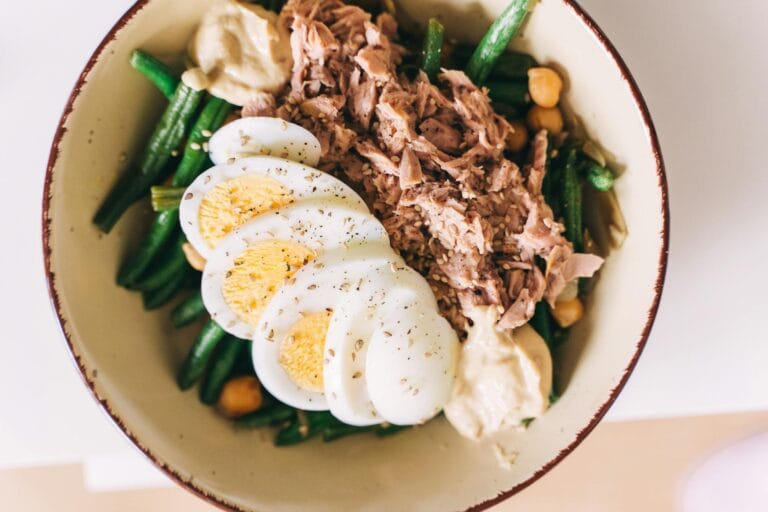
On the flip side, an anti-inflammatory diet focuses on whole, nutrient-dense foods that support your body’s natural regulation. I know from experience that overhauling your entire diet at once feels overwhelming, so don’t. Just start getting familiar with these foods and look for natural ways to work them in. Here are some of the most effective options to add to your regular rotation:
- Fatty fish like salmon, sardines, and mackerel, rich in omega-3 fatty acids, which block inflammatory signaling molecules called cytokines.
- Leafy greens like spinach, kale, and arugula, packed with antioxidants and vitamin K, which plays a role in controlling inflammation.
- Berries including blueberries, strawberries, and raspberries, contain anthocyanins, powerful plant compounds that reduce oxidative stress.
- Olive oil, extra virgin olive oil contains oleocanthal, a compound with effects similar to ibuprofen at a molecular level.
- Turmeric, its active compound curcumin inhibits several inflammatory pathways. Combine it with black pepper to dramatically boost absorption.
- Nuts and seeds like walnuts and flaxseed, another solid source of omega-3s and healthy fats that support cellular health.
Cutting back on ultra-processed snacks, sugary drinks, and heavily refined carbs doesn’t have to happen overnight. Start by swapping one meal a day and build from there.
A Practical Step-by-Step Plan to Reduce Inflammation
Knowing what to do and actually building it into your life are two very different things. Here’s a realistic, structured approach that works whether you’re starting from scratch or looking to level up what you’re already doing.
- Overhaul your breakfast first. Breakfast sets your blood sugar tone for the day. Replace sugary cereals and pastries with options like oatmeal topped with berries and walnuts, or eggs with sautéed greens and a side of avocado. A stable blood sugar response from the start of the day reduces inflammatory spikes before they happen.
- Move your body for at least 30 minutes most days. Regular moderate exercise, walking, cycling, swimming, yoga, lowers levels of inflammatory markers like C-reactive protein (CRP). The key word is moderate. Intense exercise without adequate recovery can actually increase inflammation temporarily, so balance is important. Aim for consistency over intensity, especially if you’re just getting started.
- Make sleep non-negotiable. Poor sleep is one of the most underappreciated drivers of chronic inflammation. Even one night of disrupted sleep can trigger measurable increases in inflammatory markers. Adults need seven to nine hours per night. Set a consistent bedtime, limit screen time in the hour before bed, and keep your room cool and dark. This isn’t just rest, it’s active recovery.
- Build a stress management practice. Chronic stress floods your body with cortisol, and over time, your cells become less responsive to it. That blunted response leads to uncontrolled inflammation. Daily stress-reduction habits don’t have to be complicated, ten minutes of deep breathing, a short walk outside, journaling, or even a quiet cup of tea without your phone can meaningfully lower your baseline stress response over weeks and months.
- Audit your gut health. A large portion of your immune system lives in your gut, and an imbalanced microbiome fuels systemic inflammation. Add fermented foods like yogurt, kimchi, kefir, or sauerkraut to your diet regularly. If you’re not used to high-fiber foods, introduce them gradually to avoid digestive discomfort while your gut microbiome adjusts.
- Limit alcohol and quit smoking if either applies to you. Both are well-documented triggers for inflammation. If you drink, keeping it to one drink per day for women and two for men is the commonly cited guideline, though less is always better from an inflammation standpoint. Smoking inflames the airways and blood vessels and accelerates cellular aging.
The Role of Hydration and Gut Health
Staying properly hydrated helps your kidneys flush out waste products that can contribute to inflammatory load. Aim for at least eight cups of water a day, more if you’re active or live in a warm climate. Herbal teas like ginger and green tea are also worth adding, both have documented anti-inflammatory properties.
Your gut microbiome deserves its own conversation. Research increasingly shows that the diversity and balance of bacteria in your digestive system directly influence your immune response. Eating a wide variety of plant foods, at least 30 different types per week is a target some researchers suggest, is one of the most effective ways to support microbial diversity. That might sound like a lot, but herbs, spices, nuts, and different vegetable varieties all count. Many of us have felt the difference that a more varied, plant-rich diet makes, even before we understood the science behind why.
Supplements Worth Considering
Food first is always the right approach, but some supplements have decent research backing them for inflammation. Always talk to a doctor before starting anything new, particularly if you take medication. That said, a few options are worth knowing about:
- Omega-3 fish oil, particularly useful if you don’t eat fatty fish regularly.
- Curcumin, look for formulations that include piperine (from black pepper) or are designed for better bioavailability.
- Magnesium, many people are deficient, and low magnesium is associated with higher inflammation markers.
- Vitamin D, plays a significant role in immune regulation, and deficiency is extremely common, especially in people who spend most of their time indoors.
Frequently Asked Questions
How long does it take to reduce inflammation through diet and lifestyle changes?
It varies from person to person, but many people notice changes in energy, digestion, and joint comfort within two to four weeks of consistent dietary changes. Measurable reductions in inflammatory markers like CRP can show up in blood work within six to eight weeks. The key is consistency, these aren’t quick fixes but sustainable shifts that compound over time.
Can exercise make inflammation worse?
Temporarily, yes. Intense exercise causes a short-term spike in inflammation as part of the repair process, that’s actually how you build strength. But regular moderate exercise consistently reduces chronic, systemic inflammation over time. The problem arises when people train intensely without adequate recovery, sleep, or nutrition. If you’re very new to exercise, start slow and build gradually.
Are there any signs that chronic inflammation is improving?
Yes, and many of them are things you’ll notice before any lab test confirms it. Common signs include better sleep quality, reduced joint stiffness (especially in the morning), clearer skin, improved digestion, more stable energy throughout the day, and a general reduction in brain fog. These subjective improvements often precede measurable changes in blood markers, so paying attention to how you feel is a useful tracking tool.
Final Thoughts
The bottom line is that reducing inflammation isn’t about following a rigid protocol or overhauling your life overnight. It’s about stacking small, evidence-based habits that support your immune system and keep it working the way it’s designed to. Food, sleep, movement, stress, and gut health are all connected, improving one tends to have a positive ripple effect on the others. Start with what feels most manageable, build from there, and give your body the time it needs to respond. Your future self will feel the difference.
Related Articles
- Anti Inflammatory Foods To Eat Daily
- Omega 3 Benefits And Best Food Sources
- Gut Health Tips For Beginners