Mindfulness Exercises For Beginners
I’ll be honest, when I first heard the word “mindfulness,” I rolled my eyes a little. It sounded like something that required incense, a yoga mat, and a personality transplant. But once I actually tried it, I realized how wrong I was. If you’ve been curious about mindfulness exercises for beginners, you’re in good company, and you don’t need a meditation cushion, a retreat booking, or an hour of free time to get started. Mindfulness is genuinely one of the most accessible mental wellness tools out there, and the research behind it is solid. Whether you’re a graduate student grinding through deadlines or a professional juggling back-to-back meetings, these exercises can fit into the margins of your real life. No spiritual framework required, no prior experience needed.
What Mindfulness Actually Is (And What It Isn’t)
Mindfulness often gets wrapped up in a lot of mystical language that puts people off before they even try it. Strip that away, and what you have is pretty simple: paying deliberate, non-judgmental attention to what’s happening right now. That’s it. You’re not trying to empty your mind or achieve some blissful state. You’re just practicing the act of noticing, your breath, your body, a sound, a thought, without immediately reacting to it.
This matters because most of us spend a surprisingly large portion of our waking hours mentally somewhere else. Replaying a conversation from yesterday, rehearsing tomorrow’s presentation, scrolling out of sheer habit. Many of us have felt that strange jolt of arriving somewhere and barely remembering the drive, that’s the opposite of mindfulness. Mindfulness is the practice of gently pulling yourself back to the present, repeatedly, without beating yourself up for having drifted.
Why the Science Actually Backs This Up
This isn’t just wellness culture hype. According to a 2023 study published in JAMA Internal Medicine, mindfulness-based interventions significantly reduced symptoms of anxiety, depression, and chronic pain across a range of adult populations, with effects comparable to medication in some cases. That’s a meaningful finding, not a soft claim.
Other research has consistently linked regular mindfulness practice to better working memory, improved focus, reduced cortisol levels, and even stronger immune responses. For someone trying to perform well under pressure, those aren’t minor perks. The brain is genuinely trainable, and short, consistent mindfulness sessions are one of the more evidence-backed ways to do that training.
The Best Mindfulness Exercises for Beginners
Here’s where things get practical. You don’t need to commit to a 30-minute daily session to see benefits. Studies suggest even 5 to 10 minutes of consistent practice can shift your stress response over time. The key is choosing exercises that actually fit your lifestyle, not some idealized version of it.
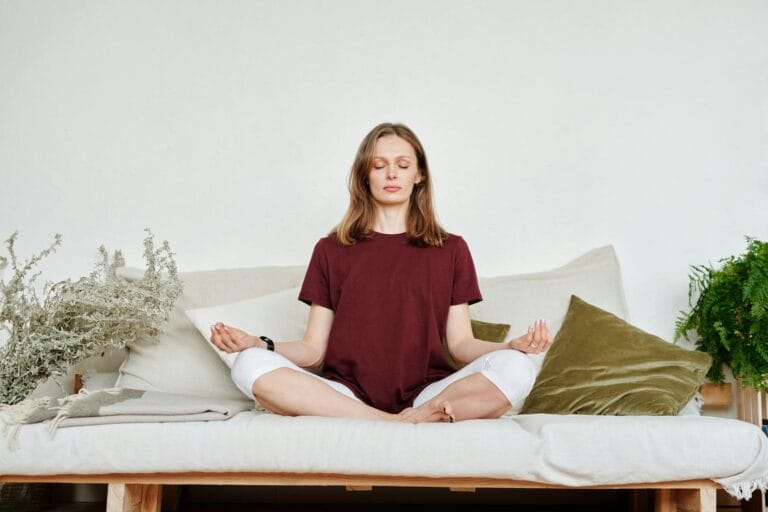
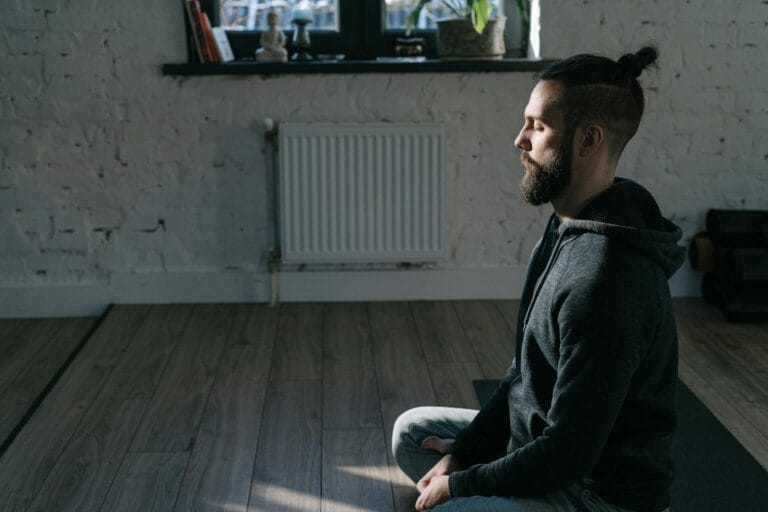
- Focused breathing: Sit comfortably, close your eyes if you like, and bring your attention to the sensation of breathing. Not controlling it, just noticing the inhale, the exhale, the pause between. When your mind wanders (it will), simply return your focus. That return IS the practice.
- Body scan: Lie down or sit quietly and slowly move your attention through your body from head to toe. Notice tension, warmth, pressure, no need to fix anything, just observe. Great for winding down before bed.
- Mindful eating: Pick one meal or snack this week and eat it without your phone or screen. Notice the texture, temperature, and taste of each bite. It sounds almost embarrassingly simple, but most people find it genuinely disorienting at first, a sign of how rarely we’re actually present.
- Sensory grounding (5-4-3-2-1): Name 5 things you can see, 4 you can feel, 3 you can hear, 2 you can smell, 1 you can taste. This is particularly useful when anxiety spikes mid-day or before a stressful event. It works fast and requires zero prep.
- Mindful walking: On your next walk, even just to the kitchen or to the parking lot, put your phone in your pocket and pay attention to the physical act of walking. The weight shift, the ground beneath your feet, the rhythm of your movement. You can do this anywhere, anytime.
How to Build a Beginner Mindfulness Routine: Step by Step
Starting small and staying consistent beats ambitious plans that collapse by week two. I know from experience that the all-or-nothing approach is exactly how good habits die. Here’s a practical approach to building a routine that actually sticks:
- Choose one anchor habit. Attach your mindfulness practice to something you already do every day, morning coffee, your commute, brushing your teeth. You’re not adding a new block to your schedule; you’re deepening something that already exists. This dramatically improves follow-through.
- Start with just three minutes. Seriously. Set a timer, pick one exercise from the list above, and just show up for three minutes. The goal for the first two weeks isn’t depth, it’s consistency. You’re training the habit loop before you build on it.
- Use a simple app or audio guide. Apps like Insight Timer (free), Headspace, or Calm offer guided beginner sessions that remove the guesswork. A calm voice walking you through it is far easier than trying to remember instructions while also trying to be present. Think of it as training wheels, useful, not permanent.
- Track it for two weeks. Not obsessively, just a checkmark in your notes app or a small journal. Seeing a streak builds motivation. Missing a day is fine; the goal is to notice when you miss it and come back without drama.
- Gradually extend and vary. After two weeks, increase to five or seven minutes, or try a different exercise. Variety keeps engagement up and also builds a broader toolkit so you have options depending on what your day throws at you.
Common Mistakes That Trip Up Beginners
Knowing what tends to go wrong saves you the frustration of thinking you’re doing it incorrectly when you’re actually doing just fine.
- Thinking a wandering mind means failure: Mind-wandering is not the enemy, it’s literally the mechanism you’re training against. Every time you notice your mind has drifted and you bring it back, that’s a rep. That’s the exercise working.
- Waiting until you feel stressed to use it: Mindfulness isn’t just a fire extinguisher. Practiced regularly when you’re calm, it becomes more available when things get hard. Build the skill first; deploy it when needed.
- Expecting quick dramatic results: Most people notice subtle shifts within two to three weeks, less reactivity, slightly better sleep, a little more space between trigger and response. It’s not dramatic. But over months, it compounds meaningfully.
- Forcing a specific position or setting: You don’t have to sit cross-legged on the floor. A desk chair works. A park bench works. Your car works. Remove the physical barriers early on.
Fitting Mindfulness Into a Genuinely Busy Schedule
The biggest objection is always time. But mindfulness doesn’t require additional time slots in most cases, it requires redirecting attention during time you already have. Your commute, the two minutes between meetings, waiting for your coffee to brew, lying in bed before you reach for your phone in the morning. These micro-moments are real opportunities.
Think of it less like adding a new task and more like adjusting the quality of attention you bring to what’s already there. A two-minute breathing reset between a hard meeting and your next task isn’t a luxury, it’s a functional performance tool. Reframing it that way tends to make it stick for people who are results-oriented.
Frequently Asked Questions
How long does it take for mindfulness to actually work?
Most research points to noticeable benefits, reduced stress, better focus, improved emotional regulation, appearing within four to eight weeks of consistent practice, even at just five to ten minutes per day. Some people notice small shifts in the first two weeks. It’s cumulative, not instant, but it’s also not slow.
Do I need to meditate to practice mindfulness?
No. Formal meditation (sitting quietly with closed eyes and focused breathing) is one form of mindfulness, but it’s not the only one. Mindful eating, walking, body scans, and even mindful conversations all count. The formal practice helps build the skill, but the goal is to eventually carry that quality of attention into everyday moments.
What’s the difference between mindfulness and meditation?
Meditation is a structured practice, you set aside time, follow a technique, and practice deliberately. Mindfulness is the broader quality of awareness you’re developing through that practice. Think of meditation as the gym session and mindfulness as the fitness you carry into daily life. You can be mindful without formally meditating, though regular meditation tends to deepen it.
Final Thoughts
The bottom line is this: mindfulness isn’t a personality type or a lifestyle overhaul, it’s a skill, and like any skill, it gets better with use. Starting small, staying consistent, and dropping the expectation of perfection will get you further than any elaborate routine. If you try one exercise from this article today and notice even a single moment of genuine presence, that’s not nothing, that’s exactly where it starts. Keep it simple, keep it honest, and let the practice build on itself over time.