Anti Aging Foods To Eat Daily
If you’ve been searching for anti aging foods to eat daily, you’re already ahead of the curve. I’ll be honest, I didn’t start thinking seriously about what I was eating until I noticed my energy wasn’t bouncing back the way it used to. Most of us wait until we spot the first fine lines or feel that afternoon slump getting worse before we start paying attention to what’s actually on our plate. But here’s the thing, what you eat in your twenties and thirties quietly shapes how you feel and look well into your forties, fifties, and beyond. The good news? You don’t need a complicated diet or expensive supplements. A handful of strategic, delicious foods added to your regular meals can make a meaningful difference over time.
Why Food Is Your Best Anti-Aging Tool
Aging is partly genetic, sure, but research consistently shows that lifestyle choices, especially nutrition, play a massive role in how quickly or slowly that process unfolds. At the cellular level, aging is driven by oxidative stress and chronic inflammation. Free radicals damage your cells, your DNA, and the collagen that keeps your skin firm. Antioxidants and anti-inflammatory compounds found in whole foods help neutralize those free radicals before they cause lasting harm.
According to a 2023 study published in Nature Aging, researchers found that dietary patterns rich in plant-based foods, healthy fats, and antioxidants were associated with significantly longer telomere length, a key biological marker of cellular aging. In other words, the food on your fork is literally talking to your DNA.
And this isn’t about restriction or choking down boring salads every day. It’s about stacking your meals with ingredients that pull double duty, they taste great and they work hard for your long-term health.
The Best Anti-Aging Foods to Add to Your Daily Meals
These aren’t exotic superfoods that require a specialty grocery run. Most of these items are probably already on your radar, you just need to be a little more intentional about eating them consistently.
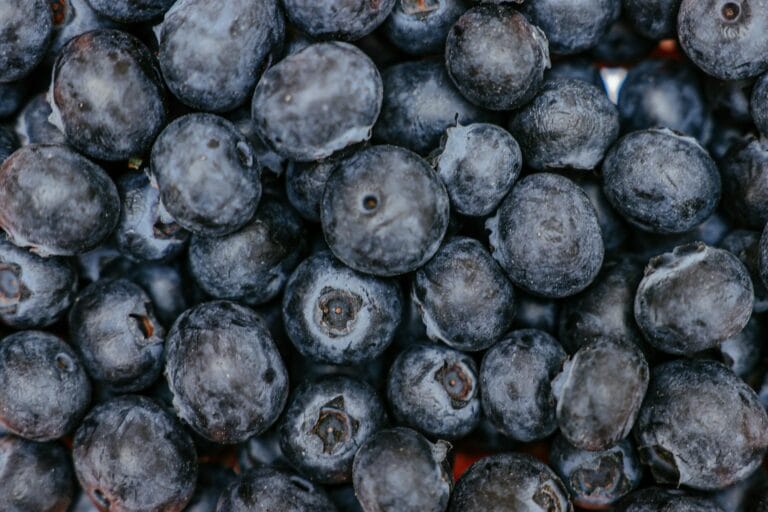
- Blueberries: Packed with anthocyanins, these berries help protect your brain and skin from oxidative damage. Throw a handful into your morning yogurt or oatmeal.
- Avocado: Rich in healthy monounsaturated fats and vitamin E, avocado supports skin elasticity and helps your body absorb fat-soluble nutrients from other foods.
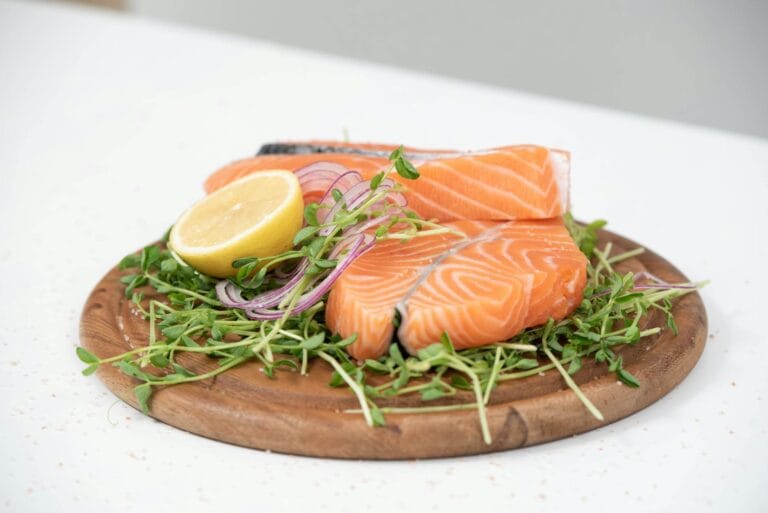
- Fatty fish (salmon, mackerel, sardines): High in omega-3 fatty acids, which reduce inflammation and keep your skin hydrated and supple. Aim for at least two servings per week.
- Leafy greens (spinach, kale, arugula): These are loaded with lutein, folate, and vitamin C, all of which support skin cell repair and protect against UV damage at the cellular level.
- Green tea: Contains a powerful antioxidant called EGCG (epigallocatechin gallate), which has been shown to protect skin from sun damage and may help slow cell aging.
- Walnuts: One of the few plant sources of omega-3s. They also contain vitamin E and polyphenols that support brain health and reduce inflammation.
- Tomatoes: Rich in lycopene, especially when cooked. Lycopene helps protect your skin against UV-induced damage and supports collagen integrity.
- Dark chocolate (70%+ cacao): Yes, chocolate made the list. Flavanols in dark chocolate improve skin hydration, blood flow to the skin, and may reduce roughness over time.
- Legumes (lentils, chickpeas, black beans): Excellent sources of plant protein and zinc, which plays a key role in skin repair and immune function.
- Olive oil: The cornerstone of the Mediterranean diet for good reason. Its oleocanthal compound has anti-inflammatory properties comparable to low doses of ibuprofen.
How to Actually Work These Foods Into a Busy Day
Knowing what to eat is step one. Making it happen consistently when you’re juggling a full schedule is the real challenge. I know from experience that good intentions fall apart fast when life gets hectic, so here’s a simple, repeatable approach that doesn’t require meal prepping every Sunday like it’s your second job.
- Upgrade your breakfast without overhauling it. Whatever you already eat in the morning, just add one anti-aging element. Pour blueberries over your cereal. Slice avocado onto your toast. Switch your regular tea to green tea. Small swaps compound over time without requiring any extra effort or willpower.
- Build a default lunch formula. Pick a leafy green base, add a lean or plant-based protein (canned salmon, chickpeas, boiled eggs), drizzle with olive oil and lemon, and you’ve got a nutrient-dense meal in five minutes flat. Having a repeatable formula removes decision fatigue and makes healthy eating feel almost automatic.
- Keep strategic snacks on hand. Most bad food decisions happen when you’re hungry and there’s nothing good nearby, many of us have been there at 3pm reaching for whatever’s closest. Stock your desk or bag with walnuts, dark chocolate squares, or individual packs of almonds. These satisfy cravings while delivering actual nutritional value.
- Make dinner the inflammation-fighting meal. This is where you want to focus on fatty fish, cooked tomatoes (think marinara or roasted tomatoes), and a side of sautéed leafy greens. Batch cook a big pot of lentil soup or a salmon sheet pan dinner at the start of the week so dinner on a Thursday doesn’t have to be a mental workout.
- Track consistency, not perfection. You don’t need to eat all ten of these foods every single day. Aim to include at least three to four of them across your daily meals. Over a week, that adds up to significant antioxidant and anti-inflammatory exposure without any drastic lifestyle change.
What to Reduce While You’re At It
You don’t need to eliminate anything, but it’s worth knowing which foods actively accelerate aging so you can make informed choices. Ultra-processed foods, refined sugars, and seed oils high in omega-6 fatty acids tend to increase inflammation in the body. Alcohol, consumed heavily and regularly, depletes skin-supporting nutrients like vitamin A and zinc. Sugary drinks, sodas, energy drinks, even sweetened coffee beverages, trigger a process called glycation, where sugar molecules bind to collagen fibers and make them stiff and brittle.
Again, this isn’t about being rigid. It’s about understanding the tradeoffs so you’re not unknowingly working against yourself. Eating an anti-aging diet 80% of the time while occasionally enjoying a slice of pizza or a glass of wine is a completely sustainable and realistic approach for most people.
The Collagen Connection
Collagen is the protein that keeps your skin firm, your joints comfortable, and your gut lining intact. Your body produces less of it as you age, but the right foods can both slow that decline and support your body’s own collagen synthesis. Vitamin C, found in bell peppers, citrus, kiwi, and broccoli, is essential for collagen production. Without adequate vitamin C, your body literally can’t build collagen properly. Zinc and copper, found in legumes, seeds, and shellfish, also play important supporting roles. Bone broth, while trendy, does contain collagen peptides that may offer modest skin benefits when consumed regularly, though whole-food nutrients are generally more impactful.
Frequently Asked Questions
How quickly will I notice results from eating anti-aging foods?
Most people start noticing subtle improvements in skin hydration and energy levels within four to six weeks of consistent dietary changes. Bigger changes, like improved skin texture or reduced puffiness, typically become more visible after three to six months. Cellular changes happen on a longer timeline, but they’re accumulating from day one.
Do I need to eat all of these foods every single day?
Not at all. Think of anti-aging nutrition as a weekly average rather than a daily checklist. Aim to rotate through a variety of these foods throughout the week. Consistency over weeks and months matters far more than hitting every item on any given day.
Are anti-aging supplements necessary if I’m already eating well?
For most people eating a reasonably varied diet, supplements fill gaps rather than replace whole foods. Vitamin D (especially if you work indoors) and omega-3s are among the most commonly deficient nutrients that may warrant supplementation. That said, whole foods provide a complex matrix of nutrients that work together in ways isolated supplements can’t fully replicate. Food first is always a solid rule of thumb.
Final Thoughts
The bottom line is that eating for longevity doesn’t have to be complicated, expensive, or joyless. The anti aging foods to eat daily that actually move the needle are accessible, versatile, and genuinely satisfying, we’re talking avocado, dark chocolate, salmon, and blueberries, not bland steamed vegetables and protein shakes. The real power lies in consistency. Eating a handful of walnuts today won’t change your life. Eating them three times a week for the next decade just might. Start with one or two small upgrades to your current meals, build from there, and let the cumulative effect do the work. Your future self will absolutely appreciate the effort you’re putting in right now.