
How To Improve Cardiovascular Health Naturally
If you’re looking for ways on how to improve cardiovascular health naturally, you’re already ahead of most people who wait until a doctor tells them to make a change. The good news is that your heart responds quickly to lifestyle shifts, sometimes within weeks, and you don’t need a gym membership or a strict diet plan to get started. Whether you’re a student pulling late nights or a professional juggling deadlines, these strategies are designed to fit into a real schedule, not an ideal one.
Why your heart health matters more than you think at 22-40
Most people assume heart disease is something to worry about after 50. But according to the American Heart Association’s 2023 Heart Disease and Stroke Statistics report, nearly 1 in 5 heart attack deaths in the United States occurs in adults under 40. That number has been climbing steadily since 2000. This isn’t meant to scare you, it’s meant to make the case that the habits you build right now are the ones that will define your cardiovascular health for decades.
The cardiovascular system includes your heart, arteries, veins, and capillaries. When this system is healthy, blood pressure stays in a normal range, cholesterol levels are balanced, inflammation stays low, and your energy levels are noticeably better. When it’s under stress, from poor sleep, a sedentary lifestyle, or a high-sodium diet, small problems accumulate silently until they become bigger ones.
The role of movement (and why “exercise” doesn’t have to mean the gym)
Aerobic activity is the most well-researched natural way to strengthen the heart muscle. When you elevate your heart rate for sustained periods, your heart becomes more efficient at pumping blood. Over time, your resting heart rate drops, your blood pressure improves, and your arteries become more flexible.
The target most cardiologists reference is 150 minutes of moderate aerobic activity per week. That breaks down to about 22 minutes a day, roughly the length of a sitcom episode without the credits. Here are ways to reach that without a structured workout routine:
- Walk briskly during your lunch break instead of eating at your desk
- Take stairs instead of elevators for any floor count under five
- Cycle to nearby errands instead of driving
- Use a standing desk for part of your workday to reduce sedentary time
- Try a 20-minute bodyweight circuit three times a week at home
The type of movement matters less than the consistency. A daily 25-minute walk done every single day beats a 90-minute gym session done once a week.
Foods that actively support heart function
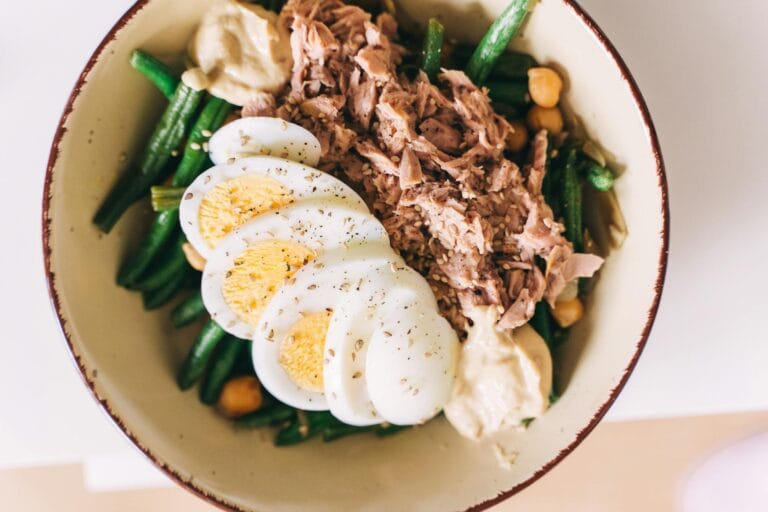
Nutrition for heart health isn’t about eliminating everything you enjoy. It’s about adding more of what supports your cardiovascular system so there’s less room for what doesn’t. A few specific foods have strong clinical backing:
- Fatty fish like salmon, sardines, and mackerel are high in omega-3 fatty acids, which lower triglycerides and reduce arterial inflammation
- Leafy greens such as spinach and kale are rich in nitrates, which help relax blood vessels and lower blood pressure
- Oats and legumes contain soluble fiber that binds to LDL cholesterol in the digestive tract and helps remove it before it enters the bloodstream
- Berries are packed with polyphenols that improve how the lining of blood vessels functions
- Olive oil, particularly extra virgin, contains oleocanthal, a compound with anti-inflammatory properties comparable to low-dose ibuprofen
One practical swap worth making immediately: replace refined carbohydrates at breakfast, like white toast or sugary cereal, with oats or eggs. That single change can lower fasting blood sugar and reduce inflammation markers within a few weeks.
How to build a heart-healthy routine in 5 steps
- Get a baseline check. Before making changes, know your numbers. Ask your doctor for a lipid panel, blood pressure reading, and fasting blood glucose. These three metrics give you a clear starting point and make it easier to track improvement over time.
- Start with 10 minutes of movement a day. If you’re currently sedentary, jumping straight to 150 minutes per week is unrealistic. Start with 10 minutes of brisk walking every morning. After two weeks, increase it to 20. Build from there. Small increases are sustainable; big jumps are not.
- Cut sodium before cutting fat. High sodium intake is one of the most direct dietary drivers of elevated blood pressure. The average American consumes about 3,400 mg of sodium per day, nearly 40 percent more than the recommended 2,300 mg. Start reading labels and identify your two or three highest-sodium foods. Reducing just those can make a measurable difference.
- Prioritize sleep with the same seriousness as diet. Sleep is when your heart rate and blood pressure drop to give the cardiovascular system a rest. Consistently sleeping fewer than six hours per night raises the risk of high blood pressure, coronary artery disease, and irregular heart rhythms. Set a consistent bedtime, keep your room cool, and avoid screens for at least 30 minutes before sleeping.
- Manage stress through physical output, not just mindfulness. Chronic stress raises cortisol, which in turn raises blood pressure and promotes inflammation in arteries. While breathing exercises and meditation have value, physical activity is actually the most efficient stress-processing mechanism the body has. Even a 15-minute walk after a stressful meeting measurably reduces cortisol levels.
The smoking and alcohol connection
If you smoke, quitting is the single highest-impact change you can make for cardiovascular health. Within 12 hours of stopping, carbon monoxide levels in the blood normalize. Within a year, the risk of coronary heart disease drops by half. No supplement, superfood, or exercise routine can compete with that rate of improvement.
Alcohol is more nuanced. Moderate consumption, defined as one drink per day for women and two for men, has a mixed record in research. However, evidence from a large-scale 2022 analysis published in JAMA Network Open found that even moderate drinking was associated with a 16 percent increase in cardiovascular events in people with pre-existing risk factors. If you’re managing blood pressure or cholesterol, reducing alcohol is a practical move worth considering.
Supplements worth knowing about
Supplements are not replacements for lifestyle changes, but some have real evidence behind them for cardiovascular support:
- Magnesium helps regulate blood pressure and supports heart rhythm; many adults are deficient without knowing it
- Coenzyme Q10 (CoQ10) supports energy production in heart muscle cells and may be worth discussing with a doctor if you’re on statin medication
- Omega-3 fish oil is useful if you don’t regularly eat fatty fish, with 1,000 mg EPA/DHA per day being a common clinical dose
- Vitamin D deficiency is linked to increased cardiovascular risk, and testing your levels costs very little
Always check with a healthcare provider before starting new supplements, especially if you take blood pressure medication or blood thinners.
Frequently Asked Questions
How long does it take to see improvements in cardiovascular health naturally?
It depends on where you start and which changes you make. Blood pressure can respond to dietary sodium reduction and regular walking within two to four weeks. Cholesterol improvements from dietary changes typically show up in a six-week lipid panel. Resting heart rate improvements from consistent aerobic exercise usually appear within four to eight weeks of regular training.
Can stress alone damage your heart even if your diet and exercise are good?
Yes. Chronic psychological stress triggers sustained cortisol and adrenaline release, which raises blood pressure, promotes inflammation in arterial walls, and can disrupt heart rhythm over time. Research published in The Lancet in 2017 identified activity in the amygdala, the brain’s stress center, as a direct predictor of cardiovascular events, independent of other risk factors. Managing stress is not optional for heart health; it’s part of the foundation.
Is it safe to start exercising if you’ve been sedentary for years?
For most healthy adults under 40 without known heart conditions, starting with low-intensity activity like walking, cycling, or swimming is safe without prior medical clearance. If you have existing risk factors, family history of early heart disease, high blood pressure, diabetes, or obesity, get a basic checkup first. A physician can help you identify whether a graded exercise test makes sense before you increase intensity.
Final thoughts
Improving cardiovascular health naturally is less about perfection and more about consistent small actions that compound over time. You don’t need to overhaul your entire life in a week. Pick one change from this article, whether that’s adding a daily 20-minute walk, swapping one high-sodium meal, or finally getting your blood pressure checked, and stick with it for 30 days before adding the next. According to a 2010 study published in the European Journal of Social Psychology, habits form in an average of 66 days, not 21 as is commonly cited, so give yourself real time to build. Start with your resting heart rate: measure it today, write it down, and use it as your personal benchmark for progress over the next three months.