
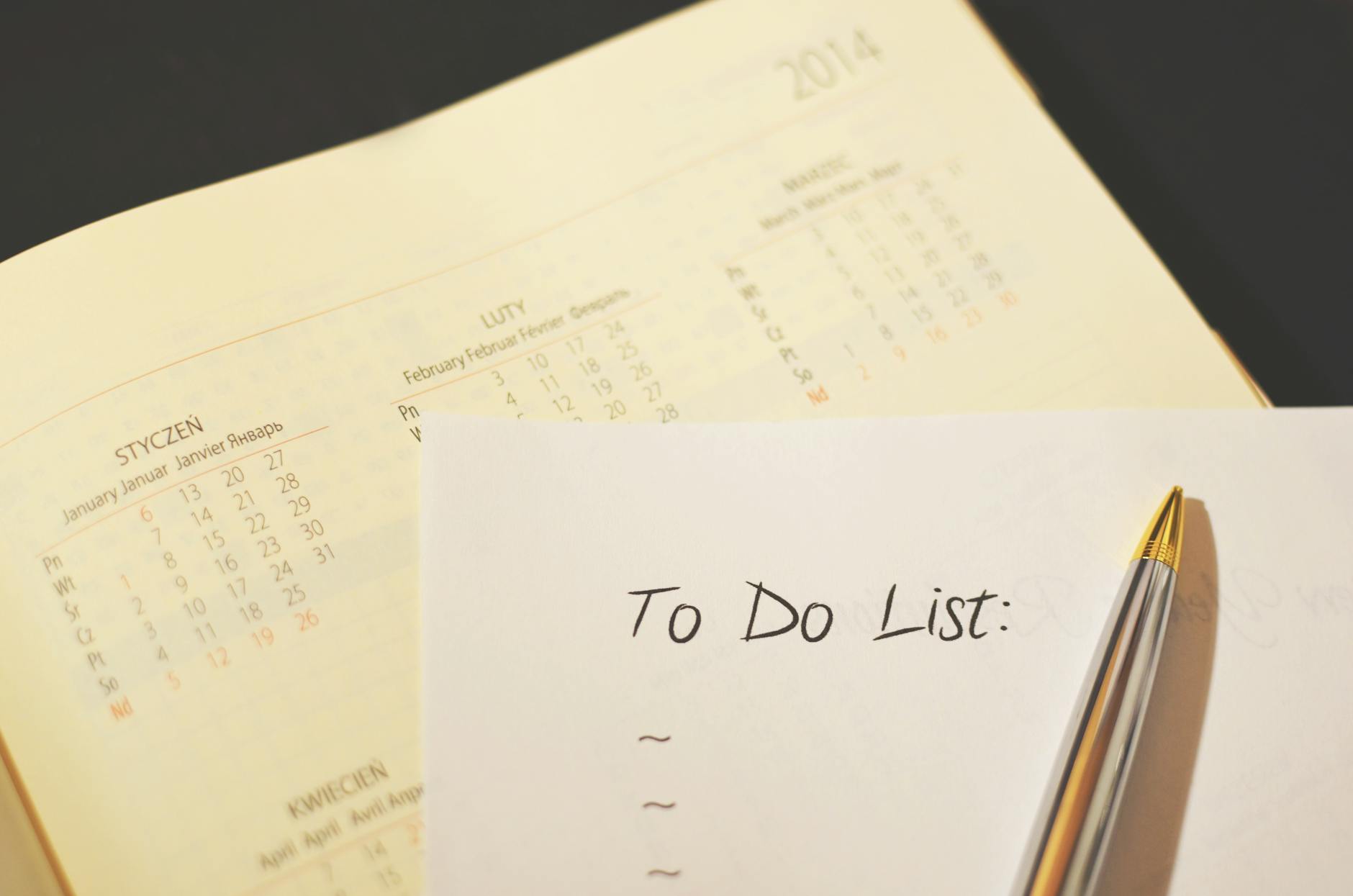
Best Ways To Organize Your Day
If you’re looking for the best ways to organize your day, you’re already ahead of most people who just wing it and wonder why they feel exhausted by 3pm. Organizing your day isn’t about squeezing more tasks into every hour — it’s about making deliberate choices so your energy goes where it actually matters. Whether you’re a student juggling deadlines or a professional managing back-to-back meetings, a structured day feels less like a grind and more like something you actually control.
Why most people feel disorganized (and it’s not laziness)
Most people don’t lack motivation — they lack a system. Without a clear structure, your brain spends a surprising amount of energy just deciding what to do next. This is called decision fatigue, and it’s well documented. According to a 2021 study published in the journal Frontiers in Psychology, repeated decision-making across a day measurably reduces cognitive performance and increases the likelihood of impulsive, low-quality choices by the afternoon. When your day has no skeleton, every small task becomes its own negotiation — and that adds up fast.
The fix isn’t a color-coded planner you abandon by Wednesday. It’s a lightweight daily structure that fits around how you actually work, not how a productivity influencer tells you to work.
Start with a weekly review, not a daily one
Most productivity advice jumps straight to morning routines, but the most effective daily organization starts the night before — or better, at the end of each week. Spending 15 minutes on Sunday (or Friday afternoon) to look at the week ahead reduces the mental load you carry into Monday.
During your weekly review, ask yourself three things:
- What are the two or three outcomes that would make this week feel successful?
- Are there any appointments, deadlines, or commitments I need to block time for?
- Is there anything on last week’s list that still needs a home this week?
This short habit means your daily planning sessions are much faster because the big picture is already sorted.
How to organize your day step by step
This is the practical part. These steps work whether you use a paper planner, a digital calendar, or just a notes app on your phone. The tool doesn’t matter much — the habit does.
- Do a brain dump first thing. Before you open email or social media, spend five minutes writing down everything on your mind — tasks, worries, reminders, random ideas. This clears working memory and gives you a real list to work from instead of a vague mental fog.
- Identify your top three priorities. From your brain dump and any pre-planned commitments, pick the three tasks that matter most today. Not ten, not seven — three. These are the tasks that move your work or life forward in a meaningful way. Everything else is secondary.
- Time-block your calendar. Assign specific time slots to your top three tasks before you fill in anything else. Treat these blocks like meetings you can’t cancel. If a task needs 90 minutes of focused work, block 90 minutes and protect it. Email, messages, and small tasks get scheduled around these blocks, not the other way around.
- Batch similar tasks together. Replying to emails, making phone calls, and reviewing documents all require a similar mental mode. Grouping them into one block — say, 11am to 11:30am — is far more efficient than scattering them across the day. Every time you switch between task types, your brain needs a few minutes to refocus. Batching cuts that switching cost significantly.
- Build in a buffer. Most people schedule their day at 100% capacity, which means any interruption derails everything. Leave at least 30 minutes of unscheduled time in your day — ideally mid-afternoon — to handle unexpected tasks, recover from overruns, or just breathe. Days that have no buffer feel chaotic even when they’re technically organized.
- Do a short end-of-day review. At the end of your workday, spend five minutes closing the loop. Mark what’s done, move unfinished tasks to a future date, and jot down your top three for tomorrow. This prevents that nagging feeling at 10pm that you’ve forgotten something important.
The time-blocking mistake most people make
Time-blocking is one of the most recommended productivity strategies, but a lot of people do it wrong. They block time for tasks but don’t account for energy levels. Your brain is not a machine that performs identically at 8am and 4pm.
Research on circadian rhythms consistently shows that most people experience a peak in alertness and focus in the late morning — roughly between 9am and noon. A secondary peak often occurs in the early evening. The post-lunch dip between 1pm and 3pm is real and physiological, not a personal weakness.
Use this knowledge when placing your time blocks. Put your hardest, most cognitively demanding tasks in your morning peak window. Save your email batches, administrative work, and routine tasks for the early afternoon. If you have creative work, test whether you do it better in the morning peak or the evening secondary window — this varies more between individuals than the morning focus block does.
Simple tools that actually help
You don’t need to spend money or learn complex software to organize your day well. Here are a few tools worth knowing about:
- A plain text or notes app. For your brain dump and daily task list, a notes app or even a piece of paper works perfectly. The Reminders app on iPhone or Google Keep on Android are free and take seconds to open.
- Google Calendar or Outlook. For time-blocking, a calendar app is the most practical option because it shows you the shape of your day visually and syncs with meetings automatically.
- A physical planner. Some people retain plans better when they write them by hand. If that’s you, a weekly planner with hourly columns is worth the few dollars it costs. There’s no meaningful productivity difference between paper and digital — use what you’ll actually look at.
- A timer. Whether it’s the Pomodoro method (25 minutes on, 5 minutes off) or your own custom intervals, a simple timer prevents the common problem of underestimating how long tasks take. The timer creates a concrete start and end, which makes procrastination harder to justify.
What to do when the day goes sideways
Even a well-organized day gets interrupted. A meeting runs long, an urgent request lands in your inbox, someone needs your help. This is normal, not a failure of your system.
When your day gets derailed, do a quick reset instead of abandoning the structure entirely. Ask yourself: given the time I have left today, what is the one most important thing I can still complete? Finish that one thing. Tomorrow, review what got bumped and decide whether it still deserves a spot on your list or whether it can be delegated or dropped.
The goal of day organization is not a perfect day — it’s a recoverable one.
Frequently Asked Questions
How long does it take to build a daily organization habit?
Research from University College London suggests that habit formation takes an average of 66 days, though this varies widely by person and complexity of the habit. For something as simple as a five-minute morning planning session, most people start seeing it become automatic within three to four weeks of consistent practice. Start with just one element — like the brain dump — before layering in the rest.
Is it better to plan your day in the morning or the night before?
Either works, but planning the night before has one meaningful advantage: it allows your brain to begin processing priorities during sleep, which some researchers call “implementation intention” — the unconscious preparation for upcoming tasks. Morning planning works well too, especially if your evenings are unpredictable. The most important thing is that planning happens consistently, not when it happens.
What if I have a job where tasks are unpredictable and I can’t control my schedule?
Time-blocking still helps even in reactive jobs, but you apply it differently. Instead of blocking specific tasks, block categories of time — for example, reserve 9am to 10am for proactive work before the day gets reactive. Even 45 minutes of protected focus time each morning creates meaningful output over a week. You can also block time at the end of the day to process what came in, so you’re not constantly triaging in real time.
Final Thoughts
Organizing your day well is less about willpower and more about building a structure that reduces the number of decisions you have to make under pressure. Start small — even just identifying your top three priorities each morning and protecting one focused time block will produce a noticeable difference within two weeks. If you want a concrete starting point, try the six-step process above for five consecutive workdays and track which tasks actually get completed versus which ones keep getting pushed. That data alone will tell you more about your real priorities than any personality test or productivity book.