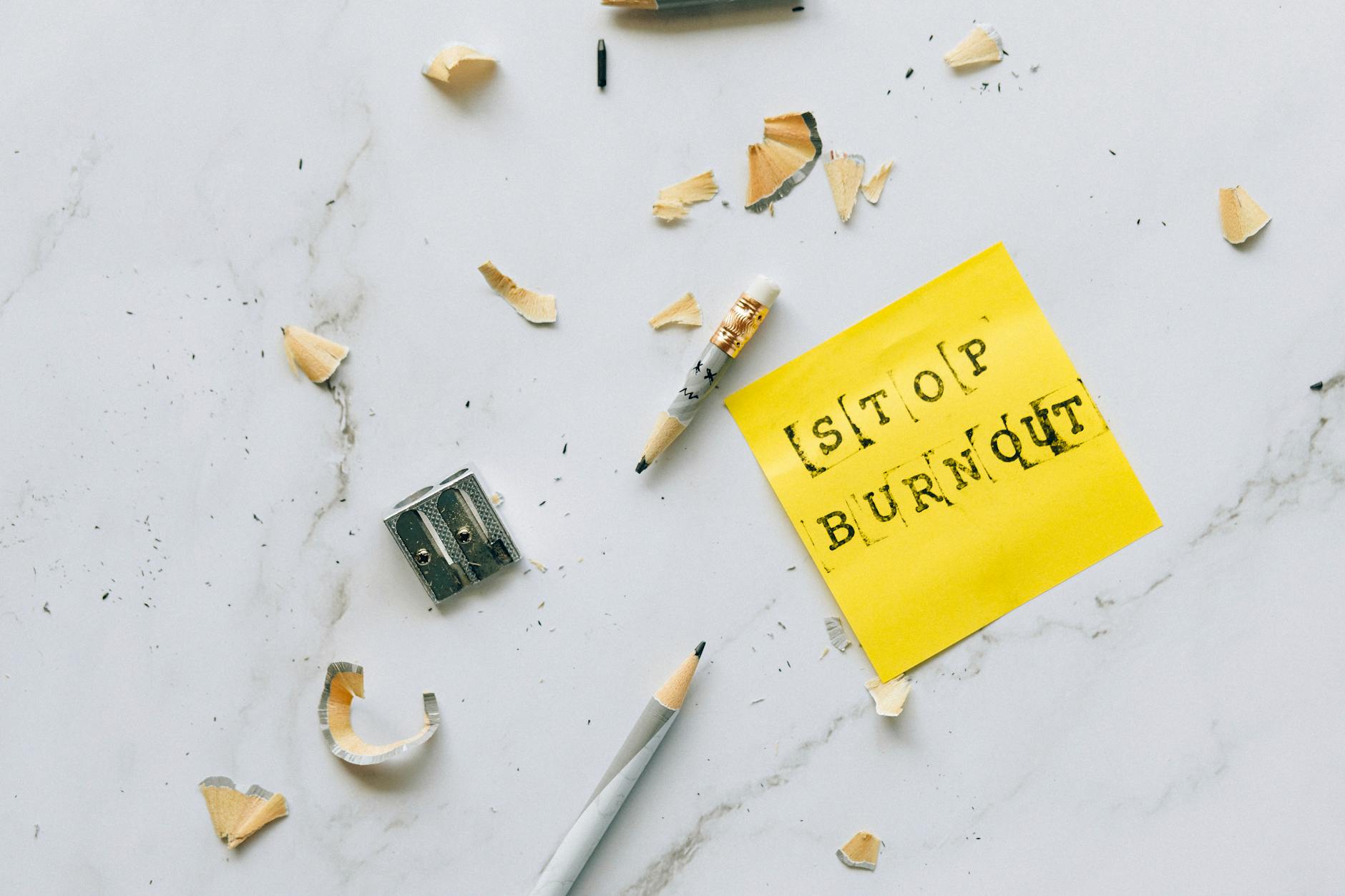
Signs Of Social Burnout
If you’ve been canceling plans more than usual, staring at your phone and dreading group chats, or feeling oddly exhausted after perfectly normal social interactions, you may already be experiencing the signs of social burnout. It’s not the same as being introverted, and it doesn’t mean something is wrong with you. It’s a real, measurable state of depletion that affects how you connect with others, and it’s more common among professionals and students than most people realize.
What social burnout actually is
Social burnout happens when the energy you spend on maintaining relationships, attending social events, or simply being “on” around other people exceeds what you’re able to recover. Think of your social battery as a real resource with a real limit. Unlike ordinary tiredness, social burnout doesn’t go away after one good night of sleep. It accumulates over weeks or months of overcommitment, people-pleasing, or simply not having enough downtime to recharge.
It’s worth distinguishing this from introversion. An introvert naturally needs more alone time to feel energized, but social burnout can hit extroverts just as hard. If an extrovert who normally loves socializing starts feeling drained by the very activities they used to enjoy, that’s a signal worth paying attention to.
The most common signs of social burnout
Recognizing these signs early gives you a window to make small adjustments before things escalate. Here’s what to watch for:
- You feel relieved when plans get canceled, even ones you originally looked forward to
- Replying to messages feels like a chore, and you let conversations go unanswered for days
- After socializing, you feel more drained than refreshed, regardless of how enjoyable the event was
- You’re more irritable around people who normally don’t bother you
- You go through the motions in conversations without actually being present
- You feel guilty for wanting to be alone, which only adds to the exhaustion
- Small talk, even with people you like, feels mentally taxing
- You find yourself avoiding calls or spontaneous social situations more than usual
Not every sign will apply to everyone. Some people experience two or three of these intensely; others recognize a gradual creep of all of them over time. Either pattern matters.
Why it happens: the science behind it
Social interaction requires cognitive effort. You’re tracking conversational cues, managing impressions, regulating emotions, and maintaining attention all at once. According to a 2022 study published in the journal PLOS ONE, social interactions consume a significant portion of executive function resources, and when those resources are depleted repeatedly without adequate recovery time, the brain starts treating social situations as threats rather than rewards.
The prefrontal cortex, which handles decision-making and emotional regulation, becomes less active under conditions of chronic stress and overextension. This is why, when you’re socially burned out, even low-stakes social situations can feel overwhelming. Your brain is essentially running on a backup battery, and it’s prioritizing survival functions over connection.
Work culture plays a role too. Open-plan offices, constant Slack notifications, back-to-back video calls, and after-work networking expectations mean that many professionals never actually get a break from performing socially. For students, it’s group projects, dormitory living, and social media pressure. The lines between “on” and “off” have blurred in ways that make sustained recovery difficult.
How to recover from social burnout: a practical approach
Recovery isn’t about permanently withdrawing from people. It’s about strategically reducing the drain while protecting your relationships. Here’s a step-by-step approach that actually works:
- Audit your social obligations. Write down every recurring social commitment you have in a week, including work events, friend hangouts, family obligations, and digital communication. Not to judge them, but to see the total load clearly. Most people are surprised by how much they’re carrying without realizing it.
- Identify what drains versus restores. Not all social contact is equal. Some interactions leave you energized; others consistently leave you flat. Start noticing which is which. You don’t need to cut the draining ones entirely, but knowing where your energy goes helps you plan recovery time around them.
- Schedule deliberate recovery time. Treat it like a meeting you won’t cancel. Even 30 minutes of genuinely unstructured alone time, no phone, no content consumption, no productivity, can help your nervous system reset. A 2021 paper in Psychological Science found that mind-wandering and unscheduled rest are associated with improved mood and reduced feelings of social fatigue.
- Communicate without over-explaining. You don’t owe people a detailed justification for needing space. “I need a quieter week, can we reschedule?” is a complete sentence. Most reasonable people will understand, and the ones who don’t are worth noting.
- Reduce asynchronous social load. Group chats, comment threads, and social media notifications create a low-grade hum of social obligation that never really turns off. Muting non-essential group chats and batching your responses to messages at set times of day can significantly reduce this background drain.
- Re-enter social life at a lower volume. Once you’ve had some recovery time, resist the temptation to overcompensate by stacking plans. Choose one or two interactions you genuinely want, and let that be enough for a while.
When it’s more than just burnout
Social burnout is a real condition, but it can sometimes overlap with or mask other issues like depression, anxiety disorders, or chronic stress responses. If your withdrawal from social life has lasted more than a few weeks, if you’re losing interest in things beyond socializing, or if you’re feeling hopeless rather than simply tired, it’s worth speaking with a mental health professional. Social burnout responds well to rest and boundary-setting. Depression typically needs more structured support.
The distinction matters because the interventions are different. Pushing yourself to socialize when burned out can help once you’ve had some rest. Pushing yourself to socialize when depressed, without addressing the underlying condition, usually doesn’t.
Protecting yourself before you hit the wall
Prevention is genuinely easier than recovery here. A few habits that help:
- Build non-negotiable alone time into your weekly schedule before your calendar fills up
- Learn to recognize your early warning signs, the ones specific to you, not a generic list
- Practice saying no to optional social events without treating it as a personal failure
- Be honest with close friends about needing occasional low-key interactions instead of always being “on”
- Protect at least one evening per week where you have no social plans of any kind
The goal isn’t to become a hermit. It’s to treat your social energy as a finite resource that deserves the same respect you’d give your physical health or your sleep.
Frequently Asked Questions
Is social burnout the same as being an introvert?
No. Introversion is a personality trait that describes how you naturally process social stimulation. Social burnout is a temporary state of depletion that can affect anyone, introverted or extroverted, when they’ve spent more social energy than they’ve recovered. An extrovert who has been chronically overscheduled can become socially burned out, while an introvert with healthy boundaries and enough downtime may rarely experience it.
How long does it take to recover from social burnout?
It depends on how long it’s been building and how much relief you’re able to give yourself. For mild cases, a week of deliberately lighter social activity can make a noticeable difference. For burnout that has accumulated over months, recovery might take several weeks of consistent boundary-setting, better sleep, and reduced social load. There’s no universal timeline, but most people notice improvement within two to four weeks when they take it seriously.
Can social burnout affect your physical health?
Yes. Chronic social exhaustion is linked to elevated cortisol levels, disrupted sleep, and lowered immune function. A 2020 review published in Neuroscience and Biobehavioral Reviews found that prolonged social stress activates the same physiological stress pathways as other forms of chronic stress, which over time can contribute to inflammation and fatigue. The physical symptoms are real, not imagined.
Final Thoughts
Social burnout is something a lot of people push through quietly, assuming they just need to try harder or be less sensitive. But the research is clear: social energy is a biological resource, not a character trait. Recognizing the signs early, adjusting your load, and scheduling real recovery time aren’t signs of weakness. They’re practical maintenance. If you want a concrete place to start today, pick one recurring social commitment this week that you can shorten, skip, or swap for something lower-effort, and notice how you feel by the end of the week.