
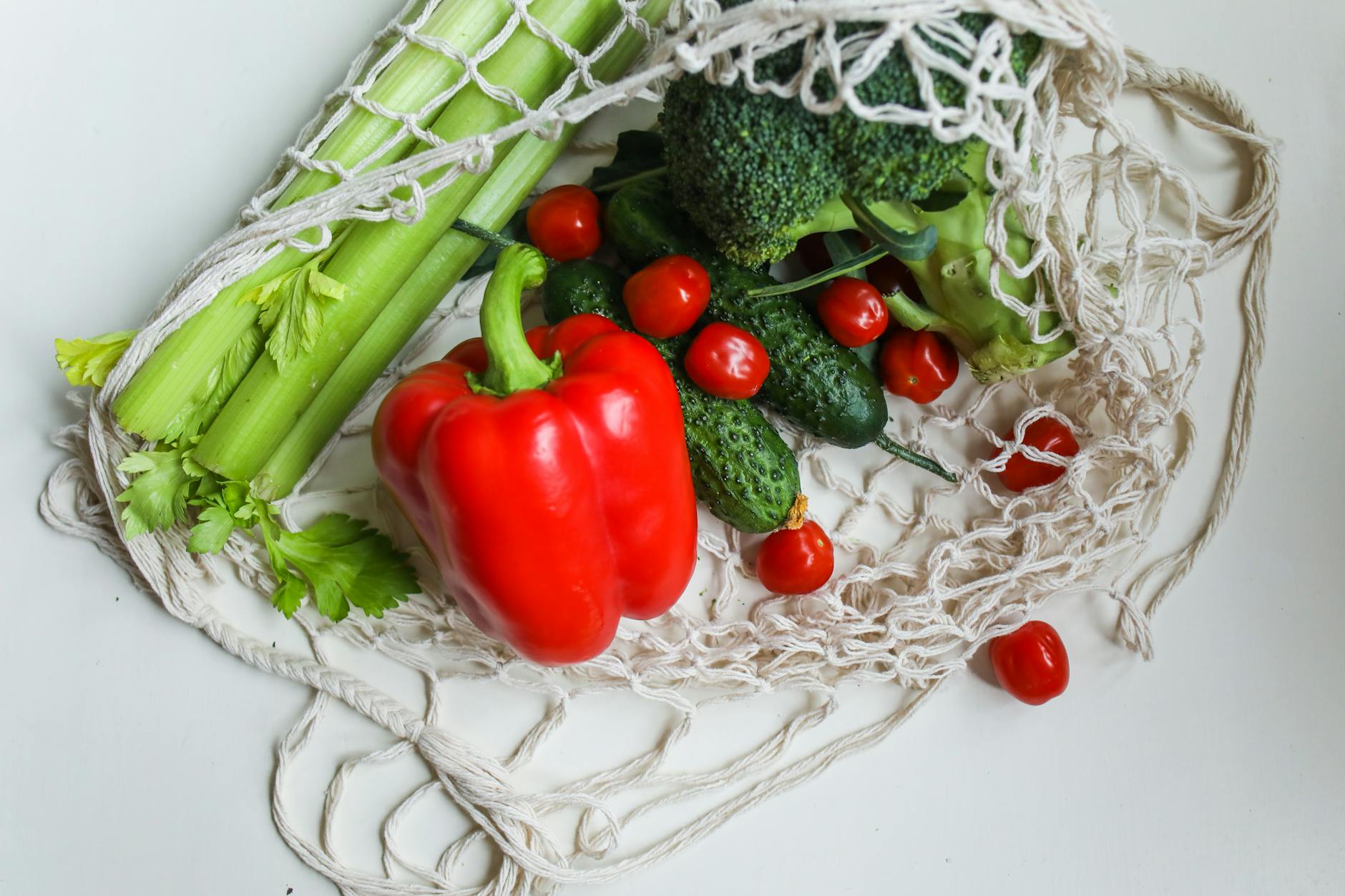
Anti Inflammatory Foods To Eat Daily
I’ve spent a lot of time researching what actually moves the needle on long-term health, and honestly, this topic keeps coming back to the same simple truth, what you eat every day matters more than most of us realize. If you’ve been looking for anti inflammatory foods to eat daily, you’re already ahead of most people when it comes to managing long-term health. Chronic inflammation is quietly linked to everything from brain fog and joint pain to heart disease and digestive issues, and the good news is that your fork is one of the most powerful tools you have against it. No expensive supplements required. Just real, accessible food choices you can make starting today.
What Is Chronic Inflammation, and Why Should You Care?
Inflammation itself isn’t the enemy. When you cut your finger or fight off a cold, acute inflammation is your immune system doing exactly what it’s supposed to do. The problem is chronic, low-grade inflammation, the kind that simmers in the background for months or years without you even realizing it’s there.
According to the National Institutes of Health, chronic inflammatory diseases are the most significant cause of death in the world, with more than 50% of all deaths being attributable to inflammation-related diseases such as heart disease, stroke, cancer, and diabetes. That number is sobering, but it also puts a lot of power in your hands. Diet is one of the most evidence-backed levers you can pull to keep that background inflammation under control.
For busy professionals and students juggling deadlines, commutes, and screen time, this isn’t about overhauling your entire lifestyle overnight. It’s about knowing which foods consistently work in your favor and weaving them into what you’re already eating. Small, doable shifts. That’s it.
The Core Anti-Inflammatory Foods Worth Eating Every Day
You don’t need a specialty grocery store or a three-hour meal prep session to eat anti-inflammatory. Most of these foods are affordable, widely available, and genuinely delicious when prepared well.
- Fatty Fish (Salmon, Sardines, Mackerel): Rich in omega-3 fatty acids, particularly EPA and DHA, fatty fish are among the most well-researched anti-inflammatory foods available. These omega-3s directly inhibit the production of inflammatory compounds like prostaglandins and cytokines. Aim for at least two servings a week, but a small portion daily works great too.
- Leafy Greens (Spinach, Kale, Swiss Chard): Packed with antioxidants like vitamins C and E, plus polyphenols, leafy greens help neutralize free radicals that drive cellular inflammation. Tossing a handful of spinach into a smoothie or eggs takes about thirty seconds and makes a meaningful difference.
- Berries (Blueberries, Strawberries, Raspberries): Berries are loaded with anthocyanins, plant pigments with strong anti-inflammatory effects. Studies consistently show that regular berry consumption lowers markers like C-reactive protein (CRP). A cup on your oatmeal or yogurt in the morning is genuinely one of the easiest wins in nutrition.
- Extra Virgin Olive Oil: The cornerstone of the Mediterranean diet, extra virgin olive oil contains oleocanthal, a compound that works similarly to ibuprofen in blocking inflammatory enzymes. Use it as your primary cooking fat and in salad dressings.
- Turmeric: The curcumin in turmeric has been studied extensively for its anti-inflammatory properties. It’s most effective when paired with black pepper, which dramatically increases absorption. A golden latte, curry, or even a pinch in scrambled eggs can make this a regular part of your day.
- Nuts (Walnuts, Almonds): Walnuts in particular are high in ALA omega-3 fatty acids and vitamin E. A small handful as a snack is both satisfying and consistently linked to lower inflammation markers in clinical research.
- Green Tea: EGCG, the main catechin in green tea, has been shown to suppress inflammatory signaling pathways. Swapping one of your daily coffees for green tea is a small shift with a measurable impact over time.
- Avocado: High in monounsaturated fats, potassium, and various plant compounds, avocados have been shown to reduce inflammatory markers in studies. Half an avocado on toast or in a salad is a practical daily addition.
- Dark Chocolate (70%+ Cacao): Yes, chocolate makes the list. The flavonoids in dark chocolate reduce oxidative stress and inflammation. One or two squares of high-quality dark chocolate a day is a genuinely pleasant way to support your health.
- Tomatoes: Lycopene, the compound that makes tomatoes red, is a potent antioxidant with anti-inflammatory properties. Cooked tomatoes actually provide more bioavailable lycopene than raw ones, so pasta sauce, soups, and roasted tomatoes count.
How to Actually Build These Into a Busy Day
Knowing which foods help is one thing. Making them a realistic part of your day when you’re running between meetings or trying to finish a project is another thing entirely. I know from experience that the best eating plan is the one that actually fits your real life, not some idealized version of it. Here’s a simple, practical approach to building an anti-inflammatory eating pattern without spending extra time or money.
- Anchor your morning with two anti-inflammatory foods. Start with a base like Greek yogurt or oatmeal, then add blueberries and a drizzle of honey or a sprinkle of turmeric and black pepper. You’ve covered multiple bases before 9am with minimal effort.
- Swap your cooking oil. Replace vegetable oil or butter with extra virgin olive oil for everyday cooking. This is a one-time habit shift that quietly improves your diet every single day without requiring any new meals.
- Add a green to every main meal. Not a salad, just a handful. Spinach wilted into pasta, kale blended into a smoothie, arugula tossed onto a pizza. You don’t need to build a whole new meal around it.
- Keep a nut or berry snack at your desk or in your bag. When 3pm hunger hits and the vending machine starts calling, having walnuts or dried blueberries nearby changes your default choice. Preparation beats willpower every time.
- Use fatty fish as your easy weeknight protein. Canned salmon and sardines are inexpensive and ready in minutes. A salmon patty or sardines on whole grain crackers takes less time than ordering delivery and covers your omega-3s for the day.
- Drink green tea in the afternoon. Replace one coffee or sugary drink with a cup of green tea. The moderate caffeine gives you a gentle lift while the catechins work quietly in the background.
- End dinner with a square of dark chocolate. Having something genuinely satisfying at the end of a meal reduces the urge to reach for highly processed snacks later. It also means you actually enjoy this whole process, which is what makes it stick.
Foods That Work Against You (Worth Knowing)
You can’t fully appreciate anti-inflammatory eating without a quick note on what tends to ramp up inflammation. Ultra-processed foods, refined carbohydrates, vegetable oils high in omega-6s, and excess sugar are the main drivers of dietary inflammation. You don’t need to eliminate them entirely, but if most of your meals are built around them, the anti-inflammatory foods you add won’t fully compensate.
Think of it as a balance sheet. The more consistently you add foods that work for you, and the less frequently you default to foods that work against you, the better your body handles inflammation over time. This isn’t about perfection. It’s about building a pattern that tilts steadily in your favor.
A Realistic Weekly Pattern to Aim For
Rather than tracking every meal, think about hitting certain markers across the week. Try for fatty fish two to three times, berries most mornings, leafy greens at least once per day, olive oil as your default fat, and nuts or dark chocolate as your go-to snacks. If you hit those consistently, you’re doing more for your long-term inflammation levels than most people ever manage.
The Mediterranean diet, which centers on most of these exact foods, has decades of research behind it showing reductions in heart disease, cognitive decline, and systemic inflammation. You don’t need to follow it rigidly. Just borrow its framework and adapt it to your taste preferences and lifestyle. Many of us have felt overwhelmed trying to follow some perfect dietary template, and that pressure usually backfires. Keep it flexible and it’ll actually last.
Frequently Asked Questions
How quickly do anti-inflammatory foods make a difference?
Some changes, like reduced bloating or better digestion, can happen within days of shifting your diet. More meaningful changes in inflammation markers like CRP typically show up within four to eight weeks of consistent eating patterns. Think of it as a long-term investment rather than a quick fix, the results compound over time.
Can I still drink coffee if I want to eat anti-inflammatory?
Absolutely. Coffee is actually one of the most antioxidant-rich beverages in the average person’s diet and has been linked to lower inflammation in several studies. The issue arises when coffee becomes a vehicle for a lot of added sugar and flavored syrups. Plain coffee or coffee with a splash of milk is completely compatible with an anti-inflammatory approach.
Do I need supplements like fish oil if I’m eating these foods?
If you’re eating fatty fish two to three times a week, getting a variety of colorful vegetables, and using olive oil regularly, you’re covering most of your bases through food. Supplements can be helpful if you have specific deficiencies or strong dietary restrictions, but they’re not a replacement for whole foods. Talk to your doctor before adding any new supplement, especially if you take medications.
Final Thoughts
The bottom line is, eating to reduce inflammation doesn’t have to be complicated, expensive, or joyless. The foods on this list are genuinely good, satisfying, flavorful, and the kind of thing you can look forward to eating. The real power here is consistency over perfection. A handful of blueberries every morning, some olive oil in your cooking, a piece of salmon twice a week, small choices that stack up into something meaningful over months and years. Your future self will thank you for starting now, even if you start with just one swap today.
Related Articles
- Gut Health Tips For Beginners
- Best Foods For Brain Health And Focus
- How To Reduce Sugar Cravings Naturally