
Panic attacks feel like your body is betraying you. Your heart races, your chest tightens, and your mind spins with worst-case scenarios. But here's the truth: you can learn how to stop panic attacks before they spiral.
Thousands of people experience panic attacks every day, yet most feel completely alone in that moment. The good news is that panic attacks are manageable, and there are real, science-backed techniques you can use right now.
This article will show you exactly what's happening in your body, why panic attacks start, and five powerful ways to regain control when panic tries to take over.
Panic attacks are intense but manageable. You can learn how to stop panic attacks using grounding techniques, breathing exercises, and cognitive control methods. When panic hits, your body is safe even though your mind feels threatened.
What Is a Panic Attack and Why Your Body Reacts This Way
A panic attack is your nervous system in overdrive, triggering a fight-flight-freeze response even when there's no real danger. Your amygdala (the brain's alarm system) misfires, flooding your bloodstream with adrenaline and cortisol. This happens to roughly 3-4% of people regularly, making panic attacks more common than you might think.
What actually happens during a panic attack:
- Your heart rate spikes to 100+ beats per minute
- Blood rushes away from your digestive system (causing nausea)
- Your breathing becomes shallow and rapid
- Your muscles tense, preparing for danger that isn't there
- Tunnel vision and dizziness occur from hyperventilation
- A sense of unreality or detachment sets in
The key thing to understand: panic attacks peak within 10 minutes and naturally subside. Your body is not in danger. Your mind is just misfiring the alarm. Once you truly believe this, you've already won half the battle.

What Are the Real Signs and Symptoms of a Panic Attack
Panic symptoms are physical and psychological, and recognizing them early is half the battle. Most panic attacks include at least four of these signs, and they come on suddenly without warning. The physical symptoms often feel like a heart attack, which is why panic sufferers often rush to the ER.
Physical signs you're having a panic attack:
- Chest pain or tightness that feels crushing
- Shortness of breath or hyperventilation
- Dizziness, lightheadedness, or vertigo
- Trembling or shaking in your hands and legs
- Hot flashes or chills down your spine
- Numbness or tingling in your extremities
- Nausea or stomach pain
- Feeling like you're choking or your throat is closing
Mental and emotional signs:
- Overwhelming sense of dread or impending doom
- Fear that you're dying or having a heart attack
- Fear that you're losing control or going crazy
- Feeling detached from reality (depersonalization)
- Feeling like your surroundings aren't real (derealization)
If you're experiencing these symptoms, get checked by a doctor first to rule out medical conditions. Once your heart is medically clear, you can confidently use the techniques below knowing your panic is psychological, not physical.
Why Do Panic Attacks Happen and What Triggers Them
Panic attacks rarely come from nowhere. They develop through a pattern: a trigger activates your threat detection system, your mind interprets normal sensations as danger, and then your nervous system launches into fight-flight mode. Understanding your personal triggers is essential to preventing future attacks.
Common panic attack triggers include:
- Stress from work, relationships, or major life changes
- Caffeine, which mimics panic symptoms (racing heart, jitteriness)
- Sleep deprivation that leaves your nervous system depleted
- Past traumatic experiences that create hypervigilance
- Health anxiety or fear of having a serious illness
- Crowded places or situations where escape feels impossible
- Anticipatory anxiety (worrying about having another panic attack)
- Hormonal changes (PMS, perimenopause, or thyroid issues)
The sneaky part: once you have one panic attack, you can develop anticipatory anxiety about the next one. Your mind becomes hypervigilant, scanning for danger, which actually creates more panic. This is where panic attack control techniques become crucial.
If you're struggling with recurring panic, check out our guide on how to deal with anxiety daily for a realistic recovery plan that works long-term.
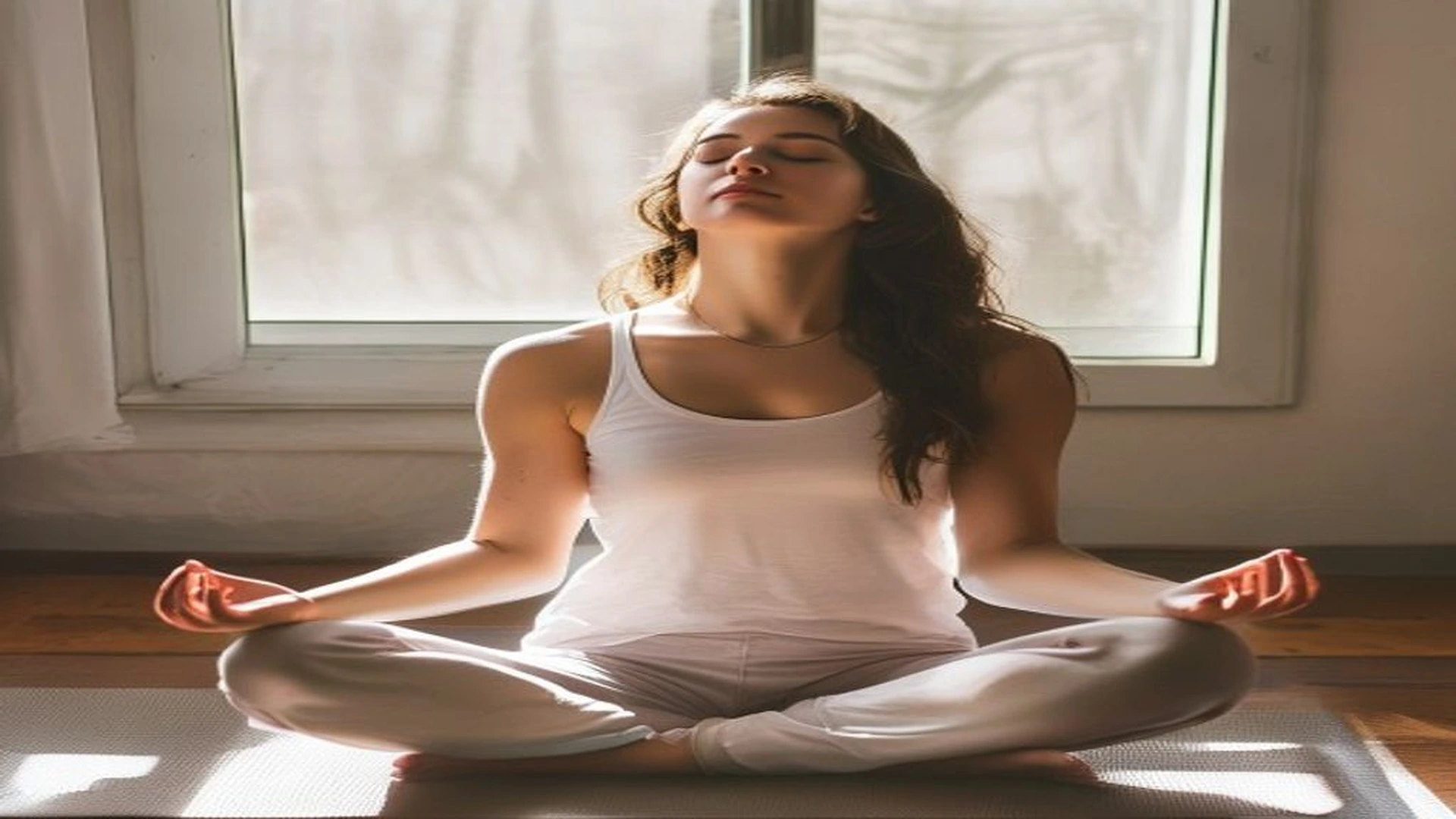
How to Stop a Panic Attack: 5 Proven Panic Attack Control Techniques
When panic strikes, you need immediate tools that work right then and there. These five techniques are grounded in neuroscience and used by therapists and anxiety specialists worldwide. The goal is to interrupt your nervous system's panic cycle and remind your body that you're safe.
Technique 1: The 5-4-3-2-1 Grounding Method (Sensory Awareness)
This technique pulls your brain out of threat mode by anchoring it to the present moment. When you're panicking, your mind is stuck in "what if" scenarios. Grounding forces it into "what is" reality.
- Notice 5 things you can see (colors, textures, shapes)
- Notice 4 things you can physically touch (your chair, your skin, your phone)
- Notice 3 things you can hear (background noise, voices, silence)
- Notice 2 things you can smell (perfume, coffee, air)
- Notice 1 thing you can taste (gum, toothpaste, your mouth)
Why it works: Panic lives in your future mind. Grounding anchors you to your present senses, which cannot lie. Your five senses are always in safety right now.
Technique 2: Box Breathing (4-4-4-4 Pattern)
Hyperventilation during panic makes everything worse. Box breathing forces your nervous system to slow down by controlling your breath.
- Inhale slowly for 4 counts
- Hold your breath for 4 counts
- Exhale slowly for 4 counts
- Hold empty for 4 counts
- Repeat 5-10 times until your heart rate drops
Why it works: When you extend your exhale, you activate your parasympathetic nervous system (your body's "calm down" button). This directly counteracts adrenaline.
Technique 3: Progressive Muscle Relaxation (PMR)
Panic floods your muscles with tension. PMR teaches your body to release that tension consciously.
- Tense your feet for 5 seconds, then release
- Tense your calves, hold 5 seconds, release
- Work your way up: thighs, glutes, abdomen, chest, arms, neck, face
- Hold each muscle group tight, then consciously relax it
Why it works: Your muscles have a direct feedback loop with your brain. When your muscles relax, your brain gets the signal that you're safe.
Technique 4: Cognitive Defusion (Challenge Your Panic Thoughts)
During panic, your mind creates catastrophic thoughts: "I'm having a heart attack," "I'm going crazy," "I can't handle this." These thoughts fuel more panic. Cognitive defusion means you acknowledge the thought without believing it.
- Notice the thought: "I'm having a thought that I'm dying"
- Don't argue with it or try to convince yourself it's false
- Simply observe it like a cloud passing through the sky
- Say to yourself: "This is my anxiety talking, not reality"
- Return to your breath and grounding
Why it works: When you stop fighting the thought, it loses its power. Acceptance reduces the panic cycle.
Technique 5: Cold Water Exposure (The Dive Response)
This is an emergency technique when nothing else is working. Splashing cold water on your face activates your parasympathetic nervous system instantly.
- Fill a bowl or sink with cold water
- Dunk your face for 15-30 seconds or splash your face repeatedly
- Your heart rate will drop almost immediately
- This is neurological, not voluntary
Why it works: This triggers your mammalian diving reflex, which overrides your panic response. It's a biological shortcut to calm.
The most important thing: Practice these techniques when you're calm. Don't wait for panic to hit. Your brain learns best through repetition, so use these methods daily as prevention, not just emergency response.
How to Build Daily Habits That Prevent Panic Attacks Before They Start
Stopping a panic attack in the moment is critical, but the real power is preventing them in the first place. Research shows that consistent daily practices reduce panic frequency by 60-70% over 8-12 weeks. Prevention is the long game, and it's worth every minute of effort.
Daily prevention habit #1: Regulate Your Nervous System First Thing in the Morning
- Do 5 minutes of box breathing or deep breathing upon waking
- Spend 10 minutes in sunlight to reset your circadian rhythm
- Do 5-10 minutes of gentle yoga or stretching
- Avoid caffeine for at least 2 hours after waking
Why this matters: Your nervous system sets its tone in the morning. A calm start creates a calm day.
Daily prevention habit #2: Limit Caffeine and Alcohol
Caffeine increases heart rate and mimics panic symptoms, making your nervous system more reactive. Alcohol disrupts sleep, which depletes your anxiety resilience. If you're prone to panic, limit caffeine to before 11 AM and alcohol to 2-3 drinks per week maximum.
Daily prevention habit #3: Move Your Body for 30 Minutes
Exercise is one of the most powerful anti-panic tools available. Walking, swimming, dancing, or strength training all burn excess adrenaline and boost serotonin. Research shows 30 minutes of moderate exercise 5 days a week reduces panic disorder severity by 50%.
- Walk for 30 minutes in nature (combines exercise + nature + sunlight)
- Do a yoga or pilates class (combines movement + breathwork)
- Swim or dance (combines cardio + joy)
- Strength train 3 times per week (builds confidence and resilience)
Daily prevention habit #4: Practice Mindfulness or Meditation
Even 10 minutes of daily meditation rewires your brain's threat detection system. Studies show that people who meditate have smaller, less reactive amygdalas. This means fewer false alarms.
- Use an app like Calm or Headspace for guided practice
- Start with just 5-10 minutes daily
- Focus on observing your thoughts without judgment
- Practice body scans to increase body awareness
Daily prevention habit #5: Manage Your Sleep Like Your Life Depends On It
Sleep deprivation is one of the biggest panic amplifiers. When you're sleep-deprived, your brain's threat detection system goes haywire. Aim for 7-9 hours of consistent sleep every night, and consider reading our article on how to stop anxiety before sleep if racing thoughts keep you awake.
- Go to bed and wake up at the same time daily
- Avoid screens 1 hour before bed
- Keep your bedroom cool and dark
- Do a calming wind-down ritual (tea, reading, journaling)
Daily prevention habit #6: Keep a Panic Journal
Track when panics happen, what triggered them, and what helped. Over time, you'll see patterns and know exactly which techniques work for you. Knowledge is power, and your journal becomes your personal panic playbook.
The truth: panic attacks thrive in isolation and uncertainty. When you take daily action to calm your nervous system, you're not just managing panic, you're building psychological resilience that affects every area of your life.

What Does This Look Like in Real Life?
Sarah used to have panic attacks three times a week. They hit her at work, in traffic, even at home watching TV. Her chest would tighten, her heart would race, and she'd convince herself she was having a heart attack. She'd rush to the ER, get cleared by doctors, and feel ashamed. The worst part was the anticipatory anxiety: she'd spend her day scanning her body for any sign of panic, which actually created more panic.
After learning the 5-4-3-2-1 grounding technique and committing to 30 minutes of daily walks, everything changed. She went from three panics per week to one every two weeks, then once a month. She realized that grounding her senses in the present moment interrupted her panic spiral before it took over. Within three months, she understood her triggers well enough to avoid them. Now, when panic tries to creep in, she immediately does box breathing and knows it will pass. She's not panic-free, but she's in control, and that's everything.
Related Articles
Frequently Asked Questions
Where to Go From Here
You now have five powerful tools to stop panic attacks in their tracks, plus a daily prevention plan that actually works. Remember, panic attacks are your nervous system misfiring, not a sign that something is wrong with you. Every time you use one of these techniques, you're rewiring your brain's threat detection system, making panic less likely next time.
The hardest part isn't learning these methods, it's using them consistently before panic hits. Start today with just one habit: pick one technique (grounding, box breathing, or meditation) and practice it for five minutes. Your future self will thank you.
You are not broken, you are not dying, and you are not alone. Thousands of people have moved from panic to peace using exactly these methods. Your next step is small, but it's yours to take.