Benefits Of Cold Exposure And Cold Showers
If you’ve been curious about the benefits of cold exposure and cold showers, you’re not alone, this practice has gone from niche biohacker territory to something your coworker, gym buddy, and favorite podcast host are all talking about. I’ll be honest, I was skeptical at first too. But after diving into the research and experiencing it firsthand, I’m genuinely convinced this is one of the simplest, most underrated habits you can build. And the best part? It’s completely free.
What Actually Happens to Your Body in Cold Water
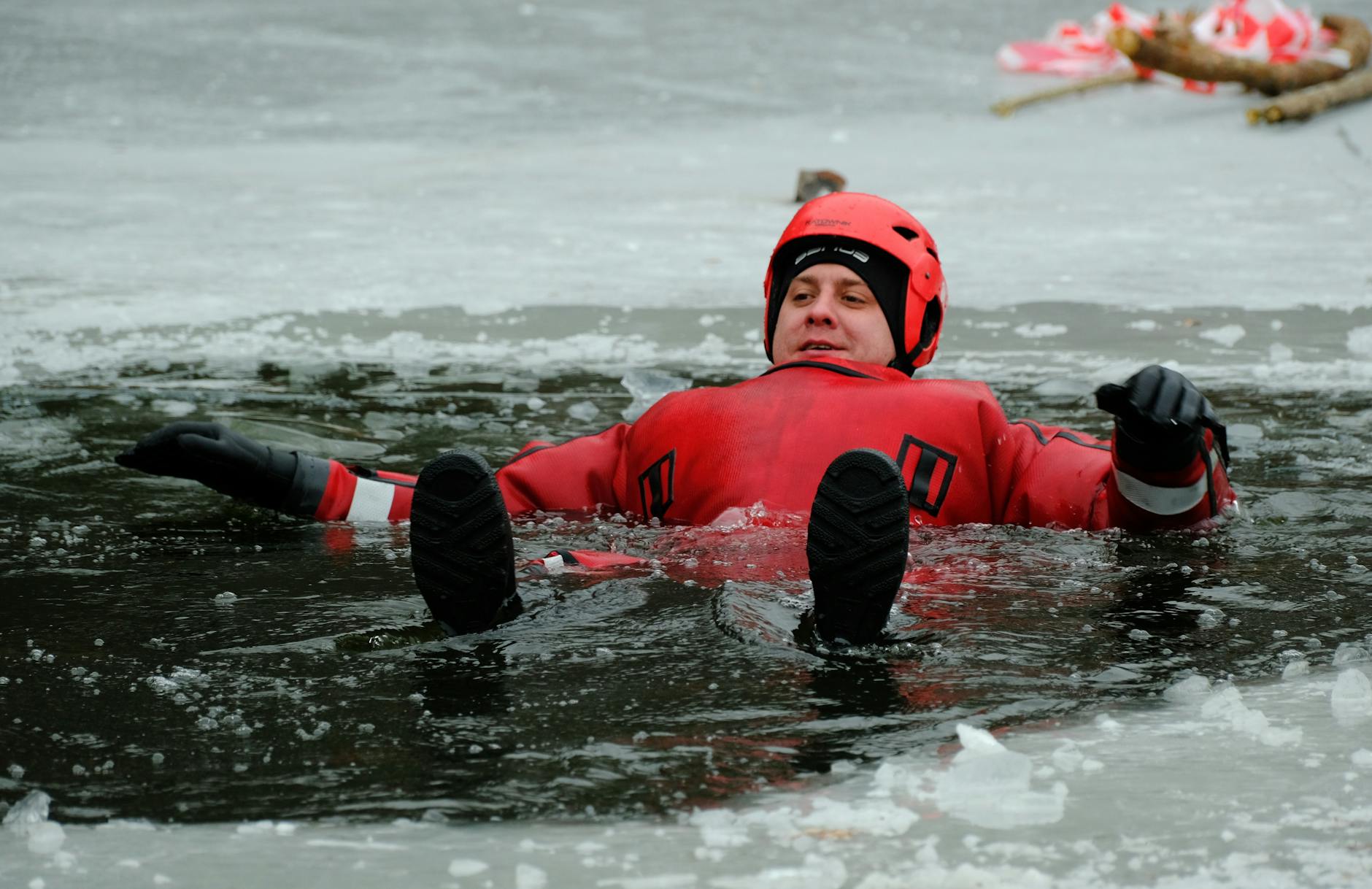
When cold water hits your skin, your body doesn’t just register discomfort and move on. A rapid chain of physiological events kicks in. Your blood vessels constrict, your heart rate spikes, your breathing quickens, and your brain gets flooded with norepinephrine, a neurotransmitter closely tied to focus, mood, and energy. Think of it as your nervous system waking up, fast.
Cold exposure also activates brown adipose tissue (brown fat), which is metabolically active fat that generates heat. Unlike regular white fat that stores energy, brown fat burns it. This is part of why regular cold exposure is being studied in connection with metabolic health and weight regulation. It’s not a magic fix, but it’s a real and measurable mechanism.
- Norepinephrine levels can increase significantly with even short cold exposure
- Brown fat activation improves thermogenesis (heat production from calorie burn)
- Vagal nerve stimulation from cold can help regulate your stress response over time
- Skin and muscle circulation improve as blood rushes back after cold constriction
The Mental Health Angle, And It’s a Strong One
Here’s something worth knowing: According to a 2023 study published in PLOS ONE, open water swimming (a form of cold water immersion) was associated with measurable reductions in anxiety and depression symptoms among participants over a 10-week period. While cold showers at home aren’t identical to open water swimming, the underlying mechanism, stress inoculation and neurochemical response, overlaps significantly.
What this means practically: regular cold exposure may help your nervous system become more resilient to stress. You’re essentially giving yourself a controlled dose of discomfort, and over time, your body learns to handle it more efficiently. That same “settle down” response starts to show up in other stressful situations, a tense meeting, a deadline, a difficult conversation. Cold showers are like mental reps.
Many of us have felt that inexplicable mood lift right after stepping out of a cold shower, and it’s not placebo. That’s your dopamine and norepinephrine doing their thing. Starting your morning that way is a completely different energy than scrolling your phone for 20 minutes before getting up.
Physical Recovery and Performance Benefits
Athletes have used cold water immersion for decades to speed up muscle recovery, reduce soreness, and get back to training faster. Cold causes blood vessels to constrict, which reduces inflammation and swelling in stressed muscle tissue. When you warm back up, fresh oxygenated blood rushes in, supporting the recovery process.
For the average person who works out a few times a week or sits at a desk all day, this still matters. Cold showers after a workout can reduce that next-day soreness enough to keep you moving consistently. And consistency, not perfection, is what actually drives long-term fitness results.
- Reduced delayed onset muscle soreness (DOMS) after training
- Faster perceived recovery allowing for more consistent workout frequency
- Reduced systemic inflammation markers with regular cold exposure habits
- Improved circulation that supports joint and tissue health over time
Energy, Focus, and the “No Coffee Required” Effect
Not everyone is ready to give up their morning coffee, and that’s completely fine, but a cold shower can give you a legitimate energy boost without the caffeine crash. The combination of increased heart rate, elevated norepinephrine, and controlled breathing creates a state of alertness that’s genuinely hard to replicate any other way before 8am.
For students grinding through exam season or professionals managing heavy workloads, that mental sharpness in the morning really matters. You’re not just awake, you’re focused. Many people report that the clarity they feel after a cold shower lasts 2 to 3 hours without the mid-morning slump that often follows a large coffee.
There’s also something to be said for the psychological win of doing something hard first thing. I know from experience that when you’ve already overcome real discomfort before your day has even started, it builds a quiet confidence that carries through to how you make decisions, approach challenges, and handle setbacks throughout the day. It sounds small. It really isn’t.
How to Start Cold Showers Without Hating Your Life
You don’t need to plunge into ice water on day one. That’s a fast track to quitting. The smartest approach is gradual, sustainable, and actually enjoyable once you get past the first week or two.
- Start with contrast showers. Begin your shower at your normal comfortable temperature. In the last 30 seconds, turn it to cold. This lets your body ease in without the shock of starting cold from the beginning. Do this for the first week.
- Extend your cold time gradually. After a week of 30-second cold endings, push to 60 seconds. Then 90. Build toward 2 to 3 minutes of cold at the end of your shower over the course of 3 to 4 weeks. Progress matters more than immediate intensity.
- Focus on your breathing, not the cold. When cold water hits, your instinct is to gasp and tense up. Instead, take slow, controlled breaths through your nose. This activates your parasympathetic nervous system and genuinely makes the cold feel more manageable within 10 to 15 seconds.
- Pick a consistent time and stick to it. Morning is the most popular choice because the energy boost is most useful then, but post-workout cold showers for recovery are equally valid. What matters is consistency. Three to five times per week is enough to start building the physiological and psychological benefits.
- Track how you feel afterward. Keep a simple note on your phone, just a one-line mood and energy check-in after each cold shower for two weeks. Most people are surprised at how consistently positive the after-effects are. That data becomes your own personal motivation.
Who Should Be Cautious
Cold showers are generally safe for healthy adults, but there are situations where you should check with your doctor first. If you have cardiovascular conditions, Raynaud’s disease, or any condition that affects circulation or temperature regulation, get medical clearance before making this a regular practice. Cold exposure causes rapid heart rate changes and blood pressure spikes, manageable for most people, but worth discussing with your healthcare provider if you have an existing condition.
Pregnant women should also consult their doctor before adopting cold exposure habits. And if you’re feeling under the weather or running a fever, skip it, your body is already working hard enough.
Frequently Asked Questions
How long does a cold shower need to be to see benefits?
Research suggests even 30 to 90 seconds of cold exposure at the end of a shower can trigger the norepinephrine response and mood benefits. You don’t need to suffer through 10 minutes of icy water. Consistency over a few weeks matters far more than duration on any single day. Start short and build up as it becomes more comfortable.
Will cold showers help with weight loss?
Cold exposure activates brown adipose tissue and increases calorie burn through thermogenesis, but the effect on its own is modest. It’s not a replacement for nutrition and exercise. However, as part of a healthy lifestyle, better energy, improved recovery, more consistent workouts, cold showers can absolutely support a weight management approach indirectly. Think of it as a supportive habit, not a solo solution.
Is there a best time of day to take a cold shower?
Most people find mornings most effective because the energy and mood boost aligns well with starting the day strong. Post-workout cold showers are great for recovery. Evening cold showers are generally less recommended because the stimulating effect can interfere with sleep for some people. That said, individual responses vary, experiment and see what works for your schedule and sleep quality.
Final Thoughts
The bottom line is that the benefits of cold exposure and cold showers are well-supported, genuinely accessible, and surprisingly easy to build into a routine once you push through the initial discomfort of that first week. You don’t need special equipment, a gym membership, or extra time, just 90 seconds of intentional discomfort and a willingness to let your body adapt. Whether you’re after better focus, faster recovery, lower stress, or just a sharper start to your morning, cold showers offer a surprisingly effective return on a very small investment. Give it two weeks, stay consistent, and pay attention to how you feel, the results tend to speak for themselves.