Benefits Of Green Tea And When To Drink It
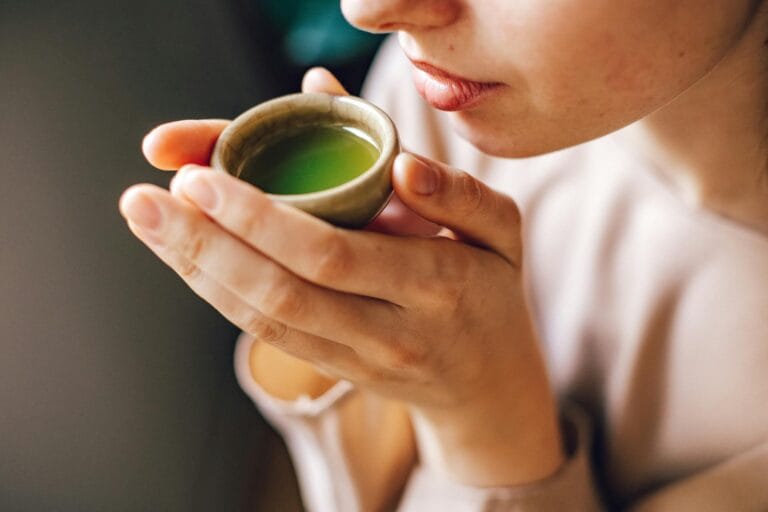
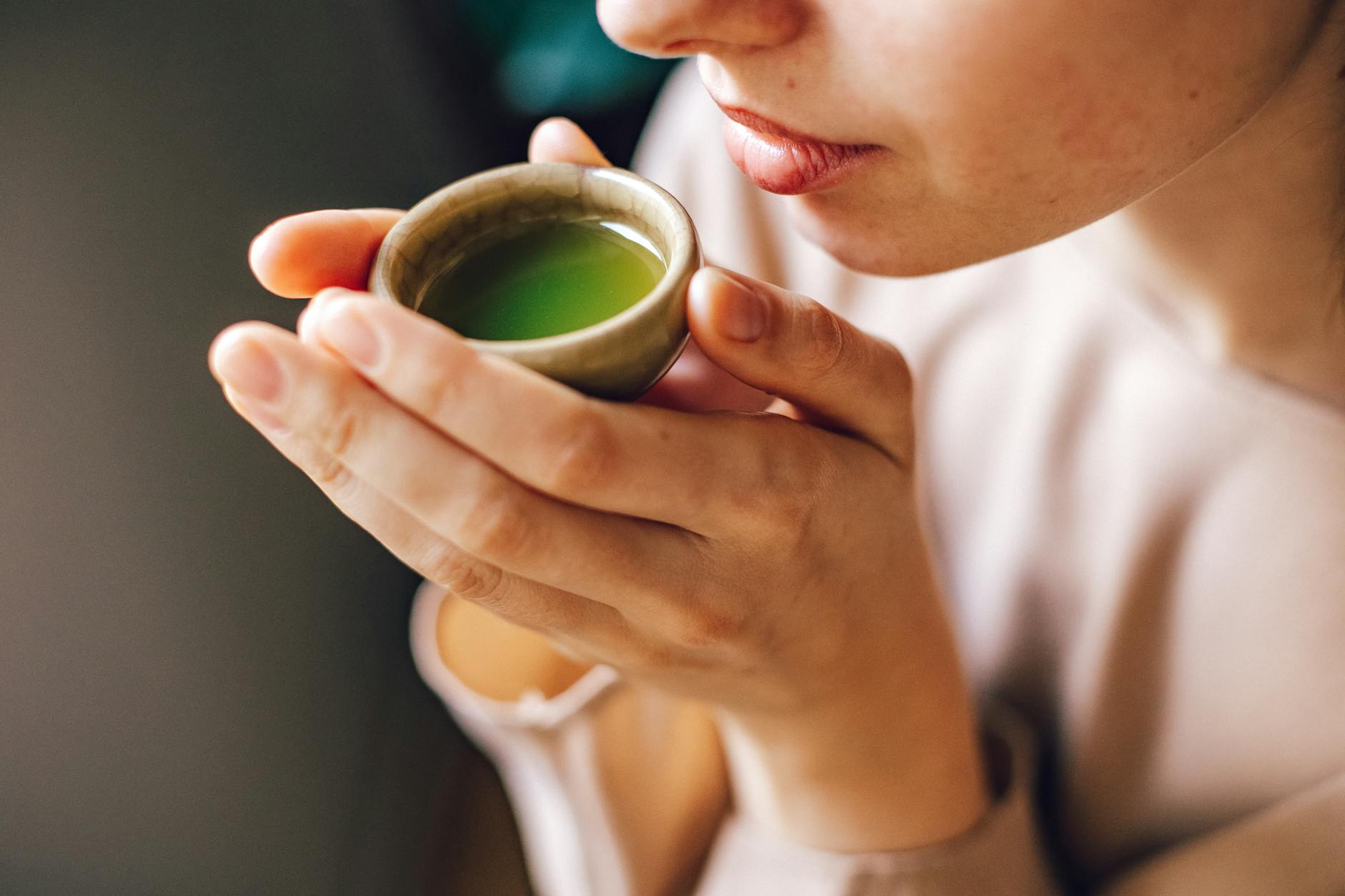
I’ll be honest, green tea completely changed my afternoon routine, and I haven’t looked back since. If you’ve been curious about the benefits of green tea and when to drink it, you’re not alone. Millions of people have swapped their morning coffee or sugary drinks for this ancient beverage, and for genuinely good reason. Green tea isn’t just a trendy wellness staple. It’s one of the most studied drinks on the planet, with real science backing up what traditional cultures have known for centuries. Whether you’re trying to boost your energy, support your metabolism, or simply build a healthier daily routine, green tea deserves a serious spot in your lifestyle.
What Makes Green Tea So Special?
Green tea comes from the same plant as black and oolong tea, Camellia sinensis, but it goes through minimal oxidation during processing. This means it holds onto far more of its natural compounds, especially a group of antioxidants called catechins. The most powerful of these is epigallocatechin gallate, better known as EGCG. EGCG is the compound researchers keep coming back to when studying green tea’s effects on the body.
Beyond antioxidants, green tea also contains a moderate amount of caffeine and an amino acid called L-theanine. These two work together in a way that most other caffeinated drinks simply can’t match. You get alertness and focus without the jittery crash that often follows a strong cup of coffee. I know from experience that this difference is noticeable, it’s a calmer, steadier kind of energy. That combination alone makes green tea worth exploring for anyone managing a demanding schedule or trying to stay mentally sharp throughout the day.
Top Health Benefits of Green Tea
The research on green tea is genuinely impressive. Here’s a look at what the science actually says about drinking it regularly.
- Supports brain function: The combination of caffeine and L-theanine improves reaction time, memory, and focus. Several studies have shown that this pairing produces better cognitive results than caffeine alone, making your mental energy cleaner and more sustained.
- Aids metabolism and fat burning: EGCG has been shown to boost metabolic rate and increase fat oxidation, particularly during exercise. Green tea is a common ingredient in fat-burning supplements for exactly this reason.
- Rich in antioxidants: Free radical damage is linked to aging and a wide range of diseases. The catechins in green tea neutralize free radicals, helping protect your cells from oxidative stress over time.
- Supports heart health: Regular green tea consumption has been associated with lower LDL cholesterol levels and reduced risk of cardiovascular disease. A large-scale study published in the Journal of the American Medical Association found that people who drank five or more cups of green tea per day had a significantly lower risk of dying from heart disease.
- May help regulate blood sugar: Green tea appears to improve insulin sensitivity and reduce blood sugar spikes, which is particularly useful after meals. This makes it a smart drink for anyone watching their metabolic health.
- Promotes calm focus: L-theanine encourages the production of alpha brain waves, which are associated with a relaxed but alert mental state. This is why green tea gives you energy without the anxiety that sometimes accompanies coffee.
- Supports gut health: Emerging research suggests green tea’s polyphenols may positively influence gut bacteria, contributing to a healthier digestive environment over time.
According to a 2020 meta-analysis published in Nutrients, regular green tea consumption was associated with a 20% reduced risk of type 2 diabetes across multiple population studies. That’s a meaningful number backed by a substantial body of research.
When to Drink Green Tea for Maximum Benefit
Knowing what green tea does is only half the equation. Timing matters more than most people realize. Drinking green tea at the wrong time can actually reduce its benefits or cause minor issues like stomach discomfort or disrupted sleep. Here’s how to get your timing right.
- Mid-morning, about 1-2 hours after breakfast: This is arguably the best window for most people. Your body has had time to absorb your morning meal, your cortisol levels are beginning to drop naturally, and your caffeine sensitivity is at a good place. Drinking green tea here gives you a clean energy boost going into the most productive part of your day without interfering with your natural cortisol rhythm, which peaks right after waking.
- 30 minutes before a workout: The caffeine and EGCG combination makes green tea an effective pre-workout option. Studies suggest it can increase fat burning during aerobic exercise by helping your body mobilize fatty acids for fuel. It’s gentler on your stomach than many commercial pre-workout supplements and doesn’t cause a dramatic energy spike followed by a crash.
- After lunch, before the afternoon slump hits: That 2-3 PM energy dip is real, many of us have felt it hit like a wall right after lunch. Green tea is one of the smarter ways to push through it. The moderate caffeine content, typically between 25-45mg per cup compared to 95mg in coffee, gives you a lift without making it harder to fall asleep later that night. Pair this cup with a short walk and you’ll notice a significant difference in your afternoon productivity.
- At least 2 hours after meals if you’re focused on iron absorption: Green tea contains tannins that can bind to non-heme iron (the type found in plant sources) and reduce how much your body absorbs. If you rely heavily on plant-based iron sources, it’s smart to separate your green tea from your meals. This doesn’t mean avoid green tea, just be mindful of the timing, especially if you’ve been flagged for low iron levels.
When to Avoid Green Tea
There are a few situations where green tea isn’t the best choice, and being aware of them will help you get more out of your habit without the downsides.
Don’t drink green tea on an empty stomach if you have a sensitive digestive system. The tannins can cause nausea or stomach irritation when there’s no food to buffer them. Even a small snack before your cup can make a noticeable difference. Also, cut off your green tea by early afternoon if you’re a light sleeper or sensitive to caffeine. While the caffeine content is low compared to coffee, it still has a half-life of about 5-6 hours, meaning a 3 PM cup could still be active in your system by 9 PM.
Pregnant individuals should limit green tea to no more than 2 cups per day due to the caffeine content, and anyone taking blood thinners or medications for heart conditions should speak with a doctor before dramatically increasing their intake.
How to Build a Green Tea Habit That Sticks
The best health habit is one you’ll actually maintain. Green tea is easy to work into your routine once you find your preferred style. Loose-leaf varieties generally offer more antioxidants than bagged options, but a quality bagged tea is still effective and far more convenient for busy schedules. Brew your tea between 160-180°F rather than boiling water, high temperatures can destroy some of the beneficial catechins and create a bitter taste that makes you less likely to keep drinking it.
Experiment with different varieties like sencha, matcha, or gyokuro to find what suits your palate. Matcha, in particular, is worth trying since you’re consuming the whole leaf in powdered form, delivering a higher concentration of EGCG and L-theanine than a standard steeped cup.
Frequently Asked Questions
How many cups of green tea should I drink per day?
Most research suggests 2-4 cups per day is the sweet spot for health benefits without overconsumption of caffeine or tannins. Starting with one or two cups and building from there is a sensible approach, especially if you’re new to green tea or sensitive to caffeine.
Can green tea help with weight loss?
Green tea can support weight management as part of an overall healthy lifestyle, but it’s not a magic solution. The EGCG and caffeine combination has been shown to modestly boost metabolism and fat oxidation. The more realistic benefit is that replacing high-calorie drinks with green tea naturally reduces your daily calorie intake over time.
Is it okay to drink green tea before bed?
Generally, no, at least not for most people. The caffeine content, though lower than coffee, can still interfere with sleep quality if consumed within 4-6 hours of bedtime. If you want something warm in the evenings, an herbal tea like chamomile or a caffeine-free rooibos is a better option for winding down.
Final Thoughts
The bottom line is that green tea is one of the few beverages that holds up well under scientific scrutiny. The benefits are real, the risks are minimal for most healthy adults, and the habit is genuinely easy to build into everyday life. Start with a morning or mid-day cup, pay attention to how your body responds, and adjust from there. Whether you’re optimizing your focus, supporting your heart health, or simply looking for a smarter alternative to your afternoon energy drink, green tea is a practical, low-cost addition to a healthy lifestyle that’ll pay off in the long run.
Related Articles
- Best Supplements For Energy And Focus
- Anti Inflammatory Foods To Eat Daily
- How To Quit Caffeine Without Headaches