Benefits Of Strength Training For Women
I’ll be honest, I put off strength training for years because I assumed it wasn’t really “for me.” If you’ve ever felt the same way, I want you to know that the benefits of strength training for women go so much further than building muscle. From sharper focus at your desk to stronger bones decades from now, lifting weights is genuinely one of the most practical health investments a busy woman can make. This article breaks down exactly what happens when women train with resistance, why it matters for your specific lifestyle, and how to get started without overhauling your entire schedule.
What Strength Training Actually Does to Your Body
Strength training, also called resistance training, means working your muscles against a force. That force can be dumbbells, barbells, resistance bands, machines, or even your own bodyweight. When you create that muscular challenge consistently, your body adapts in ways that affect almost every system, not just your arms or legs.
Your muscles develop more contractile tissue. Your bones respond to mechanical load by increasing density. Your nervous system becomes more efficient at recruiting muscle fibers. And your metabolism shifts, because muscle tissue burns more calories at rest than fat tissue does. These aren’t opinions, they’re well-documented physiological responses that show up in the research regardless of age or starting fitness level.
The Real Reasons Women Benefit Specifically
Women face some health risks that strength training directly addresses. Osteoporosis is one of the most significant. According to the National Osteoporosis Foundation, approximately 10 million Americans have osteoporosis and 80 percent of those are women. Resistance training is one of the most effective non-pharmaceutical tools for building and maintaining bone density, which means the work you do in your thirties can pay real dividends in your sixties and beyond.
Hormonal shifts across a woman’s life also make muscle mass particularly valuable. Estrogen plays a role in maintaining muscle, and as levels fluctuate during perimenopause and menopause, women can lose muscle at an accelerated rate. Building a strong foundation earlier in life buffers against that loss and keeps metabolism, energy, and functional strength intact. I know from experience that this isn’t something most of us think about until we’re already in the thick of those changes, but starting sooner genuinely matters.
Benefits That Show Up in Your Daily Life
The practical payoffs of strength training are what make it worth showing up for week after week, especially when your calendar is full. Here’s what you can realistically expect:
- More energy through the day: Regular resistance training improves mitochondrial function, which means your cells produce energy more efficiently. Many women report feeling less afternoon fatigue within a few weeks of consistent training.
- Better sleep quality: Physical exertion through strength work has been linked to deeper, more restorative sleep cycles, which matters enormously when you’re managing work deadlines and personal responsibilities.
- Reduced anxiety and stress: Lifting weights triggers the release of endorphins and also reduces cortisol over time when training is appropriately programmed. The mental clarity after a session isn’t imaginary.
- Improved posture and less back pain: Strengthening your posterior chain, which includes your glutes, hamstrings, and back muscles, directly counteracts the forward-hunched position that comes from long hours at a desk.
- Better insulin sensitivity: Muscle tissue is one of the primary sites where your body stores and uses glucose. More muscle means your body handles carbohydrates and blood sugar more effectively, reducing long-term risk of type 2 diabetes.
- Increased confidence: This one’s hard to quantify but consistently reported. There’s something specific about getting stronger at a physical skill that translates into a sense of competence that carries into other areas of life.
- Injury prevention: Stronger muscles stabilize joints. Women are at higher risk for ACL injuries, in part due to anatomical differences at the knee. Targeted strength work significantly reduces that vulnerability.
Common Fears That Hold Women Back
Two concerns come up repeatedly when women consider starting a lifting program. The first is the fear of getting bulky. Many of us have felt this hesitation, it’s completely understandable. But this isn’t how female physiology works for the vast majority of women. Building large muscle mass requires very specific caloric conditions, years of progressive overload, and in many cases, hormonal advantages that most women simply don’t have. What you’re far more likely to experience is a leaner, more defined appearance as muscle tissue becomes more prominent and body fat percentage shifts.
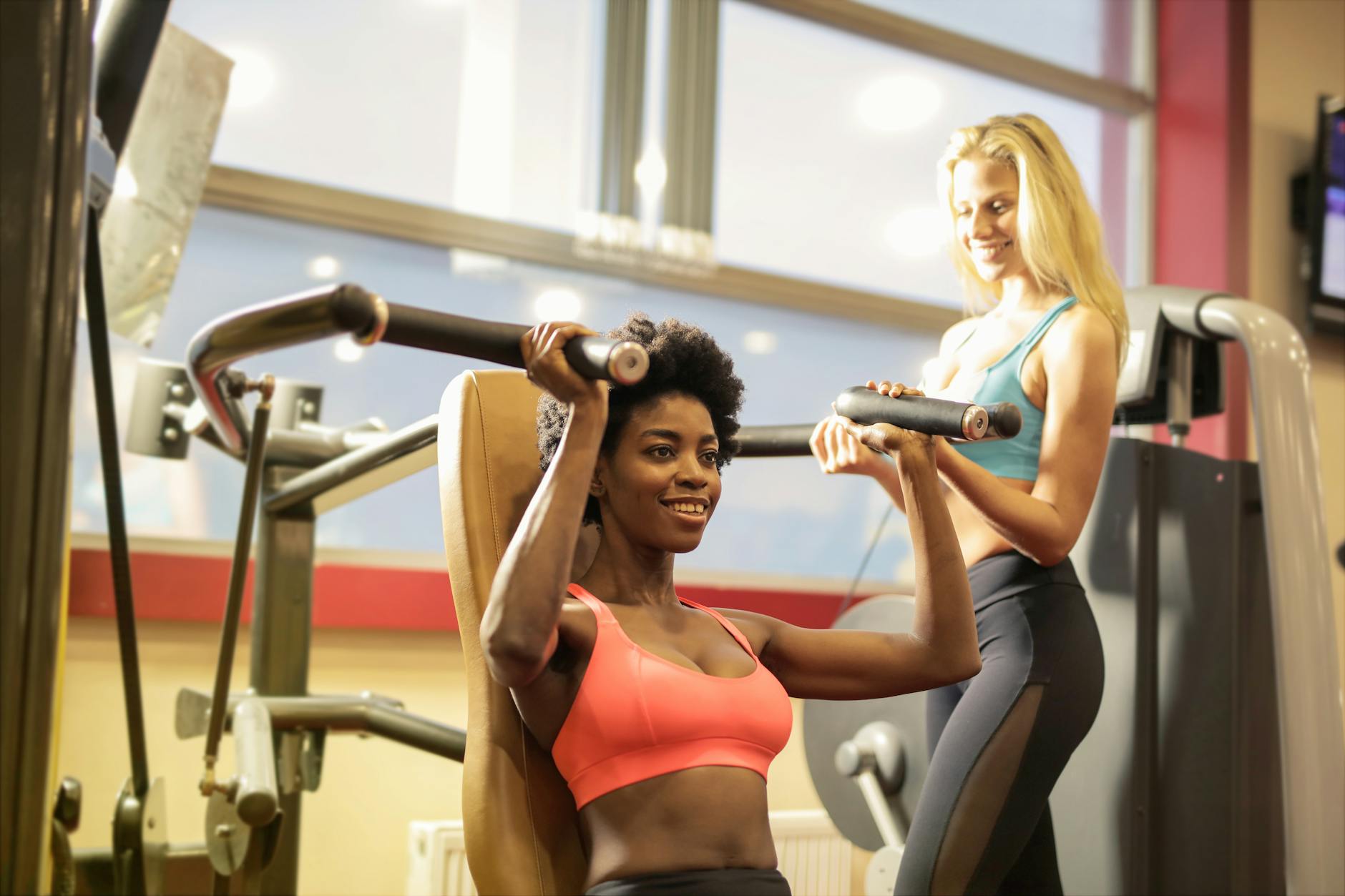
The second concern is not knowing where to start, or feeling out of place in a weights area. This is completely valid, but the solution is pretty straightforward. A few sessions with a qualified trainer, a structured beginner program, or even quality online resources are enough to build the foundational confidence to train independently.
How to Start a Strength Training Routine: A Step-by-Step Guide
Getting started doesn’t require a gym membership on day one or hours of free time each week. Here’s a realistic path for a busy professional who’s new to resistance training:
- Set a specific and honest goal: Decide whether you’re training primarily for bone health, fat loss, athletic performance, stress management, or general fitness. Your goal shapes your program structure and keeps you motivated when scheduling gets tight.
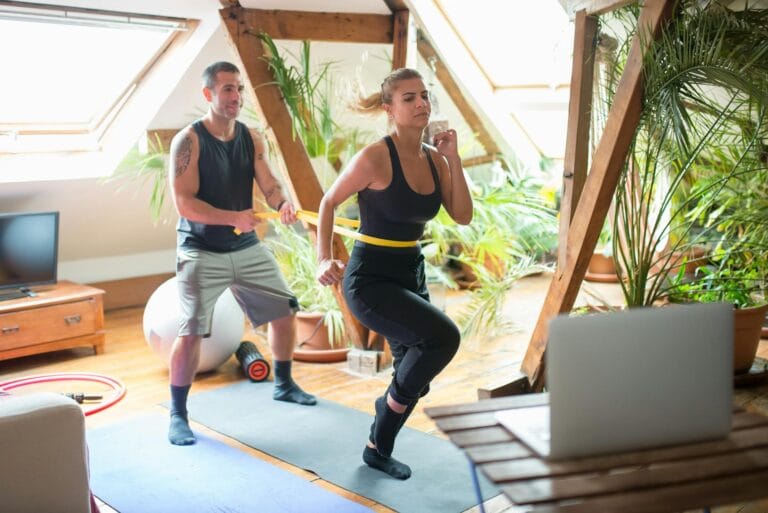
- Choose a format that fits your current life: Two to three sessions per week is enough to produce real results as a beginner. Whether that means a gym, home dumbbells, or resistance bands, pick the format you’ll actually stick with rather than the theoretically optimal one.
- Learn five foundational movement patterns: Squat, hinge, push, pull, and carry. These cover virtually every functional movement your body needs. Master the basic version of each before adding significant load.
- Start lighter than you think you need to: The first two to three weeks are about learning movement quality, not about lifting heavy. Controlled technique protects you from injury and builds the neuromuscular connections that make future progress faster.
- Progress the load gradually: Once you can complete the prescribed reps with good form and the last few reps feel only moderately challenging, increase the weight slightly. Small jumps of two to five pounds are appropriate and sustainable.
- Prioritize recovery: Muscle grows during rest, not during the session itself. Aim for seven to nine hours of sleep, eat enough protein (a general starting target is 0.7 to 1 gram per pound of bodyweight), and allow at least one rest day between training the same muscle groups.
- Track your sessions simply: Write down what you lifted each session. It doesn’t need to be complicated, a notebook or notes app works just fine. Seeing your numbers increase over time is one of the most motivating experiences in fitness.
How Strength Training Supports Long-Term Health
Looking past the next few months, the long-term case for lifting weights is even more compelling. Research consistently shows that muscle mass and strength are among the strongest predictors of longevity and quality of life in older adults. Women who build and maintain strength through their thirties and forties are better positioned to remain independent, mobile, and pain-free well into their later decades.
Cardiovascular health benefits too. Contrary to the outdated idea that only cardio supports heart health, resistance training improves blood pressure, reduces LDL cholesterol, and supports healthy arterial function. Combining strength training with moderate cardio produces better metabolic outcomes than either approach alone.
The mental health benefits compound over time as well. Consistency with a physical practice builds self-discipline, resilience, and a relationship with your body that’s grounded in capability rather than appearance alone.
Frequently Asked Questions
How many days per week should women strength train to see results?
Two to three sessions per week is a well-supported starting point for beginners and produces measurable improvements in strength, body composition, and bone density. As you progress, some women move to four sessions using a split routine, but that’s not necessary to see significant benefits.
Will strength training make me gain weight on the scale?
Possibly in the short term, because muscle tissue is denser than fat and you may also retain slightly more water as your muscles repair. The scale is a poor measure of progress when you’re strength training. Body composition, how your clothes fit, and how you feel are much more useful indicators during the first several months.
Can I strength train if I’ve never exercised before?
Yes, and in many ways beginners make the fastest progress because the body responds dramatically to a new stimulus. The key is starting with bodyweight or very light resistance, focusing entirely on movement quality before adding load, and giving yourself permission to progress slowly without comparing yourself to anyone else’s timeline.
Final Thoughts
The bottom line is this: strength training isn’t a trend or an extreme sport. For busy professional women, it’s one of the most time-efficient, evidence-supported tools available for protecting health, managing stress, and building the kind of physical resilience that improves every part of daily life. You don’t need to spend hours in the gym or follow a complicated program to get started. You need consistency, a basic plan, and the willingness to show up a few times a week. Start where you are, use what you have, and let the results build from there. Your future self will absolutely notice the difference.
Related Articles
- How To Build A Workout Habit That Sticks
- How To Start Exercising When Out Of Shape
- Benefits Of Walking 30 Minutes A Day