Benefits Of Taking Probiotics Daily
The benefits of taking probiotics daily go well beyond what most people expect from a simple supplement. If you’ve been dealing with afternoon energy crashes, irregular digestion, or just feeling off despite eating reasonably well, your gut microbiome might be part of the picture. Probiotics — live bacteria and yeasts that support the balance of microorganisms in your digestive system — have been studied extensively over the past two decades, and the findings are worth knowing about whether you’re a grad student pulling late nights or a professional managing a packed schedule.
What probiotics actually do in your body
Your gut contains roughly 38 trillion bacterial cells, according to a 2016 estimate published in Cell by Sender et al. — nearly equal to the number of human cells in your entire body. These bacteria are not passive passengers. They help break down food, produce certain vitamins like B12 and K2, regulate immune responses, and communicate with your brain through what researchers call the gut-brain axis. When the balance of these bacteria tips in the wrong direction — from stress, antibiotics, poor sleep, or a diet heavy in processed food — a range of issues can follow.
Taking a probiotic daily helps replenish beneficial bacteria strains like Lactobacillus and Bifidobacterium, which are among the most studied in clinical settings. The key word here is consistency. A single dose doesn’t recolonize your gut overnight, but a regular daily habit can create measurable shifts in microbial diversity within four to eight weeks.
The real benefits you can expect
Here’s what the research actually shows when people take probiotics consistently:
- Better digestion: Probiotics are well-documented for reducing bloating, gas, and irregularity. They’re especially effective after a course of antibiotics, which wipe out both harmful and beneficial bacteria.
- Stronger immune function: About 70% of your immune system is located in your gut lining. A 2023 study published in Frontiers in Immunology found that daily probiotic supplementation reduced the frequency and duration of upper respiratory infections in adults under 40.
- Improved mental clarity and mood: The gut produces roughly 90% of your body’s serotonin. Several clinical trials have linked probiotic supplementation to reduced symptoms of mild anxiety and improved focus, though this research is still developing.
- Better skin: The gut-skin axis is real. Imbalances in gut bacteria have been associated with acne, eczema, and rosacea flare-ups. Some people report visible skin improvements within six to eight weeks of consistent probiotic use.
- Reduced inflammation: Chronic low-grade inflammation is linked to fatigue, joint discomfort, and brain fog. Certain probiotic strains help regulate the inflammatory response at the gut level, which can have systemic effects over time.
How to start taking probiotics daily (and actually stick with it)
Starting a probiotic habit sounds straightforward, but getting the right product and routine in place takes a bit more thought than just grabbing whatever’s on sale at the pharmacy. Follow these steps to set yourself up for results:
- Choose a product with multiple strains and a viable CFU count. Look for at least 10 billion CFUs (colony-forming units) per serving. Products that list specific strains like Lactobacillus acidophilus NCFM or Bifidobacterium longum BB536 are more credible because those strains have actual clinical research behind them, not just marketing language.
- Check the storage requirements before you buy. Some probiotics require refrigeration to stay viable. Others use shelf-stable technology. Read the label, because a probiotic that’s been sitting at room temperature when it was supposed to be refrigerated may have lost most of its effectiveness before you even open it.
- Take your probiotic with or just before a meal. Stomach acid kills bacteria, but food helps buffer that acid and improves the survival rate of the bacteria through your digestive tract. Breakfast or lunch is a better time than right before bed, when digestive activity slows.
- Pair your probiotic with prebiotic foods. Prebiotics are the fiber that feeds your probiotic bacteria. Foods like garlic, onions, bananas, oats, and asparagus help the bacteria you’re taking actually survive and thrive. You don’t need a separate prebiotic supplement — just make sure these foods show up in your diet regularly.
- Give it at least four weeks before you evaluate. Many people expect immediate results and quit too early. Changes in digestion can appear within one to two weeks, but mood and immune benefits typically take longer to become noticeable. Track your symptoms in a simple notes app so you have something concrete to compare against.
Common mistakes that make probiotics less effective
Taking probiotics inconsistently is the most common reason people don’t see results. If you miss two or three days every week, your gut bacteria levels fluctuate too much to build meaningful progress. Set a phone reminder or keep the bottle next to your coffee maker so it’s part of a routine you already have.
Another mistake is ignoring diet. Probiotics can’t do much if you’re regularly eating a lot of refined sugar and ultra-processed food. Those foods feed harmful bacteria in your gut and create an environment where beneficial strains struggle to establish themselves. You don’t need a perfect diet, but reducing processed food to a few times a week makes a real difference.
Some people also take probiotics alongside antibiotics at the same time. If you’re prescribed antibiotics, space your probiotic dose by at least two hours so the medication doesn’t kill the bacteria before they have a chance to work. After your antibiotic course is done, this is actually one of the best times to be consistent with probiotics.
Food sources vs. supplements: what works better
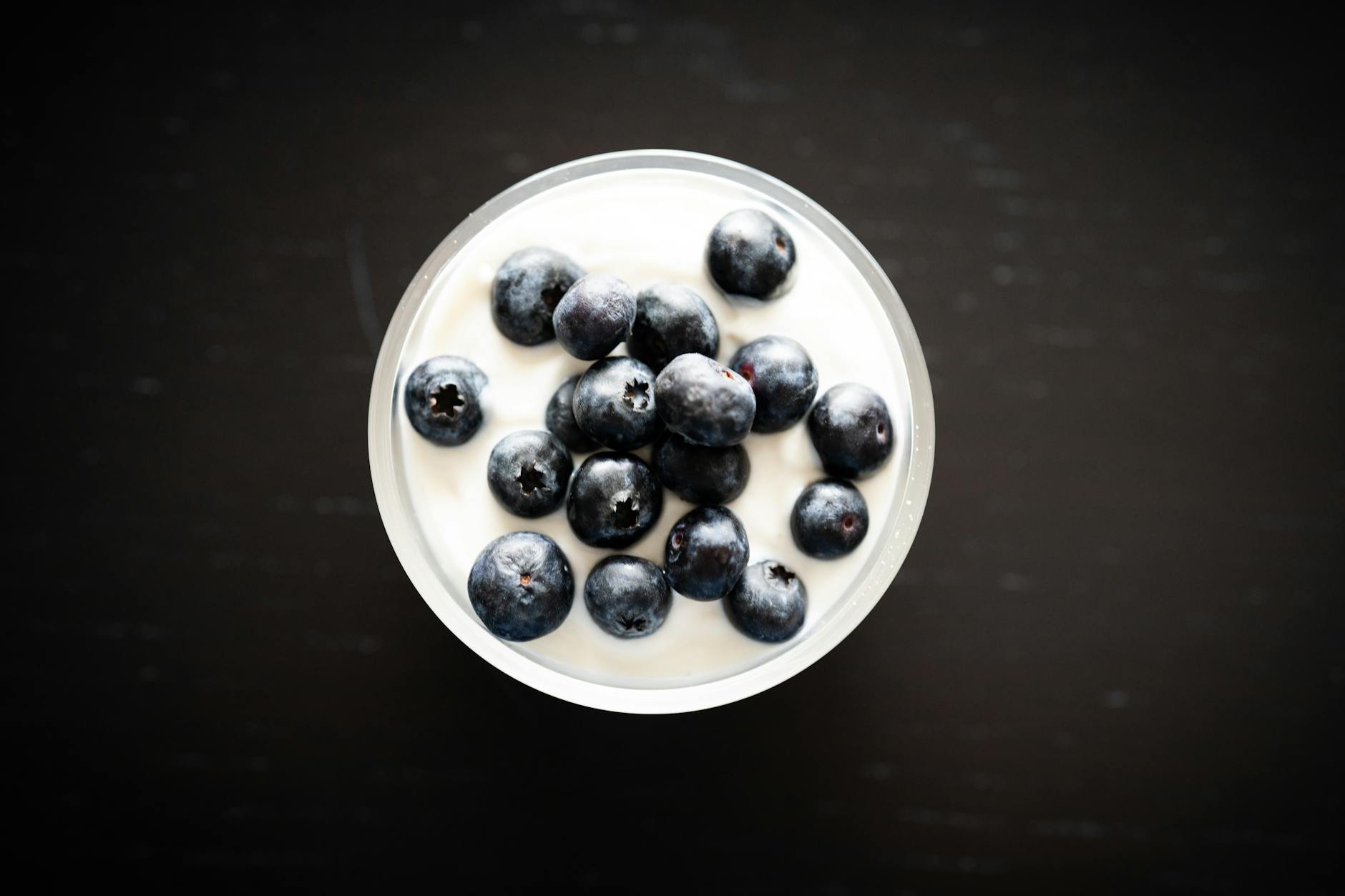
Fermented foods like yogurt, kefir, kimchi, sauerkraut, and miso contain live probiotic bacteria. For some people, getting these foods into their daily diet is enough to maintain a healthy microbial balance. The limitation is that most commercially produced yogurt and fermented products contain only one or two bacterial strains, and the CFU count is rarely disclosed on the packaging.
Probiotic supplements give you more control over which strains you’re getting and at what dosage. For people managing a specific health concern — like post-antibiotic recovery, IBS, or chronic bloating — supplements are generally the more targeted option. For general maintenance and prevention, combining fermented foods with a moderate-dose supplement covers most bases without overcomplicating things.
Frequently Asked Questions
Can you take probiotics every day long-term, or do you need to cycle off?
For most healthy adults, daily probiotic use is safe for extended periods. Unlike many supplements, there’s no established evidence that continuous use causes harm or reduces effectiveness. If you’re immunocompromised or have a serious underlying condition, check with your doctor before starting, but for the average healthy person, daily long-term use is well-tolerated and supported by current research.
How do you know if your probiotic is actually working?
The most reliable early signals are improvements in digestion — less bloating, more regular bowel movements, and reduced gas. These typically show up within two to three weeks. Mood, energy, and skin changes take longer, often six to eight weeks. If you’ve been consistent for two months and noticed nothing, it may be worth trying a different product with different bacterial strains, since individual responses vary based on your existing gut microbiome.
Are all probiotic strains the same, or does it matter which ones you choose?
It matters significantly. Different strains have different effects. Lactobacillus rhamnosus GG is one of the most studied for diarrhea prevention and gut recovery after antibiotics. Bifidobacterium infantis 35624 has been specifically studied for IBS symptoms. Lactobacillus plantarum 299v has shown effects on bloating and stool frequency. Generic “probiotic blend” products without named strains make it impossible to predict outcomes. Look for products that identify strains by their full name, including the code at the end.
Final Thoughts
The benefits of taking probiotics daily are backed by a solid and growing body of research, and for most people between 22 and 40 managing demanding schedules, gut health is one of the most practical levers they can pull for better energy, digestion, and immune function. The barrier to entry is low — a quality probiotic costs roughly $25 to $40 per month — and the habit takes less than 30 seconds a day. If you want a concrete starting point, look for a supplement containing at least Lactobacillus acidophilus and Bifidobacterium longum, aim for 10 to 20 billion CFUs, and take it with breakfast for four weeks before deciding whether it’s working for you.