Best Anti Inflammatory Foods To Eat Daily
If you’re looking for the best anti inflammatory foods to eat daily, you’re already ahead of most people when it comes to managing long-term health. Chronic inflammation is quietly linked to conditions like heart disease, type 2 diabetes, and even depression — and your grocery list has more control over it than most people realize. The good news is that eating to reduce inflammation doesn’t mean bland salads or expensive supplements. It means making smarter, consistent choices with foods you probably already enjoy.
What inflammation actually is (and why it matters)
Inflammation isn’t always bad. When you sprain your ankle or fight off a cold, inflammation is your immune system doing its job. The problem is chronic, low-grade inflammation — the kind that simmers in the background for months or years without obvious symptoms. Over time, that constant immune activation damages tissues and contributes to some of the most common health conditions affecting people under 40.
According to a 2023 review published in Nature Reviews Immunology, chronic inflammation is implicated in at least 7 of the top 10 leading causes of death globally, including cardiovascular disease, cancer, and Alzheimer’s disease. That’s a significant reason to take your daily diet seriously — not to be perfect, but to make consistent, small changes that add up over years.
The best anti inflammatory foods to build your diet around
You don’t need an exotic pantry or a meal prep service. Most of these foods are available at any grocery store and fit easily into a busy schedule. Here’s what the research consistently points to:
- Fatty fish — Salmon, sardines, mackerel, and tuna are high in omega-3 fatty acids (EPA and DHA), which directly reduce the production of inflammatory molecules called cytokines. Aim for two to three servings per week, but even one meal makes a difference.
- Berries — Blueberries, strawberries, raspberries, and blackberries contain anthocyanins, a type of antioxidant that has been shown in multiple studies to lower inflammatory markers like C-reactive protein (CRP). Frozen berries work just as well as fresh ones.
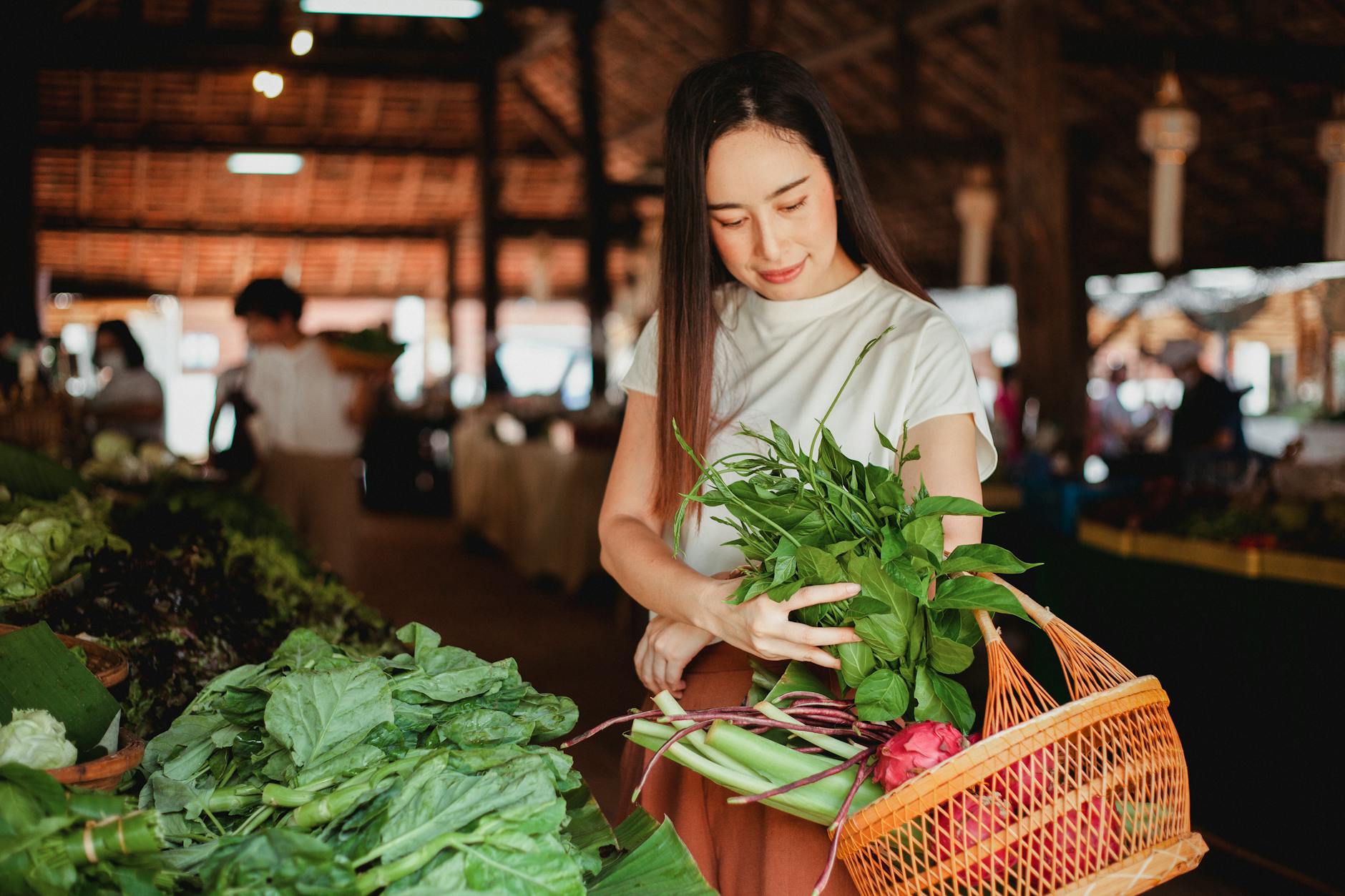
- Leafy greens — Spinach, kale, Swiss chard, and arugula are packed with vitamin K and polyphenols. Vitamin K in particular plays a role in regulating inflammatory pathways. A handful in a smoothie or a quick sauté with garlic counts.
- Extra virgin olive oil — This one is worth spending a little more on. EVOO contains oleocanthal, a compound that works similarly to ibuprofen by inhibiting the same inflammatory enzymes. Use it as your primary cooking fat and as a salad dressing base.
- Turmeric — Curcumin, the active compound in turmeric, has strong anti-inflammatory properties. The catch is absorption — it’s much more effective when paired with black pepper, which increases bioavailability by up to 2000% according to research published in Planta Medica.
- Nuts — Walnuts and almonds are particularly useful. Walnuts contain alpha-linolenic acid (ALA), a plant-based omega-3, and have been linked to lower CRP levels in multiple clinical trials. A small handful a day is enough.
- Green tea — If you need a coffee alternative or an afternoon drink, green tea contains EGCG (epigallocatechin gallate), one of the most studied anti-inflammatory compounds in nutrition science. Two cups a day shows measurable effects in research settings.
- Tomatoes — Cooked tomatoes are particularly high in lycopene, an antioxidant that reduces inflammation associated with cardiovascular disease. Tomato paste and canned tomatoes are actually more bioavailable sources than raw tomatoes.
- Dark chocolate — At 70% cocoa or higher, dark chocolate contains flavanols that reduce inflammation and improve endothelial function. A square or two after dinner is genuinely useful, not just a treat you’re justifying.
- Legumes — Lentils, black beans, and chickpeas provide fiber that feeds gut bacteria, which in turn produce short-chain fatty acids that regulate immune response. A healthy gut microbiome is one of the most consistent predictors of low systemic inflammation.
How to start eating more anti inflammatory foods without overhauling your life
The biggest mistake people make is trying to change everything at once. A better approach is to layer in anti-inflammatory foods gradually, replacing less useful options rather than adding more food on top of what you already eat.
- Swap your cooking oil first. Replace vegetable oil, canola oil, or butter with extra virgin olive oil for cold dishes and medium-heat cooking. This single change affects nearly every meal you prepare at home and requires zero new habits — just a different bottle on your counter.
- Add one anti-inflammatory ingredient to a meal you already eat. If you have scrambled eggs in the morning, throw in a handful of spinach. If you eat rice at lunch, stir in a teaspoon of turmeric and a pinch of black pepper. This builds the habit without creating new meal structures.
- Replace your afternoon snack with berries or nuts. Instead of a granola bar or chips, keep a bag of frozen berries in the freezer or a small container of walnuts at your desk. This is the easiest swap for most people and one of the highest-impact changes for CRP levels.
- Eat fatty fish twice a week intentionally. Schedule it. Put “salmon dinner” on two specific nights in your week. Canned sardines on whole grain crackers takes less than three minutes to prepare and counts toward your weekly goal.
- Reduce the foods that drive inflammation. This isn’t about restriction — it’s about balance. Ultra-processed foods, refined sugar, and trans fats are the main dietary drivers of chronic inflammation. You don’t need to eliminate them, but reducing them makes the anti-inflammatory foods you’re adding work harder.
What a realistic anti-inflammatory day of eating looks like
This isn’t a meal plan — it’s just an example to show how this fits into a normal, non-obsessive day:
- Breakfast: Greek yogurt with frozen blueberries and a handful of walnuts, or eggs with spinach cooked in olive oil
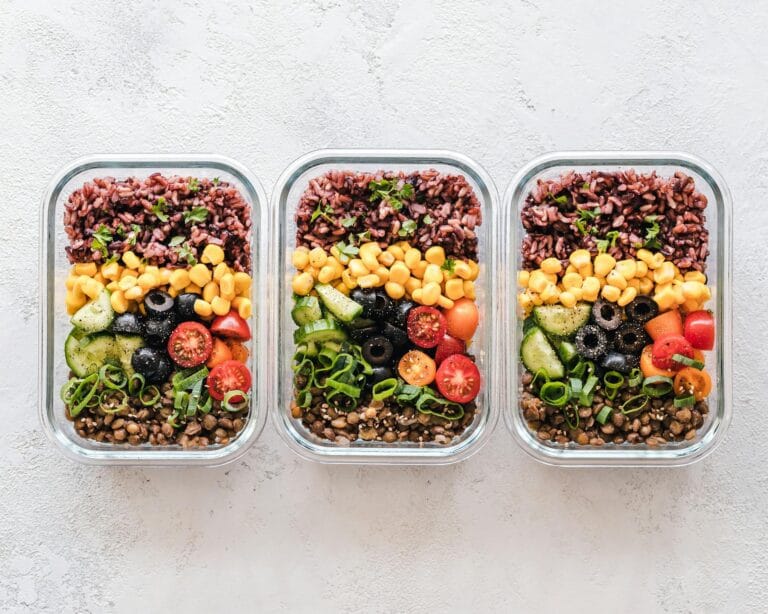
- Lunch: A salad with leafy greens, chickpeas, tomatoes, and an olive oil and lemon dressing, or a lentil soup with whole grain bread
- Snack: A square of dark chocolate and green tea, or almonds with a piece of fruit
- Dinner: Baked salmon with roasted vegetables drizzled in olive oil, or a stir-fry with turmeric, black pepper, and whatever vegetables you have
Notice there’s no calorie counting, no unusual ingredients, and nothing that takes longer than a normal weeknight meal. The pattern is what matters, not perfection on any given day.
Foods to reduce if you want the best results
Anti-inflammatory eating works better when you’re not simultaneously pouring fuel on the fire. You don’t need to give these up completely, but being aware of how often they show up in your diet is worth the attention:
- Refined carbohydrates like white bread, pastries, and most breakfast cereals spike blood sugar quickly, which triggers an inflammatory response
- Processed meats like hot dogs, deli meat, and sausage contain advanced glycation end products (AGEs) that are consistently linked to inflammation
- Sugary drinks, including fruit juice, are among the most direct dietary contributors to elevated inflammatory markers
- Seed oils high in omega-6 fatty acids (corn oil, soybean oil) aren’t necessarily harmful in small amounts, but they dominate most processed food and shift the omega-3 to omega-6 ratio in a direction that promotes inflammation
Frequently Asked Questions
How long does it take for anti-inflammatory foods to make a noticeable difference?
Research suggests that measurable changes in inflammatory markers like CRP can appear within 4 to 8 weeks of consistent dietary change. You might notice smaller things sooner — better energy, less bloating, improved sleep — but the deeper cellular effects build over months of consistent eating patterns.
Do I need supplements if I’m already eating these foods?
For most people, whole food sources are preferable to supplements because they come with fiber, micronutrients, and compounds that work together in ways isolated supplements can’t replicate. Omega-3 fish oil is one of the more evidence-backed supplements if you genuinely don’t eat fatty fish, but it’s a backup, not a first choice.
Can anti-inflammatory eating help with stress and mental health?
Yes, and this is an area of growing research. The gut-brain axis means that what you eat directly affects neurotransmitter production and inflammation in the brain. A 2022 meta-analysis in JAMA Psychiatry found that dietary interventions significantly reduced symptoms of depression, with anti-inflammatory diets showing particularly consistent results across studies.
Final thoughts
Eating to reduce inflammation isn’t a protocol or a short-term cleanse — it’s just a pattern of consistently choosing foods that your body handles well over time. You don’t need to eat perfectly, and you don’t need to track every meal. What matters is that over the course of a week, the foods listed here show up more often than the ones that drive inflammation. Start with one swap this week: replace your cooking oil with extra virgin olive oil and add berries to one meal a day for two weeks. That alone has been shown in clinical trials to reduce CRP levels in otherwise healthy adults.