Decision Fatigue And How To Overcome It
If you’ve ever stood in front of the fridge at 8pm completely unable to decide what to eat for dinner, even after a perfectly productive day, you’ve already experienced decision fatigue, and honestly, figuring out how to overcome it is probably worth your time. I’ve been there more times than I’d like to admit, staring blankly at leftovers like they’re written in a foreign language. Decision fatigue is that sneaky mental exhaustion that builds up the more choices you make throughout the day, and it quietly wrecks your focus, willpower, and mood without you even realizing it. The good news? It’s completely manageable once you understand what’s actually happening in your brain.
What Is Decision Fatigue, Really?
Decision fatigue is the psychological phenomenon where the quality of your decisions deteriorates after making a long string of choices. Your brain, like a muscle, gets tired. And when it’s tired, it takes shortcuts, either making impulsive choices or avoiding decisions altogether. Neither outcome is great, especially when you’re trying to stay productive and on top of your life.
The term was popularized by social psychologist Roy Baumeister, who built on earlier research into ego depletion, the idea that self-control and decision-making draw from a limited mental resource. Think of it like a battery. Every choice you make drains it a little bit, from what to wear to which Slack message to respond to first. By afternoon, that battery is running seriously low.
What makes this particularly sneaky is that it doesn’t feel like tiredness. You might feel totally awake and functional, but your brain is quietly defaulting to the path of least resistance. That’s when you say yes to things you shouldn’t, buy stuff you don’t need, or snap at someone over something totally trivial.
The Science Behind the Drain
This isn’t just a productivity buzzword, the research is solid. According to a 2011 study published in the Proceedings of the National Academy of Sciences, Israeli judges were significantly more likely to grant parole at the beginning of the day or after a food break, and increasingly likely to deny it as the session wore on, regardless of case details. The researchers analyzed over 1,100 judicial rulings and found that the odds of a favorable ruling dropped from around 65% at the start of a session to nearly 0% by the end. That’s a powerful reminder that exhausted decision-making doesn’t just affect what you eat for lunch, it can have real-world consequences for other people too.
More recent research continues to support the same core finding: the more decisions we make, the worse we get at making them. This applies to everyone, executives, students, parents, freelancers. Nobody is immune. Not even the people who seem like they’ve got it all figured out.
Signs You’re Already Dealing With It
It helps to recognize what decision fatigue actually looks like in your daily life before you try to fix it. Here are some common signs:
- You feel strangely exhausted even when you haven’t done much physical activity
- You keep putting off small decisions like replying to emails or picking a restaurant
- You make impulsive purchases or agree to things without thinking them through
- You feel irritable or overwhelmed late in the day without a clear reason
- Simple choices feel weirdly hard, like choosing between two nearly identical options
- You default to “whatever” or “I don’t care” more than you’d like to admit
Sound familiar? Many of us have felt this way and just chalked it up to being tired or disorganized. But you’re not lazy. Your brain is just running on fumes by the time you get to those choices.
How to Overcome Decision Fatigue: A Step-by-Step Approach
The fix isn’t about becoming superhuman or forcing yourself to make better decisions through sheer willpower, that’s precisely what doesn’t work. Instead, the strategy is to reduce how many decisions you’re making in the first place, and to make your most important choices when your mental energy is at its peak.
- Tackle your biggest decisions in the morning. Your decision-making capacity is freshest right after sleep and a meal. Use those first hours for anything that requires real judgment, creative work, strategic planning, important emails, or complex problem-solving. Don’t waste your sharpest mental hours scrolling or catching up on admin.
- Create routines that eliminate low-stakes choices. This is the secret behind why a lot of high-output people wear the same style of outfit or eat the same breakfast on repeat. It’s not a quirk, it’s a deliberate strategy to conserve mental energy. Build routines around your morning, meals, workout schedule, and wind-down time so those decisions are essentially made in advance, on autopilot.
- Batch similar decisions together. Instead of stopping throughout your day to answer one-off questions or make isolated micro-decisions, group them. Respond to all non-urgent messages at two set times per day. Plan your meals for the week on Sunday. Review your to-do list once in the morning rather than constantly re-evaluating priorities. Batching reduces the mental switching cost and keeps your brain in a consistent mode.
- Set decision-making rules in advance. Pre-commitments are powerful. For example: “If I get a social invitation with less than 48 hours notice, I’ll say no by default.” Or: “On weeknights, dinner will come from one of five rotating meals.” These aren’t rigid rules you have to follow forever, they’re mental shortcuts that save you from reinventing the wheel every single time.
- Take real breaks and protect your glucose levels. The Israeli judges study wasn’t just about mental fatigue, it was also about food breaks resetting the judges’ decision quality. Low blood sugar genuinely impairs your ability to think clearly. Don’t skip meals, especially if you have a demanding afternoon ahead. Step away from your desk. Take a walk. Your brain needs physical recovery, not just mental distraction.
- Limit your options on purpose. More choices don’t make us happier, psychologist Barry Schwartz called this the “paradox of choice.” When you’re shopping, working with clients, or setting up systems, consciously constrain your options. Use a capsule wardrobe. Stick to three project management apps you already know. Narrow the field and then commit.
Practical Daily Habits That Actually Help
Beyond the big-picture strategy, there are a handful of smaller habits that can meaningfully reduce decision fatigue when done consistently:
- Write a short “done list” at the end of each day so tomorrow’s priorities are already decided
- Use templates for emails and messages you send repeatedly
- Meal prep on weekends, even loosely, so weekday dinner isn’t a nightly negotiation
- Set a “good enough” standard for low-stakes decisions and stick to it rather than seeking the perfect option
- Say no to optional meetings or commitments that aren’t aligned with your priorities, every yes is a decision, and every unnecessary yes adds cognitive load
- Use time-blocking in your calendar so you’re not constantly deciding what to work on next
None of this requires a total life overhaul. Small, consistent changes in how you structure your day can free up serious mental energy for the things that actually matter to you.
Why Willpower Isn’t the Answer
A lot of productivity advice basically tells you to try harder. Push through. Be more disciplined. But when it comes to decision fatigue, that approach is almost entirely backwards. Willpower is exactly the resource that gets depleted, so trying to use more of it to combat fatigue is like trying to fill a tank by burning more fuel. I know from experience that white-knuckling your way through an exhausted afternoon rarely leads to your best thinking. The real solution is to design your environment and schedule in a way that requires less willpower in the first place. That’s not weakness. That’s just smart system design.
Frequently Asked Questions
Is decision fatigue the same as burnout?
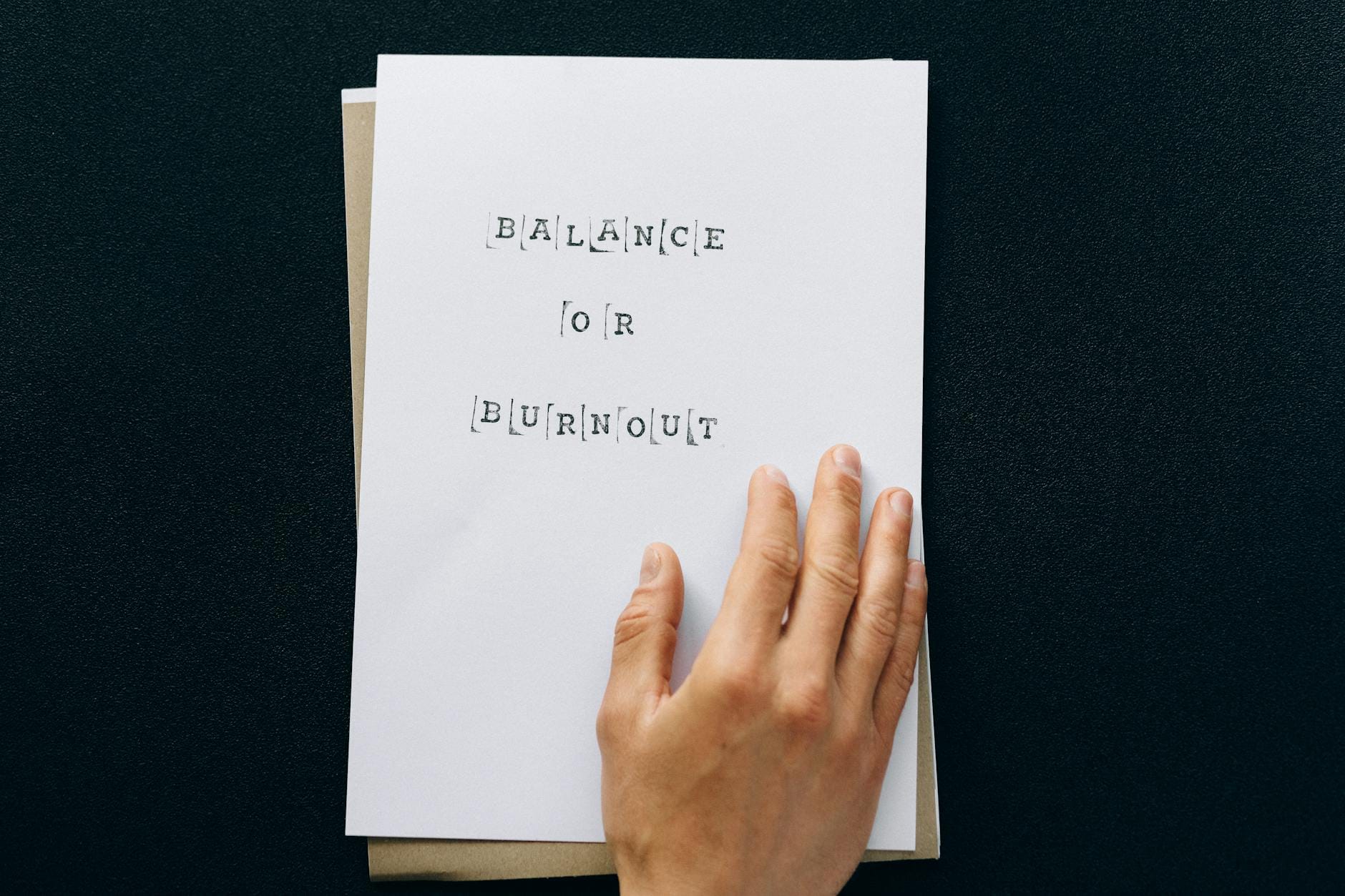
Not exactly. Decision fatigue is a specific form of mental exhaustion caused by the volume of choices you make, and it can happen even on a productive, low-stress day. Burnout is a broader, longer-term state of emotional and physical exhaustion often linked to chronic stress and overwork. That said, chronic decision fatigue can absolutely contribute to burnout if left unaddressed over time.
Can decision fatigue happen even when the decisions seem small?
Absolutely, in fact, small, frequent decisions can be more draining than a few big ones. Your brain doesn’t really distinguish between “should I reply to this text now or later” and “should I accept this job offer” in terms of the mental energy it expends initiating the decision-making process. Volume matters just as much as weight when it comes to cognitive load.
How long does it take to recover from decision fatigue?
Recovery can happen faster than you might expect. A proper meal, a short nap, a 20-minute walk, or even just stepping away from screens for a bit can meaningfully restore your decision-making capacity. Sleep is the most powerful reset, which is why decisions made first thing in the morning tend to be higher quality than those made late at night after a full day.
Final Thoughts
The bottom line is that decision fatigue is one of those invisible productivity drains that most people never think to address, and yet it shapes your choices, your mood, and your output every single day. The fix isn’t about becoming more disciplined or pushing harder. It’s about building smarter structures around your day so your brain has the space to do what it does best when it matters most. Start small: protect your mornings, automate a few low-stakes decisions, and give yourself permission to say “good enough” more often. Over time, those small adjustments add up to a lot more clarity, and a lot less standing frozen in front of the fridge.