Healthy Meal Prep Ideas For The Week
If you’ve been searching for healthy meal prep ideas for the week, I want you to know, you’re already making a smart move just by looking. I’ve spent years figuring out how to eat well without losing my mind over it, and honestly, the secret isn’t willpower or motivation. It’s just having the right food ready when hunger hits. Whether you’re juggling back-to-back meetings, late-night study sessions, or just trying to stop spending $15 on sad desk lunches, a little Sunday prep can completely change how you eat Monday through Friday. This guide walks you through practical strategies, real meal ideas, and a simple system you can actually stick to.
Why Meal Prep Actually Works (The Science Behind It)
Before we get into the specifics, it helps to understand why meal prep is so effective, and it’s not just about saving time. According to a 2017 study published in the International Journal of Behavioral Nutrition and Physical Activity, people who spent more time on home food preparation had significantly better diet quality and were more likely to meet nutritional guidelines. Researchers found that meal planners consumed more fruits, vegetables, and lean proteins compared to those who relied on spontaneous food choices. When healthy food is already made and sitting in your fridge, your brain doesn’t have to fight decision fatigue at the end of a long day.
The psychology is simple: we default to whatever is easiest. I know from experience that if you open the fridge exhausted at 7pm and there’s nothing ready, you’re ordering pizza, and there’s zero judgment in that, but it’s probably not what you were hoping for. If the easiest option in your fridge is a prepped grain bowl with roasted veggies and grilled chicken, that’s what you’ll eat. Meal prep stacks the deck in your favor.
The Building Blocks of a Smart Weekly Prep
The best meal prep systems aren’t about cooking seven identical meals that you’ll hate by Wednesday. Trust me, I’ve been there. Instead, they’re built around flexible components you can mix and match, think of it like stocking a toolkit rather than following a rigid blueprint.
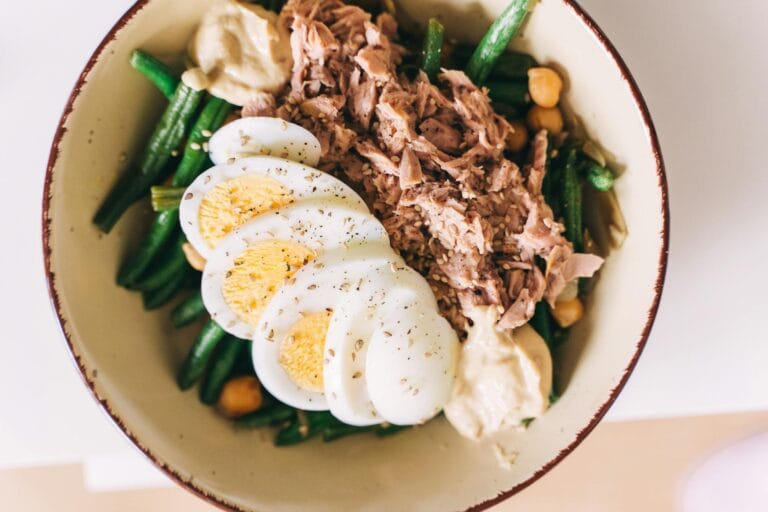
- Proteins: Baked chicken thighs, hard-boiled eggs, canned tuna, baked salmon, cooked lentils, or marinated tofu. Prep two or three options so you don’t get bored.
- Complex carbs: Brown rice, quinoa, roasted sweet potatoes, whole wheat pasta, or farro. These store well and reheat easily.
- Vegetables: Roasted broccoli, bell peppers, zucchini, or a big batch of sautéed greens. Raw veggies like carrots, cucumber, and cherry tomatoes also hold up great all week.
- Healthy fats: Sliced avocado (prep day-of), a jar of tahini, olive oil-based dressings, or mixed nuts for snacking.
- Sauces and flavor boosters: This is what keeps things interesting. Prep a few sauces, a lemon-herb vinaigrette, a simple peanut sauce, or a Greek yogurt-based dressing, and suddenly the same chicken and rice tastes completely different each day.
When you have these components ready, assembling meals takes under five minutes. You’re not cooking every night, you’re just plating.
Healthy Meal Prep Ideas to Rotate Through the Week
Here are some reliable, actually-good-tasting options that hold up well in the fridge for four to five days:
- Grain bowls: Quinoa or brown rice as a base, topped with roasted chickpeas, cucumber, cherry tomatoes, and a drizzle of tahini dressing. Easy to customize daily.
- Overnight oats: Mix rolled oats with Greek yogurt, chia seeds, almond milk, and a bit of honey the night before. Top with fresh fruit in the morning. Takes two minutes before bed.
- Sheet pan chicken and veggies: Toss chicken thighs, broccoli, and sweet potatoes in olive oil and your favorite spices. Roast at 400°F for 35-40 minutes. That’s four or five lunches handled.
- Mason jar salads: Layer dressing on the bottom, then hearty toppings like chickpeas or grains, then greens on top. They stay crisp for three to four days in the fridge.
- Egg muffins: Whisk eggs with diced vegetables, pour into a muffin tin, and bake at 350°F for 20 minutes. You’ve got grab-and-go breakfasts for the entire week.
- Big batch soups or stews: A pot of lentil soup, chicken and vegetable stew, or turkey chili reheats beautifully and genuinely gets better as the week goes on.
- Protein-packed snacks: Pre-portion Greek yogurt cups, string cheese, hummus with veggie sticks, and trail mix so you’re not reaching for chips when the 3 p.m. slump hits.
How to Do Your Weekly Meal Prep in Under 2 Hours
Many of us picture spending an entire Sunday chained to the stove when we think about meal prep, and honestly, that image alone is enough to make most people quit before they start. It doesn’t have to work that way. Here’s a streamlined four-step process that keeps your prep session efficient and genuinely low-stress:
- Plan before you shop. On Friday or Saturday, decide which proteins, carbs, and vegetables you want for the week. Check what you already have, then write a specific grocery list. Buying ingredients without a plan leads to random items that don’t combine into real meals. Keep it simple, two proteins, two carb sources, and three or four vegetables is plenty.
- Batch cook your proteins and grains first. These take the longest, so start them immediately. Get your rice or quinoa going on the stovetop, your chicken or fish in the oven, and your lentils or beans simmering. While those cook, move on to your vegetables.
- Roast and prep your vegetables. While your proteins and grains are cooking, chop vegetables and get a sheet pan into the oven. Roasting is hands-off and takes about 25-30 minutes. While that happens, wash and prep your raw salad vegetables and portion out your snacks into containers.
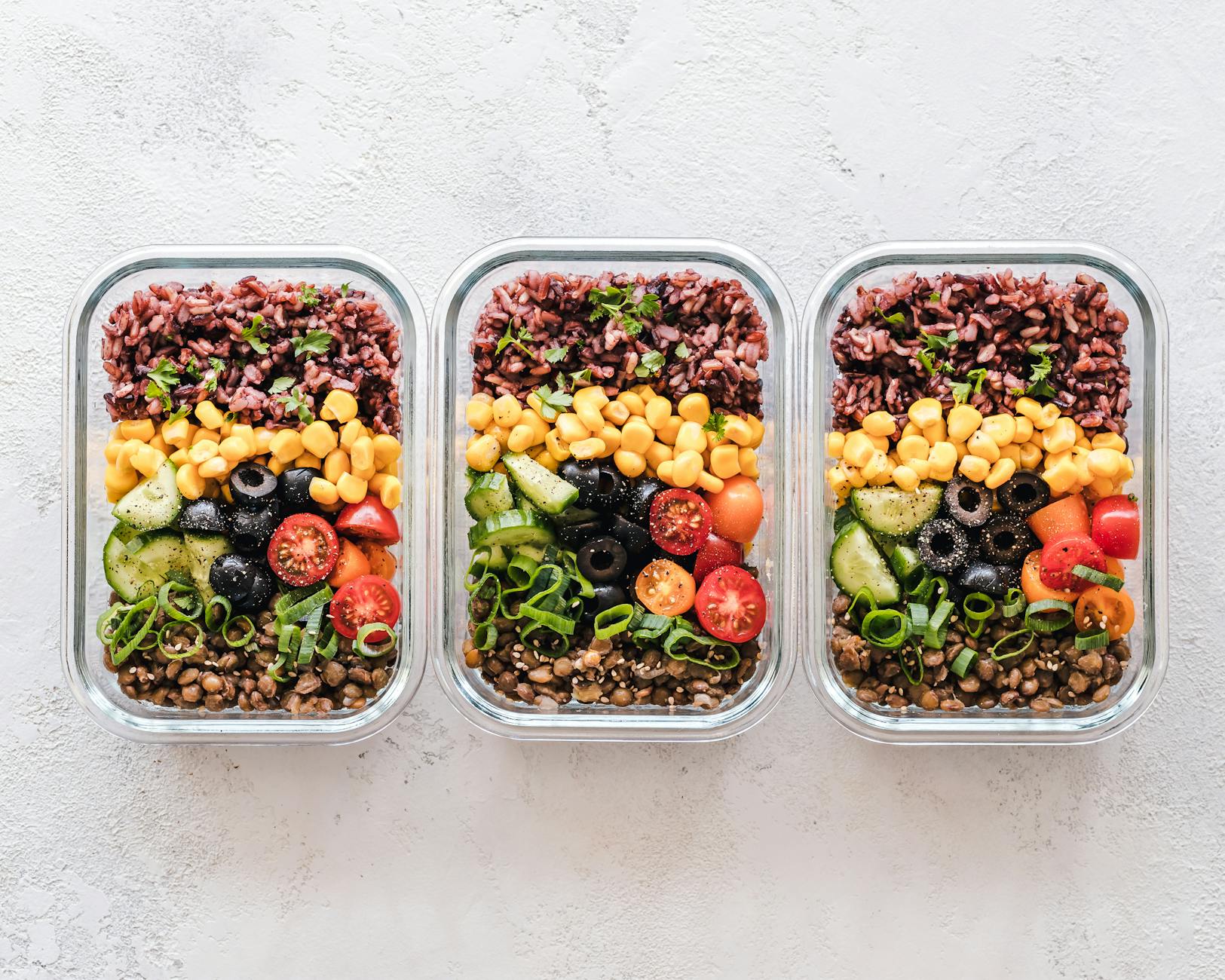
- Assemble, store, and label. Once everything is cooked and slightly cooled, divide your food into glass containers or BPA-free meal prep containers. Label them with the day or meal name if it helps you stay organized. Store meals for days one through three in the fridge and freeze anything you won’t eat until Thursday or Friday to keep it fresh.
That’s genuinely it. With parallel cooking, using your oven and stovetop at the same time, a full week of meals comes together in about 90 minutes to two hours. Put on a podcast or a playlist and it barely feels like work.
Keeping It Interesting So You Don’t Burn Out
The biggest enemy of meal prep isn’t time, it’s boredom. Eating the exact same thing every single day gets old fast, and that’s when people abandon the whole system entirely. A few small habits keep things fresh:
- Rotate your protein each week. If you did chicken this week, try salmon or lentils next week.
- Change your sauces. The same grain bowl with a different dressing tastes like a completely different meal.
- Try one new recipe per month. Keep 90% of your prep familiar and reliable, but introduce something new occasionally to keep it exciting.
- Don’t prep every single thing. Leave room for one or two flexible dinners where you cook something fresh or order a healthier takeout option. Meal prep is a tool, not a life sentence.
Frequently Asked Questions
How long do meal prepped foods actually last in the fridge?
Most cooked proteins, grains, and roasted vegetables stay safe and tasty for four to five days when stored in airtight containers in the refrigerator. Leafy salads and dishes with high moisture content (like soups) are best consumed within three to four days. When in doubt, freeze anything you won’t eat by day four, most prepped meals freeze and reheat really well.
Do I need special containers for meal prep?
You don’t need to spend a lot of money. Glass containers with snap-on lids are ideal because they’re durable, microwave-safe, and don’t absorb odors. BPA-free plastic containers also work fine. Mason jars are great for overnight oats, soups, and salads. The main thing is that your containers seal well and are easy to stack in the fridge.
Can meal prep work if I have dietary restrictions like gluten-free or vegetarian?
Absolutely. Meal prep is actually easier to adapt to dietary restrictions because you control every ingredient. Gluten-free options like rice, quinoa, and sweet potatoes are naturally part of most prep systems. Vegetarian and vegan meal preppers can lean on lentils, chickpeas, tofu, tempeh, edamame, and eggs for protein. The component-based approach outlined in this article works for virtually any eating style.
Final Thoughts
The bottom line is that meal prepping doesn’t have to be a complicated production or a rigid diet plan. At its core, it’s just making sure that when you’re tired, busy, or hungry, there’s already something good waiting for you in the fridge. Start small, even prepping just your lunches for three days is a meaningful win. As you find a rhythm that works for your schedule and your taste, you can scale up from there. The goal isn’t perfection; it’s consistency. And consistency, more than any specific diet or superfood, is what actually makes a difference over time.