How Much Water Should You Drink Per Day
I’ll be honest, hydration is one of those topics I kept putting off learning about properly, and I know I’m not the only one. If you’ve ever wondered how much water should you drink per day, you’re not alone. It’s one of those questions that sounds simple but gets complicated fast, especially when you’re hearing “eight glasses a day” from one source and a completely different number from your doctor. The truth is, your daily water needs depend on a handful of personal factors, and there’s no single magic number that works for everyone. This guide breaks it all down in plain language so you can actually use the information.
Why Staying Hydrated Matters More Than You Think
Water is involved in nearly every function your body performs. It regulates your temperature, cushions your joints, delivers nutrients to your cells, and flushes out waste. When you’re even slightly dehydrated, your energy dips, your focus suffers, and your mood can tank, often before you even feel thirsty.
According to a study published in the Journal of Nutrition, mild dehydration of just 1.36% of body weight was enough to impair mood, increase headache frequency, and reduce concentration in healthy young women. That’s a surprisingly small deficit with a noticeable impact on daily performance.
The point isn’t to scare you, it’s to show you that hydration isn’t just a wellness buzzword. It’s a foundation for how well you function on any given day.
The Standard Recommendation and Where It Comes From
You’ve probably heard the “8×8 rule”, eight 8-ounce glasses of water per day, adding up to about 2 liters or half a gallon. It’s easy to remember, but it’s not exactly rooted in hard science. It’s more of a useful starting point than a precise prescription.
The National Academies of Sciences, Engineering, and Medicine offers more detailed guidance. They suggest a total daily water intake of about 3.7 liters (125 ounces) for men and 2.7 liters (91 ounces) for women. That includes water from all beverages and food combined, not just what you drink straight from a glass.
Food alone typically provides around 20% of your daily fluid intake. Fruits, vegetables, soups, and even coffee contribute to your hydration. So if you’re eating well and drinking consistently throughout the day, you may already be closer to your goal than you realize.
Factors That Change How Much Water You Need
The generic recommendations are a starting point, but your personal water needs can shift quite a bit based on your life circumstances. Here’s what actually influences how much you should be drinking:
- Body size and weight: Larger bodies need more water to maintain proper function. A simple estimate is to drink half an ounce to one ounce of water per pound of body weight each day.
- Physical activity: Exercise increases fluid loss through sweat. If you work out regularly or have a physically demanding job, your needs go up significantly, sometimes by a liter or more on active days.
- Climate and environment: Hot or humid weather causes you to sweat more. High altitude locations also increase water loss through respiration. If you’ve recently moved or are traveling somewhere warm, bump up your intake.
- Health status: Certain conditions like kidney stones, urinary tract infections, and fever increase your fluid requirements. Pregnancy and breastfeeding also raise daily needs considerably.
- Diet composition: A diet heavy in salty, processed foods will increase your thirst and water needs. A whole-food diet with plenty of produce naturally supports better hydration.
- Alcohol and caffeine: Both have mild diuretic effects, meaning they can increase how much fluid you lose. You don’t need to avoid them, but it’s worth compensating with a bit of extra water when you consume them.
How to Actually Hit Your Daily Water Goal
Knowing how much water you need is one thing. Building a habit around it is another. I know from experience that the intention is always there, it’s the follow-through that gets tricky. These four steps make the process realistic and sustainable without turning hydration into a chore.
- Start your morning with a full glass of water before anything else. After six to eight hours of sleep, your body is naturally in a mild state of dehydration. Drinking 8 to 16 ounces first thing in the morning replenishes what was lost overnight and jumpstarts your metabolism. It’s one of the easiest habits to add because the trigger is already there, you just woke up.
- Use a marked water bottle and set hourly reminders. Tracking your intake throughout the day removes the guesswork. A 32-ounce bottle that you refill twice gets most people to 64 ounces before dinner. If remembering to drink is the problem, set a phone alarm every 90 minutes as a nudge, most people stop needing reminders after a few weeks once the habit sets in.
- Tie your water intake to existing daily routines. Drink a glass before each meal, after every bathroom break, and before your afternoon coffee. Attaching water to habits you already have is much more reliable than trying to remember randomly throughout the day. This method can add three to four glasses to your intake with minimal effort.
- Check your urine color as a real-time hydration gauge. This sounds blunt, but it’s one of the most practical tools available. Pale yellow means you’re well hydrated. Dark yellow or amber means you need more water now. Clear urine can sometimes mean you’re overdoing it. Use this as feedback rather than relying entirely on thirst, which tends to show up late in the dehydration process.
Can You Actually Drink Too Much Water?
Yes, though it’s rare for healthy adults under normal circumstances. Drinking an excessive amount of water in a short period can dilute sodium levels in your blood, leading to a condition called hyponatremia. Symptoms include nausea, headaches, confusion, and in severe cases, it can become dangerous.
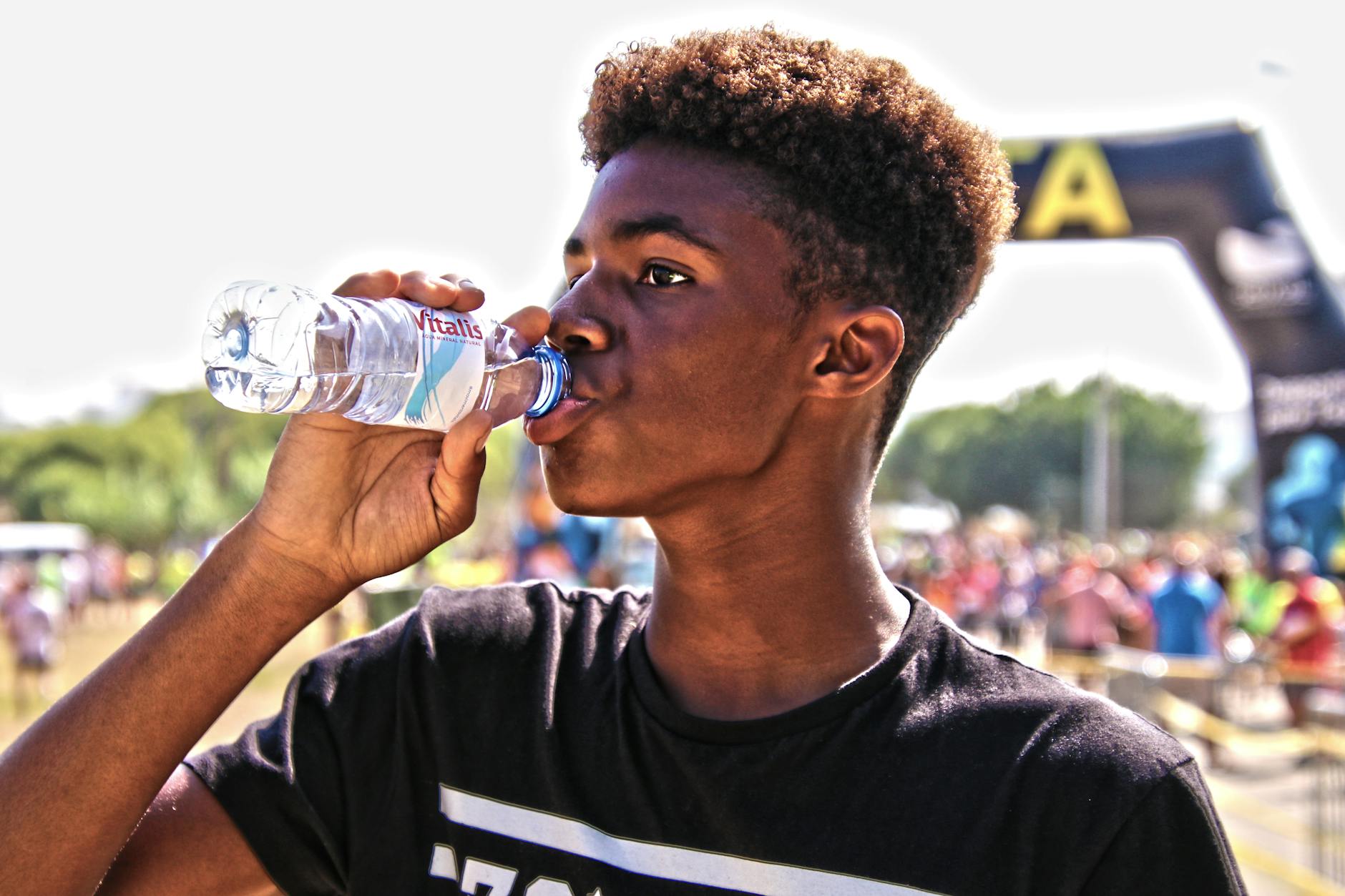
This typically happens to endurance athletes who drink large quantities of plain water during prolonged events without replacing electrolytes. For the average person going about their daily life, drinking slightly more water than needed just means more bathroom visits, not a health risk.
The bottom line: unless you’re drinking multiple liters in a single hour or competing in a marathon, overhydration is not something most people need to worry about. Focus on consistent, steady intake throughout the day rather than chugging large amounts at once.
Signs You Might Be Chronically Dehydrated
Chronic mild dehydration often flies under the radar because people adapt to feeling slightly off. Many of us have pushed through sluggish afternoons for years without ever connecting it back to how little we’d actually drunk that day. These are signs worth paying attention to if they show up regularly:
- Persistent fatigue in the afternoon that isn’t explained by poor sleep
- Frequent headaches, especially later in the day
- Dry skin and lips even when using moisturizer
- Brain fog or difficulty concentrating for extended periods
- Constipation or infrequent bowel movements
- Feeling hungry shortly after eating a full meal
Many people mistake dehydration symptoms for hunger, stress, or simply being tired. Before reaching for a snack or a second coffee at 3pm, try drinking a full glass of water first and waiting ten minutes. The results can be surprisingly immediate.
Frequently Asked Questions
Does coffee or tea count toward my daily water intake?
Yes, it does. Despite their mild diuretic properties, coffee and tea still contribute net fluid to your body. Research has shown that moderate consumption, up to about four cups per day, does not cause dehydration in people who drink them regularly. That said, they shouldn’t replace plain water entirely, especially if you’re active or in a hot environment.
Should I drink more water if I’m trying to lose weight?
Drinking more water can support weight management in a few ways. It helps you feel fuller before meals, which can reduce overall calorie intake. Some research suggests drinking cold water may slightly boost metabolism, though the effect is modest. More practically, replacing caloric beverages like soda and juice with water reduces daily calorie intake without much effort. It’s not a weight loss solution on its own, but it’s a smart supporting habit.
Is sparkling water just as hydrating as still water?
Yes. Carbonated water hydrates your body just as effectively as still water. The bubbles come from dissolved carbon dioxide, not anything that affects how your body absorbs fluid. Some people find sparkling water easier to drink in larger quantities, which can actually help them hit their daily goals. The only thing to check is whether your sparkling water has added sodium or sugar, plain sparkling water is a perfectly fine choice.
Final Thoughts
Figuring out how much water you should drink per day doesn’t require a complicated formula or obsessive tracking. For most healthy adults, aiming for roughly 2.5 to 3.5 liters of total fluid daily, adjusting for your size, activity level, and environment, is a reasonable and achievable target. Start your mornings with water, carry a bottle with you, check your urine color as a quick gut-check, and pay attention to how your energy and focus respond as you improve your habits. Hydration is one of the lowest-effort, highest-return investments you can make in your daily health. Small, consistent changes add up quickly, and your body will let you know when you’re getting it right.