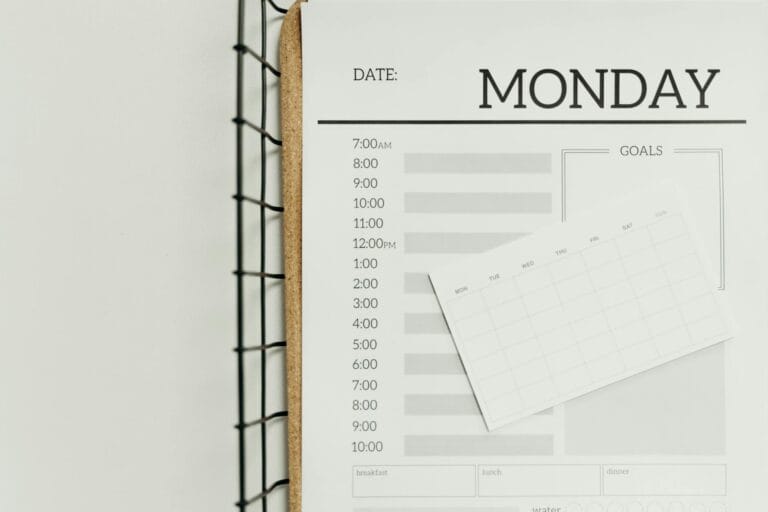

How To Balance Work And Personal Life
If you’ve ever found yourself answering work emails at 10 PM while pretending to watch a movie, you already know the struggle. I’ve been there more times than I’d like to admit, half-watching a show I actually wanted to enjoy while mentally drafting a reply to something that absolutely could have waited until morning. Learning how to balance work and personal life is one of the most searched productivity topics online, and for good reason. The boundary between “work hours” and “your hours” has never been blurrier, especially for people in their 20s and 30s who are building careers, relationships, and identities all at the same time. The good news? Balance isn’t some mythical state reserved for people with fewer responsibilities. It’s a skill you can actually build.
Why Work-Life Balance Feels So Hard Right Now
Let’s be honest about something. The traditional advice, “just leave work at the office”, doesn’t hold up anymore. Remote work, side hustles, Slack notifications, and the always-on culture of modern careers have fundamentally changed what “after work” even means. A lot of people aren’t overworked because they’re bad at time management. They’re overworked because the systems around them were designed without clear stopping points.
According to a 2023 Gallup report, 44% of employees worldwide said they experienced a lot of stress the previous day, a near-record high. That number isn’t abstract. It shows up as snapping at your partner, skipping the gym, lying awake at 2 AM replaying your to-do list. Many of us have felt that particular kind of exhaustion where you’re not even sure what you’re tired from anymore, work, worry, or just the constant toggling between the two. Chronic overwork isn’t just unpleasant. Research consistently links it to higher rates of anxiety, cardiovascular disease, and burnout that can take months to recover from.
The first step toward real balance is accepting that balance doesn’t mean equal hours. It means intentional hours. You don’t need a perfectly symmetrical split between work and life. You need work and life to each get your full attention when they deserve it, and neither one bleeding into the other constantly.
Set Boundaries That Actually Stick
Most advice about boundaries sounds great in theory and collapses in practice. “Stop checking email after 6 PM” is easy to say. But when your boss messages at 6:15 and your brain is wired to respond, good intentions don’t cut it. You need structural boundaries, not just willpower-based ones.
Start by identifying your non-negotiables. These are the personal activities you refuse to cancel for work unless something is genuinely on fire. A weekly dinner with your partner. Your Saturday morning run. Your Thursday therapy appointment. Write them down. Put them in your calendar before you schedule anything else. When those slots are already blocked, they become harder to sacrifice.
Communicate those limits to the people you work with. You don’t have to make a big announcement. A simple, matter-of-fact message, “I’m typically offline after 7 PM and will respond in the morning”, sets expectations without drama. Most managers and colleagues respect this more than you’d expect. What they resist is unpredictability, not boundaries.
Also consider a physical or ritual end-of-day signal. Shut your laptop. Change your clothes. Take a short walk. Your brain associates environments and routines with mental states. A consistent “closing ritual” trains your nervous system to actually decompress instead of staying in work mode indefinitely.
A Step-by-Step System for Restructuring Your Week
Instead of vague intentions, use a concrete weekly structure. This doesn’t mean micromanaging every hour of your life. It means giving yourself a framework so decisions about where to put your time become easier and faster.
- Audit the current week honestly. Before you change anything, track how you actually spend your time for five to seven days. Not how you think you spend it, how you actually do. Most people are shocked to discover how many hours disappear into low-priority tasks, reactive email, or mindless scrolling. You can’t fix what you haven’t measured.
- Identify your energy peaks and plan accordingly. Not all hours are equal. If you do your sharpest thinking between 9 AM and noon, protect that window for deep work. Move meetings, admin tasks, and emails to your lower-energy periods. This alone can make your workday feel significantly shorter because you’re actually productive, not just busy.
- Design your ideal weekly template. Map out what a good week looks like, not a perfect week, a realistic good one. Block time for focused work, meetings, exercise, family time, and recovery. Treat this template as your default. Some weeks will break it. That’s fine. The template gives you something to return to.
- Build in transition time between roles. One of the most underrated causes of imbalance is role-switching without recovery. Going straight from an intense work call to being a patient, present partner or parent is neurologically hard. Give yourself 10 to 15 minutes between major role shifts, even a short walk or a few minutes of silence, to mentally decompress before showing up for the next thing.
- Review and adjust weekly, not annually. A monthly or quarterly review is better than nothing, but a short weekly check-in, even 15 minutes on Sunday evening, lets you catch imbalances before they become chronic. Ask yourself what worked, what drained you, and what you want to protect in the coming week.
Protecting Personal Time Without Guilt
Here’s something nobody tells you enough: protecting your personal time is productive. Taking your lunch break away from your desk, actually using your vacation days, and spending evenings doing things you enjoy are not luxuries. They are recovery strategies that make your working hours more effective.
Neuroscience backs this up. The brain’s default mode network, the system that handles creativity, problem-solving, and insight, activates most strongly during rest. The shower breakthrough. The walk where the solution suddenly appears. These aren’t accidents. They’re what happens when your brain gets the downtime it needs to process and connect information. Constant busyness short-circuits that process.
Guilt about “not working enough” is real for a lot of ambitious people in their 20s and 30s. I know from experience that hustle culture content makes this so much worse, it frames rest as laziness and productivity as moral virtue, and after enough exposure, you start believing it. Push back on that framing. You are not your output. Your job is one part of who you are, not the whole of it.
Making Time for Relationships and Health
Two things consistently get deprioritized when work expands: physical health and close relationships. Both happen to be among the strongest predictors of long-term happiness and resilience, which means neglecting them doesn’t just hurt your personal life. It eventually hurts your work too.
Exercise is worth treating as non-negotiable. Even 20 to 30 minutes of movement three or four times per week has measurable effects on stress, focus, sleep quality, and mood. Schedule it the same way you’d schedule a meeting with your most important client. If it’s not in the calendar, it will get bumped every time something “urgent” comes up.
Relationships require scheduled attention too, especially as life gets busier. Intentional time with the people you care about, not just existing in the same house while both of you scroll, matters. Regular check-ins, phone calls, shared meals, and activities you genuinely enjoy together act as anchors. They remind you what you’re working for in the first place.
When Imbalance Is Systemic, Not Personal
Sometimes the problem isn’t your habits. Sometimes it’s your job. If you consistently work 60-plus hours a week not because of a temporary crunch but because it’s the baseline expectation, no amount of journaling or morning routines will fix it. That’s a structural issue.
It’s worth having a direct conversation with your manager about workload and expectations. If that conversation goes nowhere, it may be time to explore whether the role, team, or company is genuinely compatible with the life you want. That’s not a failure. That’s being honest with yourself about what you need.
Frequently Asked Questions
Is it realistic to achieve work-life balance in a demanding career?
Yes, though it looks different in high-demand careers. Balance isn’t about working fewer hours necessarily, it’s about having recovery time, protecting your health, and maintaining relationships. Many high-performing professionals do this by becoming fiercely intentional about their non-work hours rather than trying to shrink their work hours dramatically.
How do you stop work stress from spilling into your personal life?
A consistent end-of-day ritual helps significantly, something physical or behavioral that signals to your brain that work is done. Exercise, a short walk, or even a brief journaling session can help offload mental residue from the workday. Limiting work-related screen time in the evening also prevents the stress cycle from restarting just before bed.
What should I do if my employer doesn’t respect my personal time?
Start by setting clear expectations in writing, response time policies, availability hours, and stick to them consistently. If boundary-setting leads to retaliation or ongoing pressure, that’s information about the culture. Document what’s happening and, depending on severity, speak with HR or consider whether the role aligns with your needs long-term.
Final Thoughts
The bottom line is that balancing work and personal life isn’t about achieving some static equilibrium. It’s about staying aware of where your time and energy are going, making regular adjustments, and protecting the parts of your life that actually make work worth doing. You don’t need a perfect system. You need a good enough system that you actually use. Start with one change this week, block one personal commitment in your calendar and treat it as immovable. That one habit, repeated consistently, builds the foundation for everything else. Your life outside of work isn’t an afterthought. It’s the point.
Related Articles
- How To Deal With Burnout At Work
- Energy Management Vs Time Management
- How To Set Boundaries Without Feeling Guilty