How To Boost Immune System Naturally
If you’ve been Googling how to boost immune system naturally, you’re already ahead of the curve. Most people only think about immunity when they’re already sick, sneezing through a deadline or dragging themselves to class on three hours of sleep and a gas station coffee. The good news is that your immune system is surprisingly responsive to the choices you make every day, and you don’t need expensive supplements or a complete lifestyle overhaul to see real results. Small, consistent habits build a stronger defense over time, and that’s exactly what this guide is about.
Why Your Immune System Needs More Attention Than You Think
Your immune system isn’t a single organ, it’s a complex network of cells, proteins, and processes that work around the clock to protect you from viruses, bacteria, and other threats. The tricky part is that this system is deeply sensitive to lifestyle factors like sleep, stress, diet, and movement. When any one of these falls apart, which happens often when you’re grinding through a busy week, your immune response can take a real hit.
According to a 2023 review published in Nutrients, nutritional deficiencies, particularly in vitamins C, D, and zinc, are among the most common contributors to impaired immune function in otherwise healthy adults. That means a lot of people walking around thinking they’re fine are actually leaving their bodies under-equipped to fight off illness. The fix, thankfully, is more approachable than most people expect.
The Foundation: Sleep, Stress, and the Big Stuff
Before we get into specific tactics, let’s be honest about the two things that quietly wreck immune health more than almost anything else: poor sleep and chronic stress. I know from experience that when life gets hectic, these are the first things to go, and they’re also the most expensive to ignore. If you’re consistently sleeping fewer than seven hours a night or running on constant anxiety, no supplement or superfood is going to compensate for that. Your body does a significant amount of immune maintenance and cellular repair during deep sleep. Cut that short, and you’re essentially skipping quality control at the factory.
Stress is equally sneaky. Short bursts of stress are actually fine, they can sharpen focus and even temporarily boost certain immune responses. But the low-grade, never-ending stress that comes from packed schedules, financial pressure, or screen overload suppresses immune function over time. The hormone cortisol, when chronically elevated, directly inhibits the production of immune cells called lymphocytes. Managing stress isn’t just good for your mental health, it’s literally protective at a biological level.
- Aim for 7–9 hours of sleep per night as a non-negotiable baseline
- Try a 10-minute wind-down routine before bed: no screens, dim lights, light stretching
- Build short stress-relief breaks into your day, even a 5-minute walk outside counts
- Consider breathwork or progressive muscle relaxation if formal meditation feels too slow
- Set a consistent wake time, even on weekends, this stabilizes your circadian rhythm and immune regulation
What to Eat to Support Immune Function
Your gut is home to roughly 70% of your immune system, which means what you eat has a direct line to how well your body defends itself. You don’t need to go full organic or start juicing celery every morning. What actually matters is consistency with a few key food categories.
Focus on colorful vegetables and fruits, not because it’s trendy, but because the different pigments (called phytonutrients) signal a variety of antioxidants and vitamins your immune cells rely on. Vitamin C, found in bell peppers, citrus, and kiwi, supports the production and function of white blood cells. Vitamin D, which most desk workers are chronically low in, regulates immune responses and is found in fatty fish, egg yolks, and fortified foods. Zinc, present in pumpkin seeds, legumes, and lean meats, is essential for immune cell development. Many of us have felt that afternoon slump after a lunch of ultra-processed food, that sluggishness is your body telling you something.
- Eat fermented foods like yogurt, kefir, kimchi, or sauerkraut regularly to support gut microbiome health
- Add garlic and ginger to meals, both have well-documented antimicrobial and anti-inflammatory properties
- Don’t skip protein; immune cell production depends on amino acids from protein sources
- Stay consistently hydrated, dehydration impairs mucus membrane function, your first physical barrier against pathogens
- Limit ultra-processed foods and excess sugar, which promote inflammation and can suppress immune activity after consumption
How to Boost Immune System Naturally: A Step-by-Step Daily Plan
Knowing what helps is one thing, actually doing it is another. Here’s a practical, low-friction daily framework you can start using this week. It’s designed for people who are busy, not for people with unlimited time and a personal chef.
- Start your morning with sunlight and movement. Get outside within an hour of waking, even for just 10 minutes. Natural light helps regulate cortisol timing and supports vitamin D production. Add a short walk or light exercise, even 20 minutes of moderate movement has been shown to improve immune cell circulation.
- Build an immune-supportive breakfast. Skip the pure-sugar options and go for something with protein, healthy fat, and a fruit or vegetable. Greek yogurt with berries and a handful of nuts, or eggs with spinach and avocado, give your body the raw materials it needs early in the day.
- Take a midday stress break, and actually take it. Set a 10-minute timer during lunch or mid-afternoon. Step away from your screen. Eat without multitasking. Even this small pattern, done consistently, lowers inflammatory markers over time.
- Prioritize your gut with one fermented food daily. This doesn’t have to be complicated. A serving of yogurt with lunch, a small portion of kimchi with dinner, or a glass of kefir before bed all count. Diversity in your gut bacteria is one of the most powerful immune regulators we know of.
- Set a firm sleep boundary. Decide what time you need to wake up, count back 8 hours, and treat that bedtime like a meeting you can’t cancel. Dim your lights an hour before, put your phone in another room, and let your body do its overnight immune maintenance work.
Supplements Worth Considering (and What to Skip)
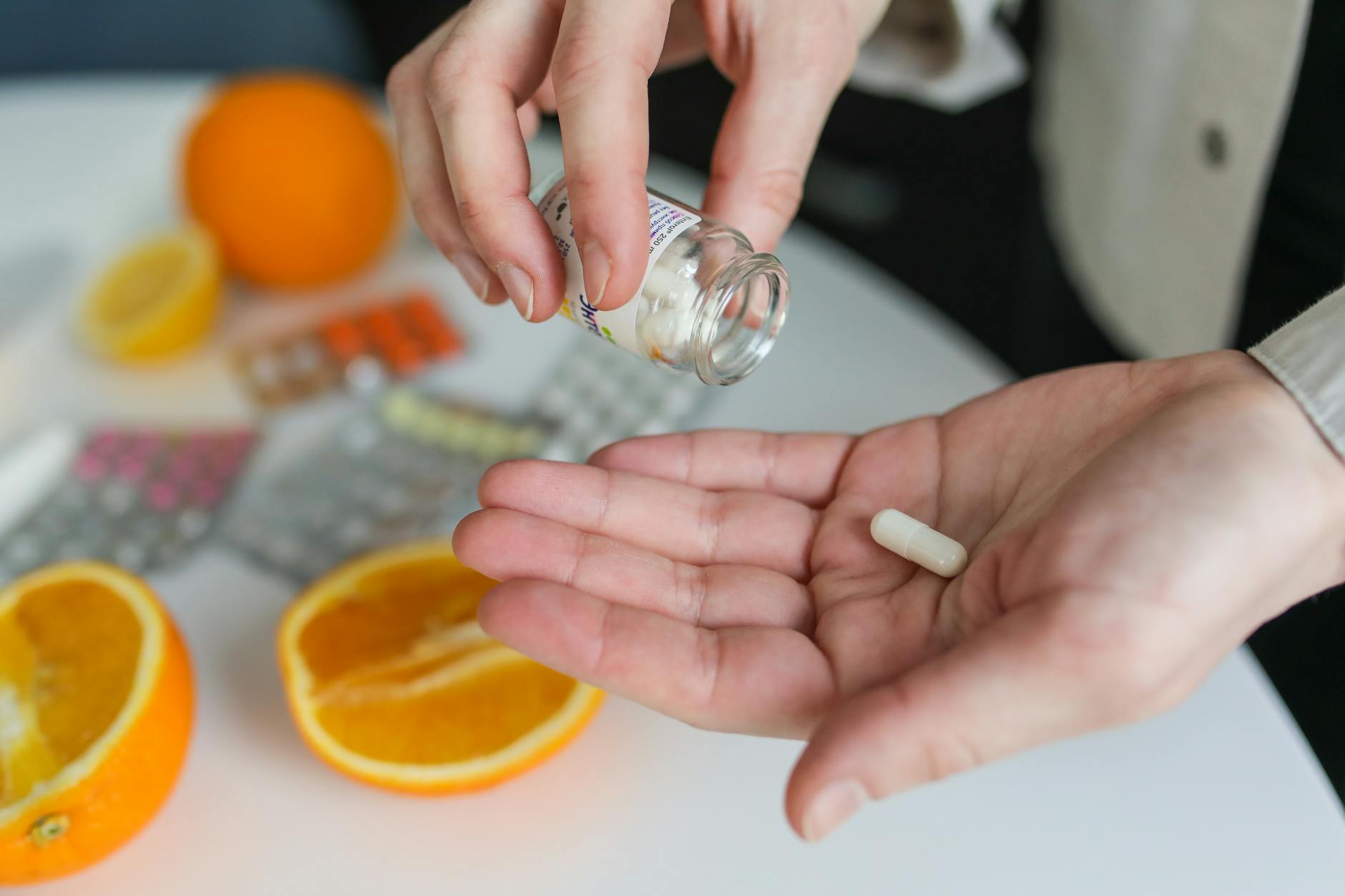
Let’s talk supplements briefly, because they’re everywhere and the marketing is aggressive. The honest answer is that most people don’t need a cabinet full of immune boosters, they need to fix the basics first. I’ve seen so many people spend a fortune on supplements while still staying up until 2am scrolling their phones. That said, a few supplements have solid evidence behind them and are worth considering if your diet has gaps.
- Vitamin D3: If you live in a northern climate, work indoors, or rarely get sun, supplementing with 1,000–2,000 IU daily is widely recommended by healthcare providers
- Zinc: Particularly useful during high-exposure periods; look for zinc picolinate or zinc gluconate for better absorption
- Elderberry: Has some evidence for reducing the duration of cold symptoms, though it’s not a prevention tool on its own
- Probiotics: Useful if you’ve recently taken antibiotics or have gut health issues, otherwise, food sources are generally sufficient
- Skip the mega-dose everything approach, more isn’t always better, and fat-soluble vitamins like A and D can accumulate to toxic levels
Frequently Asked Questions
How long does it take to see results when improving immune health naturally?
Most people notice fewer minor illnesses and faster recovery times within four to eight weeks of consistent lifestyle changes. Things like better sleep and reduced stress can improve immune markers in as little as two weeks. This isn’t about a quick fix, it’s about building a system that works better over time.
Can exercise help boost the immune system, and how much is enough?
Yes, moderate exercise is one of the most well-researched natural immune supporters. Aim for at least 150 minutes of moderate-intensity activity per week, brisk walking, cycling, swimming, or whatever you’ll actually stick to. The key word is moderate: extreme overtraining without adequate recovery can temporarily suppress immune function, so rest days matter too.
Are there any natural remedies that actually work for preventing colds?
Honestly, nothing is proven to completely prevent colds, but some things meaningfully reduce risk and duration. Consistent sleep, regular handwashing, vitamin D adequacy, and stress management all have solid evidence. Zinc lozenges taken at the first sign of symptoms have shown some benefit in shortening cold duration in studies. Think of prevention as a stacking game, no single remedy does it all, but layering smart habits makes a real difference.
Final Thoughts
The bottom line is that building a stronger immune system naturally isn’t about perfection or following some rigid protocol, it’s about making your default habits work for your health instead of against it. Sleep a little more. Eat a little more color. Move your body regularly, protect your gut, and find small ways to decompress. These aren’t groundbreaking ideas, but they work precisely because they compound over time. Start with one change this week, stick with it, and build from there. Your immune system will notice.