How To Build Healthy Eating Habits
Learning how to build healthy eating habits is one of the most practical investments you can make in your long-term energy, focus, and mood, and it does not require a complete lifestyle overhaul. If you are a busy professional juggling deadlines or a student managing classes and side projects, the idea of eating well can feel overwhelming. The good news is that small, consistent changes work better than dramatic cleanses or rigid meal plans. This guide breaks down what actually works, backed by research and real-world application.
Why most eating habit advice fails busy people
Most nutrition advice assumes you have unlimited time, a fully stocked kitchen, and iron willpower. That is not the reality for most people aged 22 to 40. The advice to “meal prep six containers on Sunday” sounds great until Sunday arrives and you have laundry, errands, and a friend’s birthday to deal with.
The real problem is that popular nutrition tips focus on what to eat rather than how to build a system around eating. A system works on autopilot. Motivation does not. That shift in thinking is where lasting change begins.
According to a 2023 study published in Nature Medicine, ultra-processed foods made up more than 57% of caloric intake in the average American diet, and higher consumption was directly linked to increased risks of anxiety and depression. That number is striking, but it also shows that most people are not failing out of laziness. They are eating whatever is most available and convenient. The fix, then, is changing what is available and convenient in your own environment.
The environment shapes your choices more than willpower does
Your kitchen, office desk, and commute route all influence what you eat before you even make a conscious decision. This is called the choice architecture around food, and researchers like Cornell University’s Brian Wansink spent years documenting how placement, visibility, and convenience drive consumption far more than intention.
Practical ways to redesign your food environment include:
- Keeping a bowl of fruit on the counter instead of inside the refrigerator drawer
- Storing chips, cookies, or other snacks in a cabinet that requires a step stool or extra effort to reach
- Pre-washing and cutting vegetables right after grocery shopping so they are grab-and-go ready
- Keeping a water bottle at your desk so hydration is the path of least resistance
- Placing protein-rich snacks like hard-boiled eggs or Greek yogurt at eye level in the fridge
None of these steps require you to ban anything from your home. They just make the better choice the easier choice. Over a few weeks, easier choices become default choices, and default choices become habits.
How to build healthy eating habits step by step
This process is designed to be stacked gradually, not completed all at once. Start with Step 1 and only move to the next when the previous one feels automatic, usually within one to two weeks.
- Anchor meals to an existing routine. Pick one meal, breakfast works well, and commit to eating it at the same time each day tied to something you already do, like making coffee. Consistency at one meal reduces decision fatigue for the rest of the day and trains your body to expect regular fuel.
- Add before you subtract. Before cutting anything out, focus on adding one vegetable or protein source to your existing meals. If you usually eat a plain bagel at your desk, add a boiled egg alongside it. This builds a positive association with healthy food rather than a sense of deprivation.
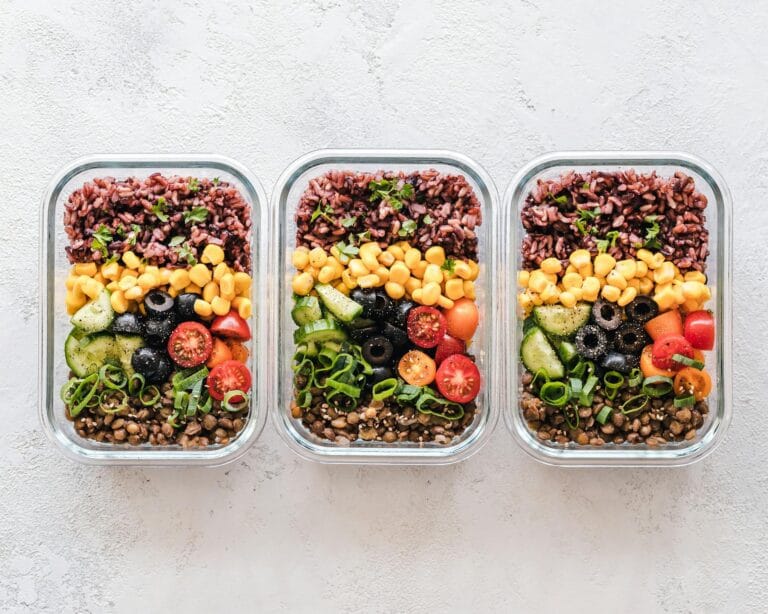
- Batch one ingredient, not full meals. Full meal prep is time-consuming. Batching a single ingredient is not. Cook a pot of brown rice, a tray of roasted vegetables, or a batch of grilled chicken on one day and mix it into different meals throughout the week. This removes the hardest part of eating well, starting from zero when you are already hungry.
- Use the plate method as a loose guide. Fill roughly half your plate with vegetables or salad, a quarter with a protein source, and a quarter with a whole grain or starchy vegetable. This is not a strict rule, it is a visual reference that takes about two seconds to apply and works across almost any type of cuisine, from a rice bowl to a wrap to a stir-fry.
- Build in a planned flex meal each week. Labeling meals as “cheat meals” creates a binary of good and bad eating that makes one slip feel like total failure. Instead, plan one or two meals per week where you eat exactly what you want, no tracking, no adjustments. This removes the psychological pressure that causes most people to abandon healthy eating habits entirely.
- Review and adjust every two weeks. Habits are not set and forget. Every two weeks, ask yourself which part of your eating felt natural and which felt like a fight. Double down on what is working and change what is not. Consistent small adjustments outperform rigid plans that fall apart after one bad week.
What to do when your schedule falls apart
Travel, crunch periods, exams, and late nights are not exceptions to normal life, they are part of it. Building healthy eating habits means building a fallback plan for when your routine disappears.
A useful approach is to identify three to five meals or snacks you can always access no matter how busy or tired you are. These might include:
- A protein shake with a banana
- Canned sardines or tuna on whole grain crackers
- Microwavable rice with frozen edamame and soy sauce
- Greek yogurt with a handful of nuts
- A burrito bowl from a fast-casual restaurant where you can control the ingredients
These are not perfect meals. They are nutritionally reasonable options that require almost no effort. Having them ready in your mind means you default to something decent instead of whatever is closest when hunger takes over.
The role of sleep and stress in what you eat
Eating habits do not exist in isolation. Sleep and stress directly affect hunger hormones, specifically ghrelin (which signals hunger) and leptin (which signals fullness). When you sleep fewer than seven hours, ghrelin rises and leptin drops, making you feel hungrier the next day and less satisfied after eating. This is not a willpower problem, it is a hormonal one.
If you are eating well but still craving sugar and processed food constantly, look at your sleep first. Even moving from six hours to seven hours of sleep can measurably reduce cravings within a week. That small shift in your sleep schedule can do more for your diet than any specific food rule.
Frequently Asked Questions
How long does it take to build a healthy eating habit?
Research published in the European Journal of Social Psychology by Phillippa Lally found that habit formation takes an average of 66 days, not the commonly cited 21 days. This varies by person and complexity of the habit. Simpler behaviors like drinking water with every meal form faster than more involved ones like cooking dinner from scratch four nights a week. Expect gradual, not instant, results.
Do I need to count calories to eat healthily?
No. Calorie counting is one tool, not a requirement. Many people improve their diet significantly by focusing on food quality and hunger cues rather than numbers. That said, if you have a specific body composition goal, tracking for a few weeks can help you understand portion sizes without making it a permanent practice. Use it as education, not a lifelong obligation.
What is the single most effective change for someone just starting out?
Eat a protein-rich breakfast within an hour of waking up. This stabilizes blood sugar, reduces mid-morning cravings, and sets a productive tone for the day’s eating. It is one change with a disproportionate ripple effect across the rest of your food choices, and it requires no special equipment or complicated recipes.
Final thoughts
Building healthy eating habits is a process of small, repeatable decisions that compound over time, not a strict set of rules to follow perfectly. The steps in this guide are designed to fit into a real schedule with real constraints. Start with one change this week, pick something from the environment redesign section or commit to a protein-rich breakfast for seven days straight. Research from the Harvard T.H. Chan School of Public Health shows that people who improve diet quality over time, even moderately, reduce their risk of early mortality by up to 20%. One habit, started today, matters more than a perfect plan that starts next Monday.