How To Get A Flat Stomach Without Exercise
If you’ve been searching for how to get a flat stomach without exercise, you’re not alone — and more importantly, you’re not out of options. Whether you’re glued to a desk for eight hours, juggling classes, or just not in a place where hitting the gym feels realistic, there are real, science-backed habits that can reduce belly bloat and trim your midsection without a single crunch. This article covers the strategies that actually work, explained plainly, without the fitness influencer guilt trip.
Why belly fat builds up in the first place
Before jumping into solutions, it helps to understand the problem. Belly fat falls into two categories: subcutaneous fat (the soft layer just under the skin) and visceral fat (the deeper fat surrounding your organs). Visceral fat is the more dangerous type, linked to insulin resistance and cardiovascular disease. The good news is that visceral fat responds well to dietary and lifestyle changes, even without structured exercise.
Stress, poor sleep, processed food, and excess alcohol are four of the biggest drivers of abdominal fat accumulation. Each of these factors raises cortisol levels, which signals your body to store fat around the midsection. That means fixing your belly has a lot more to do with your daily habits than your workout schedule.
What you eat matters more than how much you move
According to a 2023 study published in the Journal of the Academy of Nutrition and Dietetics, diet quality was responsible for approximately 80% of body composition changes in sedentary adults over a 12-week period. In other words, what you put on your plate carries far more weight than whether you make it to the gym.
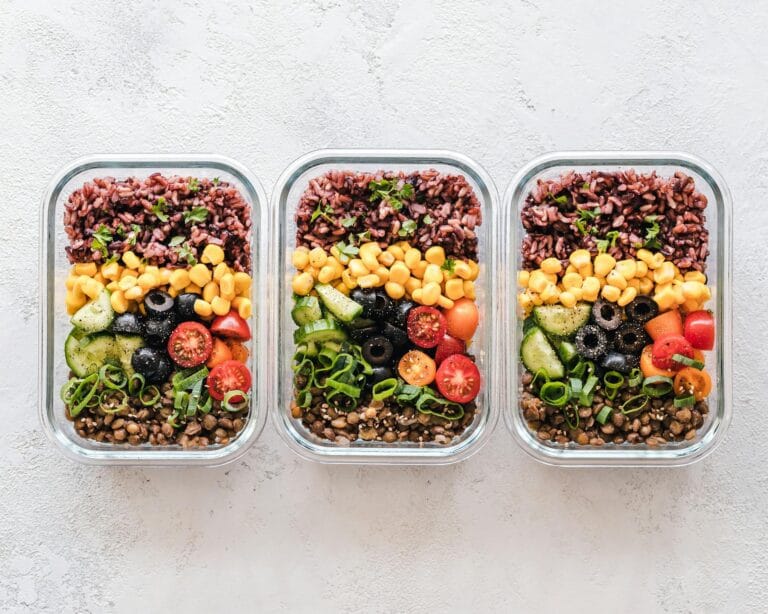
The most effective dietary shift for reducing belly fat is cutting back on ultra-processed foods and added sugars. These foods spike blood glucose, trigger insulin release, and promote fat storage in the abdominal region. Replacing them with whole foods — lean proteins, fiber-rich vegetables, legumes, and healthy fats — can produce visible changes in your midsection within a few weeks.
- Swap sugary drinks (sodas, flavored coffees, juices) for water, sparkling water, or unsweetened tea
- Add a source of protein to every meal to keep you full longer and reduce overeating
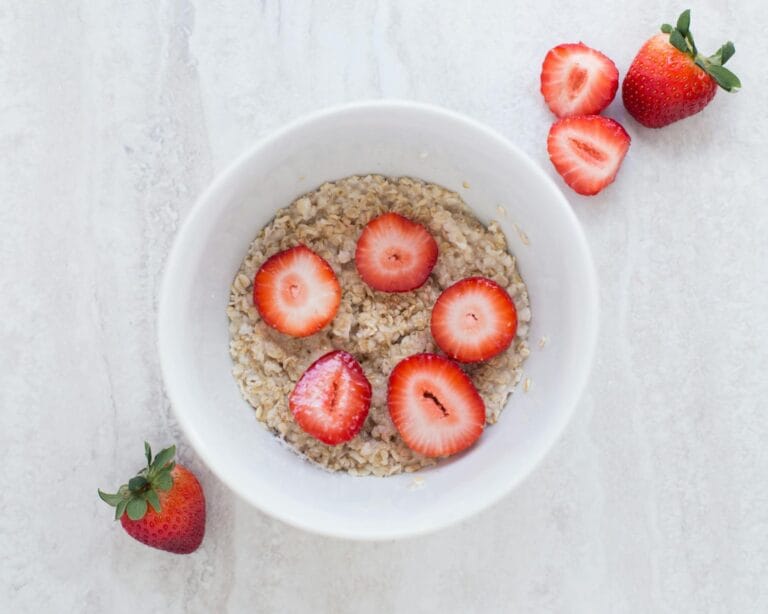
- Increase fiber intake through beans, lentils, oats, and vegetables to slow digestion and reduce bloating
- Reduce refined carbs like white bread and pastries, which cause water retention and rapid blood sugar spikes
- Limit alcohol, especially beer and cocktails, which are high in empty calories and promote fat storage around the waist
The bloating factor — it’s not always fat
A lot of belly puffiness is not fat at all — it’s gas and water retention. This is important because bloating can make your stomach look significantly larger than it actually is, and it’s highly fixable. Common culprits include eating too fast, carbonated drinks, certain high-FODMAP foods like raw onions and cauliflower, artificial sweeteners, and eating large meals late at night.
If you’ve ever woken up with a flat stomach and gone to bed looking three months pregnant, bloating is likely a major part of your issue. Addressing it can produce results you can see within 24 to 48 hours.
- Eat slowly and chew thoroughly to reduce the amount of air you swallow
- Avoid carbonated drinks and chewing gum, both of which introduce excess gas into your digestive system
- Try a low-FODMAP approach for a week to identify food sensitivities
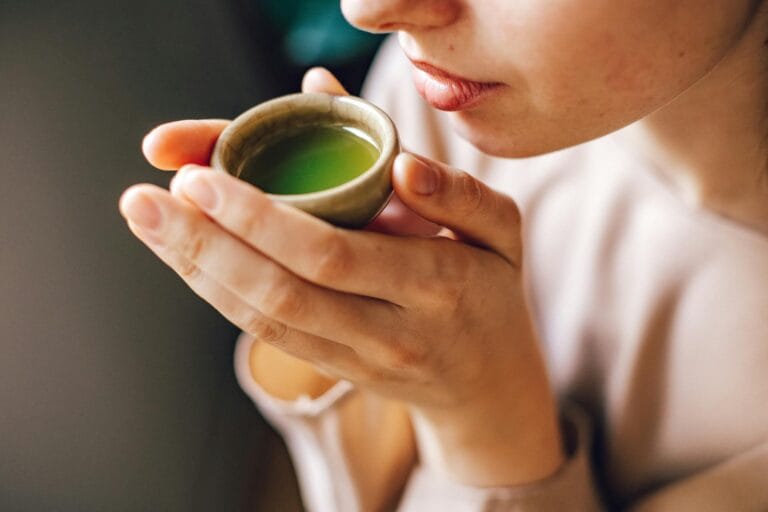
- Drink peppermint tea or ginger tea after meals to support digestion
- Don’t eat within two to three hours of bedtime
Step-by-step: how to start flattening your stomach this week
Rather than overhauling everything at once, this approach breaks the process into manageable steps you can implement across seven days without disrupting your routine.
- Day 1 — Audit your drinks: Write down every beverage you had yesterday. Swap any sugary or carbonated drink for water or herbal tea today. Most people consume 300 to 500 hidden calories per day through drinks alone, and cutting them is the fastest dietary change you can make.
- Day 2 — Add a protein anchor to every meal: Eggs at breakfast, chicken or legumes at lunch, fish or tofu at dinner. Protein keeps insulin stable, reduces hunger, and supports the lean body composition that makes your stomach appear flatter.
- Day 3 — Prioritize sleep: Set a bedtime that allows for at least seven hours. Poor sleep elevates ghrelin (the hunger hormone) and cortisol, both of which promote abdominal fat storage. One bad night won’t ruin you, but chronic sleep debt accumulates directly around your waist.
- Day 4 — Reduce sodium intake: High sodium causes your body to retain water, which shows up immediately in your midsection. Cut back on processed snacks, canned soups, fast food, and condiments. Drink more water (counterintuitively, this helps flush excess sodium out).
- Day 5 — Manage stress actively: Spend 10 minutes doing something that genuinely lowers your stress — a slow walk, breathing exercises, a phone call with someone you like. Cortisol management is not optional when you’re targeting belly fat. You don’t need a yoga mat or meditation app; you need a consistent stress outlet.
- Day 6 — Fix your eating pace and timing: Eat your largest meal earlier in the day, not at night. Research from the Salk Institute has shown that time-restricted eating — consuming all meals within an 8 to 10-hour window — reduces visceral fat without requiring calorie counting.
- Day 7 — Review and repeat: Look back at the week. Which changes felt easy? Lock those in permanently. Which ones were hard? Adjust, don’t abandon. Consistency over perfection is what produces lasting change in body composition.
Posture and your stomach’s appearance
This one gets overlooked almost entirely, but your posture has a real impact on how your stomach looks. Anterior pelvic tilt — where your lower back arches excessively and your stomach pushes forward — is extremely common among people who sit for long periods. It makes your belly protrude even when there’s minimal fat present.
You can address this by being conscious of how you sit and stand. When seated, keep your feet flat on the floor and avoid slumping. When standing, think about gently tucking your pelvis slightly forward and lifting through the top of your head. It sounds trivial, but correcting posture alone can visually flatten your stomach in seconds, and over time it becomes your default position.
Hydration and its effect on belly fat
Water is not a magic fat burner, but it plays a supporting role that most people underestimate. Being consistently under-hydrated causes your body to retain water (as a protective response), which contributes to puffiness around the abdomen. Drinking two to three liters of water per day, spread throughout the day, keeps your kidneys filtering efficiently and reduces water retention.
Cold water has also been shown to temporarily boost metabolism through a process called thermogenesis, though the effect is modest. The bigger benefit is simply that people who drink more water tend to eat less, choose better foods, and have more consistent digestion — all of which support a flatter stomach.
Frequently Asked Questions
Can you really flatten your stomach without any exercise at all?
Yes — to a significant degree. While exercise (especially resistance training) accelerates the process, dietary changes, stress management, improved sleep, and reduced bloating can all visibly reduce your abdominal size without structured workouts. The results are real, though the timeline is somewhat longer than with combined diet and exercise.
How long does it take to see results with diet changes alone?
Bloating-related changes can be visible in 24 to 72 hours after cleaning up your diet and reducing sodium and gas-causing foods. Fat loss takes longer — most people see noticeable changes in two to four weeks when dietary changes are consistent. Results vary based on starting point, stress levels, and sleep quality.
Are there any supplements that actually help with belly fat?
A few have modest evidence behind them. Probiotics have been shown in multiple studies to reduce bloating and improve gut function. Magnesium glycinate can help with cortisol regulation and sleep quality, both of which support fat loss. Green tea extract has a small thermogenic effect. None of these are substitutes for diet and lifestyle changes, but they can support the process.
Final thoughts
Getting a flatter stomach without exercising is genuinely possible when you address the real causes — not just calories, but cortisol, sleep, inflammation, bloating, and water retention. None of these fixes require willpower or deprivation; they require consistency with small changes stacked over time. Start with two or three habits from this article and build from there. If you want a concrete first action, cut out sugary drinks for seven days and drink an extra liter of water daily — studies on this specific swap show an average reduction of 1.5 cm in waist circumference within two weeks in previously sedentary adults.