
How To Reduce Inflammation With Diet
If you’ve been wondering how to reduce inflammation with diet, you’re asking one of the most practical health questions out there. Chronic inflammation is quietly linked to fatigue, brain fog, joint pain, and a long list of serious conditions, yet most people don’t realize that what they eat every day either dials it up or down. The good news is you don’t need a complete lifestyle overhaul to make a real difference. Small, consistent food choices can shift your body’s inflammatory response significantly over time.
What inflammation actually is (and why it matters)
Inflammation isn’t always a bad thing. Acute inflammation is your immune system doing its job, it’s why a cut swells up and heals. The problem is chronic, low-grade inflammation that simmers quietly in the background for months or years. This type is often driven by diet, stress, poor sleep, and inactivity. According to a 2023 report published in the journal Nature Medicine, chronic inflammatory diseases are the leading cause of death worldwide, responsible for more than 50% of all deaths globally. That’s not a small number, and diet is one of the most accessible levers you have to address it.
The foods you eat influence inflammatory markers like C-reactive protein (CRP), interleukin-6, and TNF-alpha. Processed foods, refined sugars, and seed oils push these markers up. Whole foods, particularly those rich in antioxidants and omega-3 fatty acids, bring them down. The relationship isn’t complicated once you understand the basics.
Foods that actively drive inflammation
Before adding anything to your plate, it helps to know what’s fueling the fire. These are the main offenders worth pulling back on:
- Ultra-processed snacks and fast food (chips, packaged cookies, most fast-food meals)
- Refined carbohydrates like white bread, sugary cereals, and pastries
- Sugary drinks including soda, energy drinks, and most commercial fruit juices
- Trans fats found in some margarines and commercially fried foods
- Excessive alcohol, particularly when consumed regularly in large amounts
- Refined vegetable oils high in omega-6 fatty acids, such as corn oil and soybean oil, especially when overconsumed without balancing omega-3 intake
You don’t have to eliminate every single one of these forever. What matters more is frequency. Eating fast food once a week looks very different to your immune system than eating it daily.
The most effective anti-inflammatory foods
There’s no single superfood that fixes everything. Anti-inflammatory eating works through a pattern, not a single ingredient. That said, some foods have particularly strong evidence behind them:
- Fatty fish like salmon, sardines, and mackerel are high in EPA and DHA, the omega-3 fatty acids most directly linked to reduced inflammatory markers. Aim for two to three servings per week.
- Leafy greens like spinach, kale, and Swiss chard are packed with vitamin K, folate, and antioxidants that help neutralize oxidative stress.
- Berries (blueberries, strawberries, raspberries) contain anthocyanins, which have been shown in multiple studies to lower CRP levels.
- Extra virgin olive oil contains oleocanthal, a compound that works similarly to ibuprofen by blocking the same inflammatory enzymes.
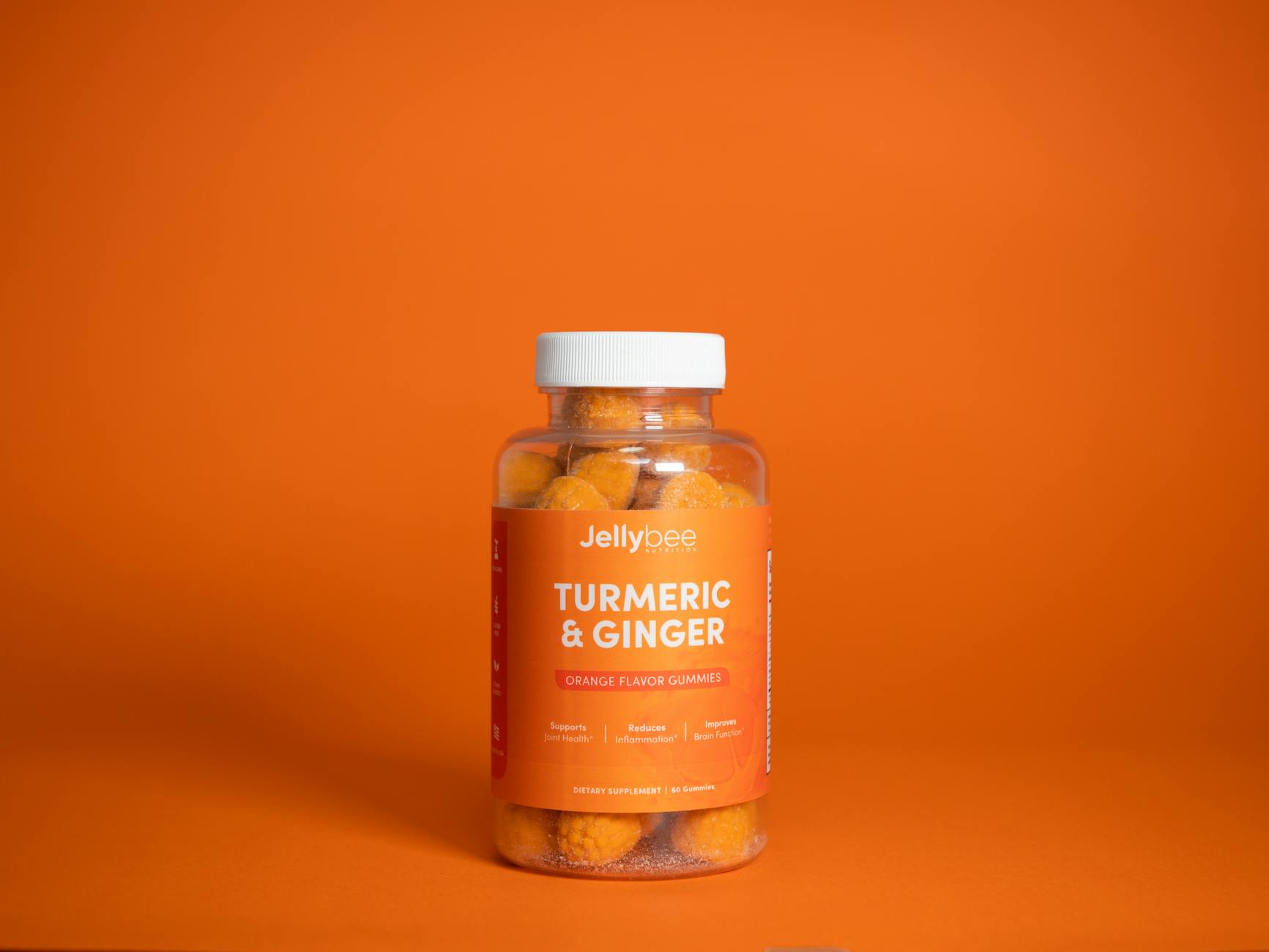
- Turmeric contains curcumin, which has documented anti-inflammatory effects, though absorption is much better when consumed with black pepper.
- Nuts, especially walnuts and almonds, provide healthy fats and polyphenols that support an anti-inflammatory response.
- Legumes like lentils, chickpeas, and black beans are high in fiber, which feeds beneficial gut bacteria that regulate immune function.
- Fermented foods such as plain yogurt, kefir, and kimchi support gut microbiome diversity, which is strongly connected to systemic inflammation levels.
How to start an anti-inflammatory diet: a practical step-by-step approach
Reading a list of healthy foods is easy. Actually changing how you eat is harder. Here’s a realistic way to shift your diet without turning your life upside down:
- Audit your current eating pattern for one week. Before changing anything, track what you actually eat. You don’t need a fancy app, a notes file on your phone works fine. Look for patterns: how often are you eating processed foods, sugary drinks, or takeout? This gives you a baseline and shows you where the biggest opportunities are.
- Replace one processed item per day with a whole food alternative. Swap chips for a handful of walnuts. Replace soda with sparkling water. Swap white rice for brown rice or quinoa. Small substitutions compound over time and are far more sustainable than dramatic overnight changes.
- Build meals around vegetables and protein first. When planning what to eat, start with a vegetable (ideally leafy or colorful) and a quality protein source (fish, legumes, eggs, or lean meat), then fill in around that. This naturally crowds out the space that processed carbohydrates often take up.
- Add omega-3 sources at least three times per week. If you’re not a fish person, ground flaxseed, chia seeds, and walnuts provide ALA, a plant-based omega-3. It’s less potent than fish-based EPA and DHA, but it’s still a meaningful step in the right direction. Fish oil supplements are also a practical option if whole fish isn’t realistic.
- Cut back on sugar gradually rather than cold turkey. Sudden elimination of sugar often leads to cravings and backsliding. Instead, reduce the amount you add to coffee or tea by half each week, swap sugary snacks for fruit, and start reading labels on packaged foods to spot hidden sugars (look for words ending in “-ose” or terms like “cane syrup”).
- Track how you feel, not just what you eat. After two to four weeks of consistent changes, notice your energy levels, sleep quality, and any joint discomfort. Inflammation affects all of these. Concrete improvements in how you feel are the most motivating feedback loop you can create for yourself.
What about supplements?
Supplements can fill gaps, but they work best as a backup to a solid food foundation, not a replacement for one. A few worth knowing about:
- Omega-3 fish oil: well-researched, widely available, and practical for people who don’t eat much fish. Look for products with at least 1,000mg combined EPA and DHA per serving.
- Curcumin with piperine: bioavailability is low on its own, but paired with black pepper extract (piperine), absorption improves significantly.
- Vitamin D: deficiency is common, particularly in people who spend most of their time indoors, and it’s closely linked to immune dysregulation. A simple blood test can tell you where you stand.
- Magnesium: many people are deficient, and low magnesium is associated with elevated CRP. Whole food sources include dark chocolate, spinach, and pumpkin seeds.
Before starting any supplement routine, it’s worth running it by a doctor or registered dietitian, especially if you’re on any medications.
Practical meal ideas to get started
Abstract advice is easier to follow when it has a real shape. Here are some simple meal ideas that fit the anti-inflammatory pattern without requiring cooking classes or expensive grocery runs:
- Breakfast: Greek yogurt with blueberries, a tablespoon of ground flaxseed, and a small handful of walnuts
- Lunch: large salad with mixed greens, canned salmon or chickpeas, cherry tomatoes, olive oil, and lemon dressing
- Dinner: baked salmon or lentil soup with roasted broccoli and a side of brown rice
- Snacks: apple with almond butter, a small piece of dark chocolate (70% cacao or higher), or carrot sticks with hummus
None of these take more than 20 to 30 minutes to prepare, and most ingredients are easy to find at any grocery store.
Frequently Asked Questions
How long does it take to see results from an anti-inflammatory diet?
Most people notice some improvements in energy, digestion, and general well-being within two to four weeks of consistent changes. Measurable reductions in inflammatory markers like CRP can show up in blood tests within six to twelve weeks, depending on how significant the dietary shift was and individual factors like sleep, stress, and activity level.
Do I need to go gluten-free or dairy-free to reduce inflammation?
Not necessarily. Gluten and dairy are genuinely inflammatory for people with celiac disease, non-celiac gluten sensitivity, or dairy intolerance. For most people without those conditions, there isn’t strong evidence that eliminating them reduces inflammation. Focus on the overall dietary pattern first, eliminating ultra-processed foods and adding more whole foods will have a bigger impact for most people than cutting out gluten or dairy.
Is the Mediterranean diet really the best anti-inflammatory eating pattern?
It’s the most extensively studied. Hundreds of clinical trials and observational studies over the past several decades consistently link Mediterranean-style eating to lower inflammatory markers and reduced risk of cardiovascular disease, type 2 diabetes, and cognitive decline. It’s not the only valid approach, but it has the most evidence behind it and is flexible enough to adapt to different cultural food preferences.
Final thoughts
Reducing inflammation through diet is not about perfection or following a strict protocol. It’s about shifting the balance of what you eat most of the time toward foods that support your immune system rather than stress it. You don’t need to overhaul everything at once. Pick one or two changes from this article, apply them consistently for three weeks, and build from there. If you want a concrete starting point, swapping refined oils for extra virgin olive oil and adding two servings of fatty fish per week are two of the highest-impact, lowest-effort changes the research consistently supports.