How To Start A Plant Based Diet Without Going Vegan
I’ll be honest, when I first heard the phrase “plant-based diet,” I immediately pictured sad salads and a lifetime of saying no to everything delicious. But that’s really not what it means, and once I understood that, everything clicked. If you’ve been curious about how to start a plant based diet without going vegan, you’re in great company. More people than ever are shifting toward eating more plants, not because they want to give up everything they love, but because the evidence for plant-forward eating is genuinely hard to ignore. The good news? You don’t have to choose between a burger and a salad for the rest of your life. This approach is flexible, practical, and built for real people with real schedules. Let’s break it down in a way that actually makes sense for your life.
Why Plant-Forward Eating Is Worth Your Attention
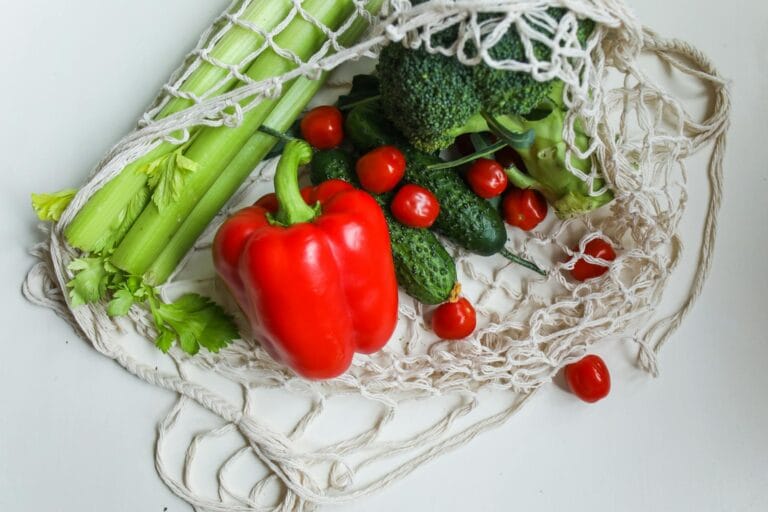
A plant-based diet doesn’t mean zero animal products. It means the majority of your plate comes from whole plants, vegetables, legumes, fruits, whole grains, nuts, and seeds, while leaving room for flexibility. Think of it as a spectrum rather than a strict rulebook. You might eat chicken on Thursday and a lentil stew on Friday. Both can coexist.
The science here is solid. According to a 2019 study published in the Journal of the American Heart Association, people who followed a plant-based diet had a 16% lower risk of cardiovascular disease and a 31% lower risk of dying from cardiovascular-related causes compared to those who didn’t. That’s not a small margin. And you don’t need to go fully vegan to access those benefits.
For busy professionals juggling meetings, deadlines, and a social life, the appeal is pretty straightforward: more plants can mean more energy, better digestion, steadier blood sugar, and less inflammation. None of that requires you to turn down your grandmother’s roast chicken at Christmas. I know from experience that the moment a diet feels like punishment, it’s already over.
What “Plant-Based” Actually Means for You
Before anything else, get clear on what you’re actually committing to. “Plant-based” is not a synonym for “vegan.” Veganism is an ethical and lifestyle philosophy that eliminates all animal products. A plant-based diet is a nutritional framework that prioritizes plants. There’s significant overlap, but they’re not the same thing.
Common variations that fall under the plant-based umbrella include:
- Flexitarian: Primarily plant-based with occasional meat or fish
- Mediterranean: Heavy on vegetables, legumes, olive oil, and fish, with limited red meat
- Reducetarian: Simply eating less meat and dairy, no hard rules
- Whole-food plant-based (WFPB): Focused on minimally processed plants, may include some animal products occasionally
Pick the version that doesn’t make you feel like you’re giving something up. Restriction rarely leads to lasting change. Building habits does.
How to Start a Plant Based Diet Without Going Vegan: Step-by-Step
The biggest mistake people make is trying to overhaul everything at once. Your digestive system, your habits, and your social life all need time to adjust. Here’s a phased approach that works even when your week is completely packed.
- Start with one plant-based meal per day. Don’t touch lunch or dinner yet. Just swap your breakfast to something plant-forward, oatmeal with berries and chia seeds, a smoothie with spinach and almond butter, or avocado toast on whole grain bread. This single change builds momentum without disruption.
- Audit your current meals. Write down what you actually eat in a week. No judgment, just data. Identify two or three meals that could easily be made mostly plant-based with minor tweaks. Pasta with meat sauce becomes pasta with lentils and mushrooms. Stir-fry with chicken becomes stir-fry with edamame and extra vegetables.
- Stock your kitchen with the basics. You can’t build plant-based habits with an empty fridge. Keep canned chickpeas, black beans, lentils, frozen edamame, whole grains like quinoa or farro, and a rotation of fresh or frozen vegetables on hand. These are your building blocks.
- Learn three to five go-to recipes. You don’t need a cookbook. You need a short list of meals you can make without thinking. A simple lentil soup. A Buddha bowl with whatever’s in your fridge. A bean taco. Repeat these until they feel automatic, then expand.
- Replace meat gradually rather than abruptly. Instead of eliminating chicken from your diet, try reducing portion size and adding more plant protein to the same dish. Half the chicken, double the chickpeas. This keeps the meal familiar while shifting the balance.
- Plan for social situations in advance. Eating out or at someone’s home is where most people abandon new eating habits. Before you go, check the menu. Look for dishes that are already plant-heavy or can be modified. Most restaurants will accommodate reasonable requests. Having a plan removes the friction.
- Track how you feel, not what you eat. After two to three weeks, notice your energy levels, sleep quality, and digestion. These tangible changes are far more motivating than calorie counts or food logs. When you feel the difference, the habits tend to stick on their own.
Getting Enough Protein Without Overthinking It
This is the question everyone asks, and it deserves a direct answer. Plant proteins are real and they work. Lentils, black beans, edamame, tofu, tempeh, quinoa, hemp seeds, and Greek yogurt (if you’re including dairy) all deliver meaningful amounts of protein per serving.
If you’re still eating some animal products, eggs, fish, occasional poultry, your protein intake isn’t going to be a problem. Even for people going fully plant-based, protein deficiency is rare when calories are adequate and food variety is reasonable. The more pressing concern is getting enough iron, zinc, vitamin B12, and omega-3 fatty acids, all of which you can address through food choices and targeted supplementation if needed.
A registered dietitian can do a quick nutrition review if you’re uncertain. One appointment is often enough to give you a clear, personalized roadmap. Many of us skip this step and then spend months second-guessing ourselves, don’t do that.
Making It Work With a Busy Schedule
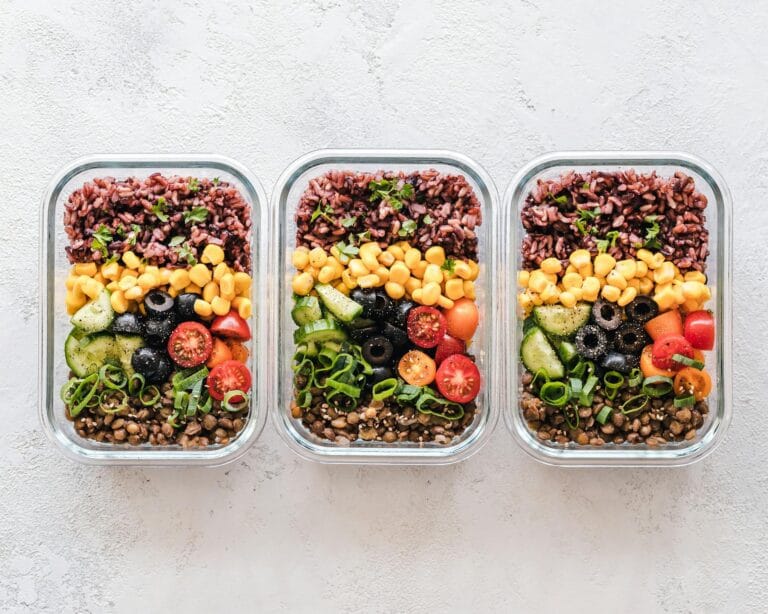
Batch cooking is your best tool here. Spend 45 minutes on Sunday cooking a big pot of grains, roasting a sheet pan of vegetables, and cooking a batch of legumes. From those three components, you can build five or six completely different meals throughout the week. Mix and match with different sauces, spices, and toppings.
Frozen vegetables are not a compromise. They’re often more nutrient-dense than fresh produce that’s been sitting in transit for days. Keep your freezer stocked with broccoli, spinach, edamame, peas, and mixed peppers. They cook in minutes and require zero prep.
Meal delivery services that offer plant-forward options have also improved significantly. If cooking feels like an obstacle, using a service two or three nights a week removes the barrier without requiring any real compromise.
Frequently Asked Questions
Do I need to give up meat completely to see health benefits?
No. Research consistently shows that even reducing meat consumption, particularly red and processed meat, has measurable benefits for cardiovascular health, inflammation, and metabolic function. You don’t need to be all-or-nothing to move the needle. Small, sustained shifts add up significantly over time.
How do I handle cravings for meat or dairy when I’m trying to eat more plants?
Cravings are usually about texture, flavor, or habit rather than a biological need for a specific food. Address the underlying craving directly. If you want something rich and savory, try a mushroom-based dish or a lentil stew with umami-forward ingredients. If you want something creamy, full-fat coconut milk or blended cashews can satisfy that without dairy. Over time, as your palate adjusts, the cravings tend to naturally shift.
Is a plant-based diet expensive?
It can be, but it doesn’t have to be. Whole grains, legumes, and frozen vegetables are among the most affordable foods available. The cost often increases when people rely on processed plant-based substitutes, mock meats, plant-based cheeses, and packaged snacks. Building meals from whole ingredients keeps costs low and nutrition high. A bag of dried lentils costs less than a dollar and provides multiple servings of protein-rich food.
Final Thoughts
The bottom line is that starting a plant-based diet without going vegan is genuinely one of the more sustainable health decisions you can make in your thirties, and your forties, for that matter. It doesn’t require a dramatic identity shift or a farewell tour of every food you’ve ever loved. It requires curiosity, some basic planning, and a willingness to try new combinations. The research supports it. Your body will likely confirm it. And unlike most diet advice, this approach gives you room to live your actual life while still making meaningful progress. Start with one meal. Build from there. That’s really all it takes.