How To Stay Focused Working From Home
If you’ve ever found yourself wondering how to stay focused working from home, you’re not alone, and you’re definitely not lazy. Working from home sounds like a dream until your couch starts calling your name, your phone lights up every six minutes, and somehow two hours disappear while you were “just checking one thing.” The good news is that focus isn’t some fixed personality trait you either have or don’t. It’s a skill, and like any skill, it gets better with the right habits and environment. This article breaks down what actually works, backed by research and real-world logic.
Why Working From Home Kills Focus (It’s Not Your Fault)
The traditional office, for all its flaws, was designed around one thing: getting work done. Your home was designed for everything else, rest, socializing, eating, relaxing. When you work from home, you’re essentially asking your brain to switch gears in a space it associates with winding down. That’s a recipe for mental friction.
I know from experience that this isn’t about lacking discipline, it’s about environment. According to a 2023 study by Microsoft’s Work Trend Index, 68% of remote workers reported struggling to have enough uninterrupted focus time during their workday. That’s not a personal failure, it’s a structural problem. The environment, the notifications, the blurry line between work time and personal time all work against you. Understanding this takes the guilt off the table and lets you focus on actual solutions.
Build a Physical Environment That Tells Your Brain “Work Mode”
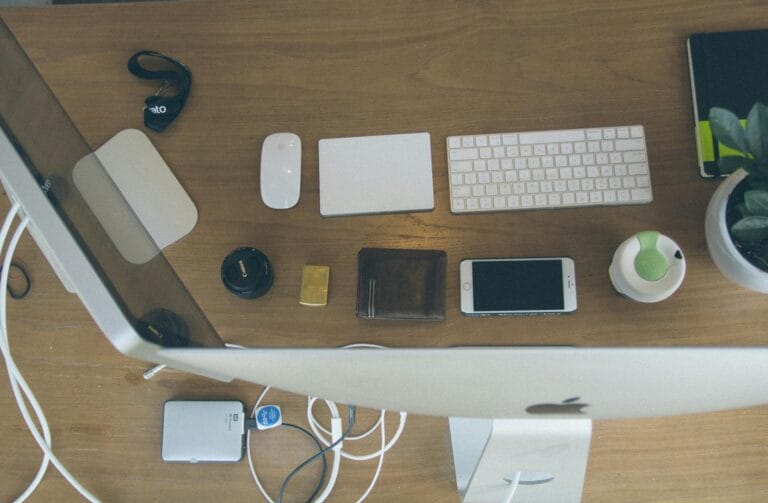
Your surroundings send signals to your nervous system constantly. A cluttered kitchen table with last night’s dishes nearby does not say “professional focus zone.” You don’t need a home office with a standing desk and ring light to be productive, but you do need some intentional design choices.
- Designate one specific spot for work, even a single chair at the dining table counts, as long as it’s consistent
- Keep that space tidy before you start, visual clutter competes for your attention whether you notice it or not
- Use lighting to your advantage, natural light improves alertness, while dim lighting signals your body to relax
- Invest in noise-canceling headphones or use a consistent background sound like brown noise or lo-fi music
- Remove non-work items from your immediate sightline, your Switch, your TV remote, that book you’ve been meaning to read
The goal here is to train an association. Over time, sitting in that spot with your coffee and your laptop becomes a cue that tells your brain it’s time to work. This is called environmental design, and it’s one of the fastest ways to reduce the mental effort of getting started each day.
Structure Your Day Like a Professional, Even When No One Is Watching
Freedom is the best and worst part of remote work. Without structure, the day becomes a shapeless blob where urgent and non-urgent tasks blur together. Many of us have felt that creeping anxiety of reaching 4pm and wondering where the day actually went. Most people underestimate how much of their office productivity came from external structure, a start time, meetings, colleagues visible nearby. When you work from home, you have to build that structure yourself.
Time-blocking is one of the most effective approaches. Instead of working from a to-do list and hoping for the best, you assign specific tasks to specific time slots. Your calendar becomes your actual plan, not just a meeting holder. Pair this with a consistent start time and a clear end time, and you’ll find the edges of your workday become much more real.
How to Stay Focused Working From Home: A Step-by-Step Daily System
This is the part where things get practical. Below is a daily system you can start using tomorrow. Adjust it to fit your schedule, but try to keep the core structure intact for at least two weeks before tweaking anything.
- Start with a “boot-up” ritual (10 minutes): Before opening your laptop, do a short, consistent routine, make coffee, do five minutes of stretching, write down your top three tasks for the day. This signals to your brain that work is starting. It’s the home version of the commute.
- Work in focused blocks (25–90 minutes): Pick a time block that suits your energy. The Pomodoro method (25 minutes on, 5 minutes off) works well for task-heavy days. For deeper creative or analytical work, try 60–90 minute blocks. During this time, your phone goes face-down on silent, notifications are off, and you work on one thing.
- Schedule your distractions (seriously): Check your phone, scroll social media, and reply to non-urgent messages only during designated break windows. Knowing you have a permission slot for distraction makes it much easier to resist it during focus blocks.
- Do a mid-day reset (15 minutes): Around midday, step away from your desk entirely. Walk around the block, eat away from your screen, or do something with your hands. This isn’t wasted time, it’s what prevents the afternoon energy crash that derails most remote workers.
- End with a “shutdown” ritual (5 minutes): Write a quick note about where you left off and what’s first tomorrow. Close your tabs, close your laptop, and mentally mark the end of work. This prevents work from bleeding into your personal time, which is one of the sneakiest focus killers of all.
Manage Your Energy, Not Just Your Time
Here’s something productivity advice often skips: you can have a perfectly structured schedule and still get nothing done if your energy is tanked. Focus isn’t purely a willpower game, it’s a biological state. Sleep, movement, and nutrition have a direct impact on how well your prefrontal cortex (the part of your brain responsible for sustained attention) actually functions.
- Protect your sleep, even one night of under six hours measurably reduces cognitive performance the next day
- Move your body before or during your workday, even a 10-minute walk increases alertness and reduces mental fatigue
- Eat something before your most demanding work block, your brain runs on glucose, and working hungry is working at a disadvantage
- Watch your caffeine timing, coffee works best about 90 minutes after waking, not immediately upon rising, to avoid the late-morning crash
Handle Digital Distractions Like an Adult (Without Going Cold Turkey)
You don’t need to delete your apps or go on a digital detox retreat. You just need friction. The goal is to make distraction slightly harder to access so that your default behavior becomes work, not scrolling.
App blockers like Freedom, Cold Turkey, or even the built-in Screen Time settings on your phone are practical tools, not crutches. Log out of social media on your browser so that logging back in requires an extra step. Put your phone in another room during focus blocks. These small additions of friction exploit the same psychology that makes platforms addictive in the first place, except you’re using it in your favor.
Frequently Asked Questions
How long does it take to build better focus habits when working from home?
Most people start noticing a difference within one to two weeks of consistent practice. The key word is consistent, doing the same routine daily, even imperfectly, builds neural pathways faster than doing it perfectly once in a while. Give any new system at least 14 days before deciding it doesn’t work.
Is it normal to feel less productive at home than in an office?
Completely normal, especially early on. Offices provide passive accountability and environmental cues that home environments lack. The strategies in this article are specifically designed to rebuild those cues artificially. Over time, your home workspace can actually become more productive than an open-plan office, but it takes intentional setup to get there.
What if I live with other people and can’t control noise or interruptions?
Communicate your schedule clearly to anyone you share space with, let them know your focus blocks in advance. Noise-canceling headphones are worth every penny in shared living situations. If your environment is genuinely unpredictable, anchor your most important work to early morning or late evening when foot traffic is lower. You can’t always control your environment, but you can control your timing.
Final Thoughts
The bottom line is this: learning how to stay focused working from home is less about willpower and more about designing your day and environment to make focus the path of least resistance. Start small, pick one thing from this article and apply it tomorrow. Maybe that’s a consistent start time, a noise-canceling playlist, or a five-minute shutdown ritual. Small wins compound fast. You don’t have to overhaul your entire routine overnight to start seeing real results. For more practical strategies on productivity and wellness, explore the full resource library at NicheHubPro.com.