How To Stay Hydrated Throughout The Day
If you’ve been searching for practical tips on how to stay hydrated throughout the day, you’re not alone, and you’re probably already one sip behind. Most of us know we should drink more water, yet somehow we still end up at 4pm with a headache, zero energy, and a coffee cup that’s been our only fluid intake since breakfast. I’ve been there more times than I’d like to admit, and I know how frustrating it is to feel foggy and exhausted when the fix is technically sitting right there on your desk. The good news? Fixing your hydration habits doesn’t require a complete lifestyle overhaul. A few smart, sustainable tweaks can make a noticeable difference in how you think, feel, and perform, whether you’re powering through a study session or back-to-back work meetings.
Why Hydration Actually Matters (Beyond the Obvious)
You already know water is important. But understanding why tends to make the habit stick a lot better than just hearing “drink more water” for the thousandth time. Your body is roughly 60% water, and even mild dehydration, as little as 1-2% loss in body weight from fluids, can affect your concentration, mood, and physical performance. According to a 2019 study published in the European Journal of Nutrition, mild dehydration was linked to measurable declines in cognitive performance, including poorer working memory and increased feelings of fatigue in young adults.
For a busy professional or student pulling long hours, that’s not a minor inconvenience, that’s potentially hours of reduced output. And the frustrating part? By the time you feel thirsty, you’re already mildly dehydrated. Thirst is a lag indicator, not a warning system.
Common Reasons You’re Not Drinking Enough Water
Before we talk solutions, it helps to understand what’s actually getting in the way. Most people aren’t intentionally skipping water, life just gets in the way. Here are the most frequent culprits:
- You’re just not thinking about it. When you’re focused on a task or in back-to-back meetings, drinking water simply isn’t on your radar.
- You don’t like the taste of plain water. This is more common than people admit, and it’s a completely valid barrier.
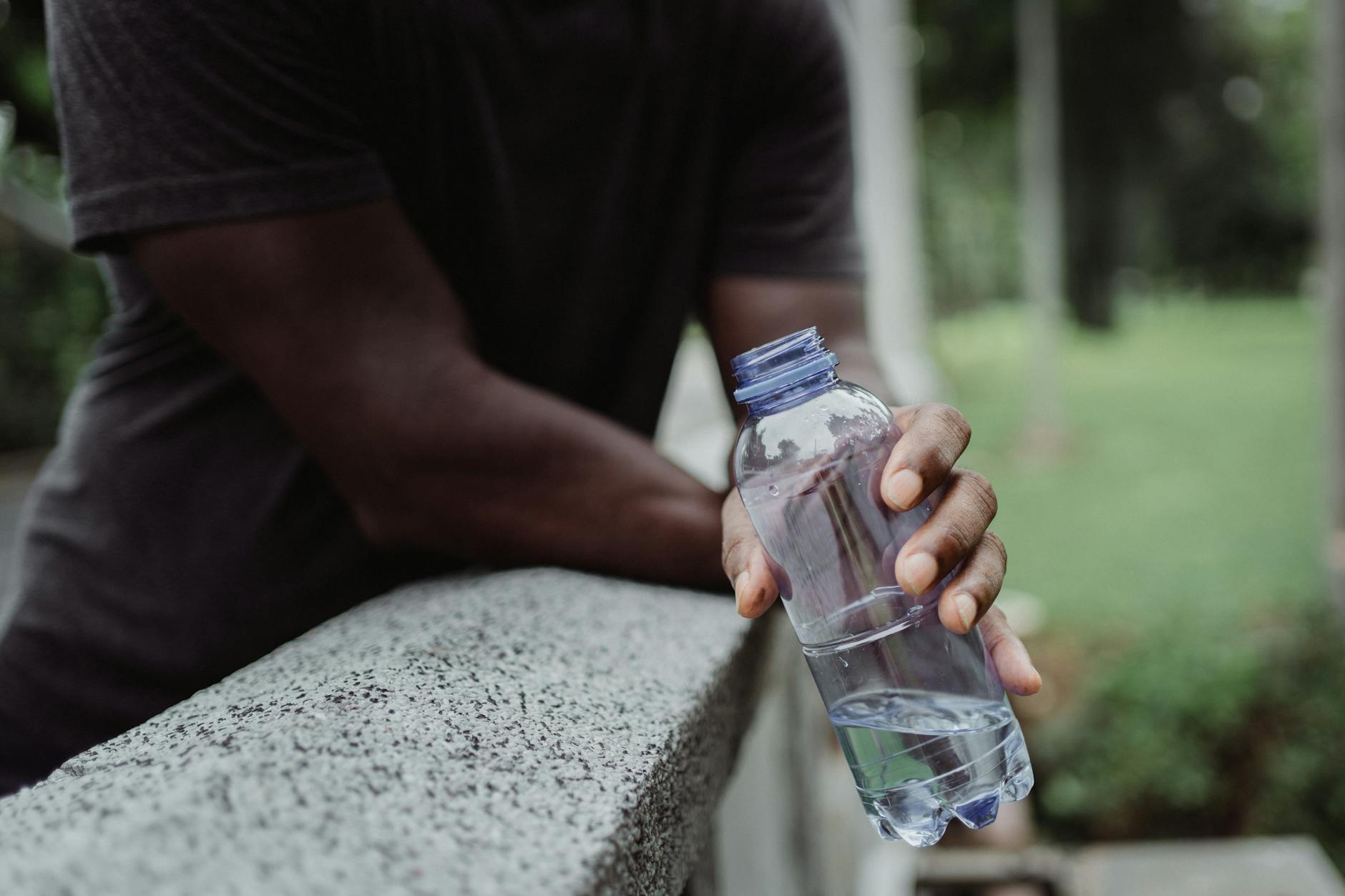
- Your bottle is out of sight. If it’s not on your desk or in your hand, it doesn’t exist.
- You’re relying on coffee or energy drinks. These do contribute to fluid intake, but caffeine can have a mild diuretic effect when consumed in large amounts.
- You skip water during your commute or between locations. Transition moments are easy hydration gaps.
How to Stay Hydrated Throughout the Day: A Step-by-Step Approach
Rather than vague advice like “just drink more,” here’s a structured approach you can actually follow starting tomorrow. These steps are designed to build on each other, making hydration feel automatic rather than effortful.
- Start with water before anything else. Before your coffee, before checking your phone, drink a full glass of water right after waking up. Your body has been fasting for 7-9 hours and is already running slightly low. This one habit alone can meaningfully shift your baseline hydration for the whole day. Keep a glass or bottle on your nightstand the night before so the option is right there.
- Attach water drinking to existing habits. This is called habit stacking, and it works remarkably well. Every time you sit down at your desk, take a sip. Every time you finish a Zoom call, drink a few gulps. Every time you go to the bathroom, refill your bottle. You’re not adding new routines, you’re piggybacking onto ones you already do automatically.
- Set a halfway checkpoint by early afternoon. Aim to have consumed at least half of your daily water target by 1pm. A realistic daily target for most adults is around 2 to 2.5 liters, though this varies by body weight, activity level, and climate. Checking in at midday keeps you from scrambling to catch up at 8pm (which isn’t ideal for sleep, either).
- Make your water more appealing. If plain water feels boring, that’s not a character flaw, it’s a preference you can work around. Add slices of lemon, cucumber, mint, or frozen berries. Try sparkling water if still water doesn’t appeal to you. Herbal teas and infused waters count toward your intake too. The best water is the one you’ll actually drink.
- Use a visual tracker or marked water bottle. There are bottles with time markers (“drink to here by 10am, here by noon”) that work incredibly well for visual learners and busy people who lose track of time. Alternatively, use a simple tally in your phone’s notes app. Seeing the number go up provides a small but real motivational nudge.
Smart Hydration Habits for Your Environment
Your environment shapes your behavior more than willpower ever will. I know from experience that when my water bottle isn’t sitting right next to my keyboard, it might as well not exist. If you want to drink more water, make it the path of least resistance. Here’s how to set up your space for hydration success:
- Keep a large water bottle on your desk at all times, not in your bag, not across the room.
- Place a glass near the kitchen sink as a visual cue to drink when you pass by.
- Stock your fridge with pre-made infused water so it’s ready to grab.
- If you work in an office, position your water bottle next to your keyboard, not behind your monitor.
- Set a recurring phone reminder for 10am, 1pm, and 3pm if you’re prone to forgetting during focused work blocks.
Hydrating Foods You’re Probably Overlooking
Drinking water isn’t the only way to hydrate. A meaningful portion of your daily fluid intake can come from food, especially fruits and vegetables with high water content. This is good news if drinking water all day feels like a chore.
- Cucumbers: About 96% water by weight, one of the highest of any food.
- Watermelon: Around 92% water and naturally sweet, making it an easy snack.
- Strawberries: Roughly 91% water, plus fiber and antioxidants.
- Celery and lettuce: Both over 90% water and easy to add to meals.
- Oranges and grapefruit: High water content plus electrolytes like potassium.
Adding more of these to your meals doesn’t replace drinking water, but it does give your overall hydration a genuine boost, particularly helpful on days when you’re just not in a drinking-water mood.
Hydration and Electrolytes: What You Actually Need to Know
Water alone isn’t always enough, especially if you’re active, sweating in summer heat, or drinking a lot of plain water without enough sodium and potassium in your diet. Electrolytes, including sodium, potassium, and magnesium, help your cells actually absorb and retain fluid. Without them, you can drink plenty of water and still feel off.
You don’t need to buy expensive sports drinks or supplements to address this. Most people get adequate electrolytes through a balanced diet. But if you’re exercising regularly, spending time in the heat, or feeling oddly fatigued despite drinking water, adding a pinch of salt to your water or eating a banana alongside your hydration routine can help. Coconut water is another practical option, it’s naturally rich in potassium and much lower in sugar than commercial sports drinks.
Frequently Asked Questions
How much water should I actually drink per day?
The popular “8 glasses a day” rule is a rough starting point, but it’s not one-size-fits-all. Most health organizations recommend somewhere between 2 and 3.5 liters per day depending on your body weight, activity level, and climate. A simple way to gauge your hydration: your urine should be pale yellow, not clear (which can indicate overhydration) and not dark yellow or amber (which suggests you’re running low).
Does coffee count toward my daily water intake?
Yes, it does, despite the common myth that caffeine completely dehydrates you. At moderate intake (1-3 cups per day), coffee contributes to your overall fluid balance. The mild diuretic effect of caffeine doesn’t outpace the fluid you’re consuming. That said, relying on coffee alone isn’t a solid hydration strategy, and adding water throughout the day will always serve you better than caffeine-heavy alternatives.
What are the early signs I’m getting dehydrated?
The signs can be subtle and easy to misattribute. Watch for mild headaches in the afternoon, difficulty concentrating, feeling fatigued for no clear reason, dry mouth, or low-grade irritability. Many of us have felt that 3pm slump and immediately reached for a snack or another coffee, when honestly a big glass of water would’ve done the trick. If you notice these symptoms regularly, increasing your water intake is a low-risk, high-reward first step.
Final Thoughts
Staying consistently hydrated is one of the simplest, lowest-cost things you can do for your energy, focus, and overall wellbeing, and yet it somehow stays on most people’s “I should really do better at this” list indefinitely. The bottom line is, the strategies here aren’t complicated because they don’t need to be. Start with your morning glass, build visual cues into your environment, make your water something you actually want to drink, and let the habits stack naturally over a few weeks. You won’t need to think about it much, and that’s exactly the point.