
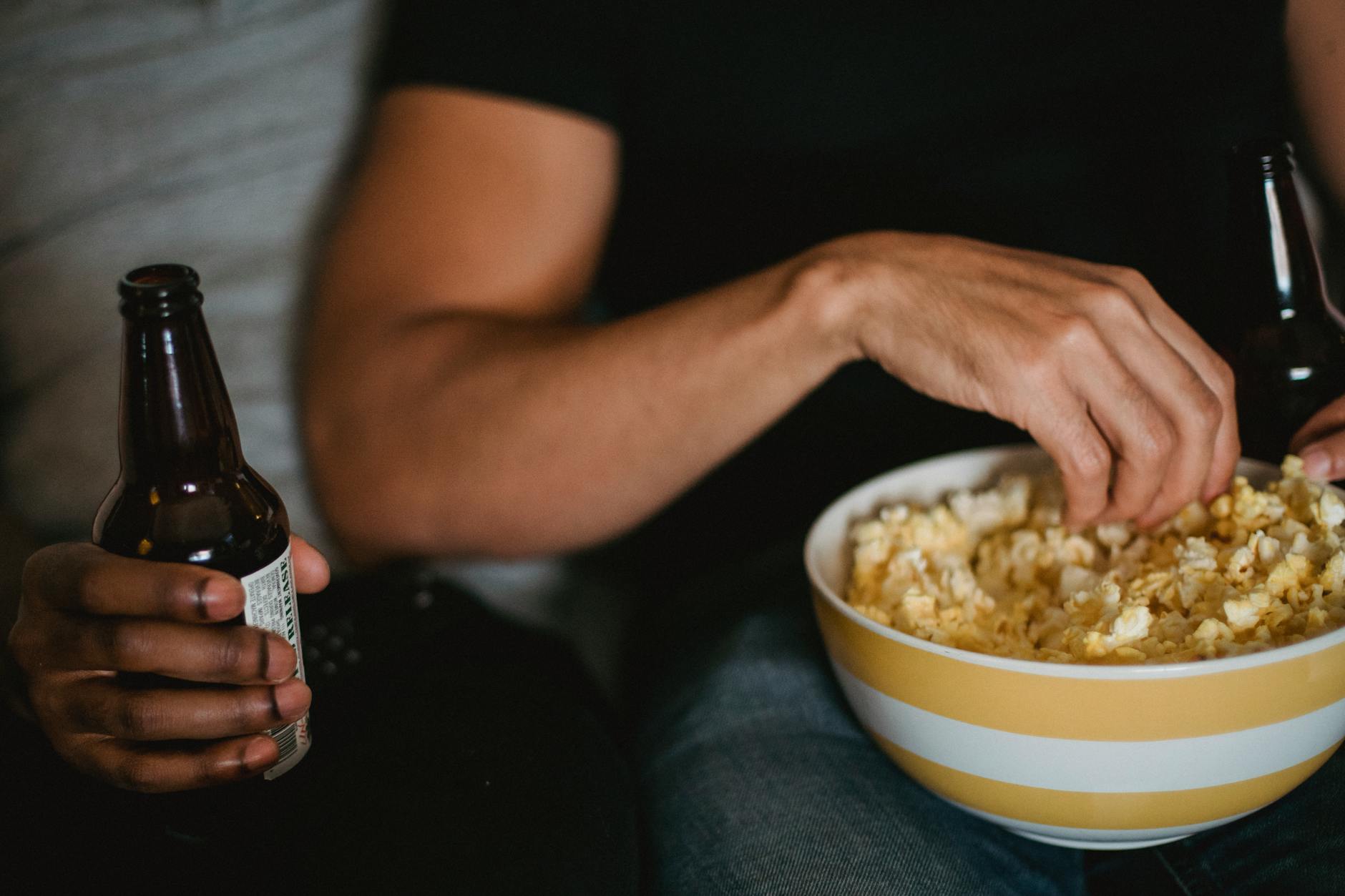
How To Stop Snacking At Night
Okay, let’s talk about something I know so many of us struggle with, that sneaky after-dinner habit that quietly undoes a day of eating well. I’ve spoken with so many people who do everything right from morning until about 8 PM, and then somehow end up elbow-deep in a bag of chips they didn’t plan to touch. If that sounds familiar, this one’s for you. Learning how to stop snacking at night is one of the most common challenges for busy professionals who eat well during the day but unravel after dinner. The good news is that late-night eating is rarely about hunger. Once you understand what’s actually driving the habit, breaking it becomes a lot more manageable than you might think.
Why You Keep Snacking at Night (Even When You’re Not Hungry)
Before you can fix the problem, it helps to understand what’s causing it. For most people in their twenties and thirties juggling demanding jobs, night snacking is tied to one of three things: stress, boredom, or habit loops that have been reinforced over months or years.
According to research published in the journal Obesity, eating at night is associated with greater caloric intake, higher body weight, and disrupted metabolic function, even when total daily calories remain the same. The timing of food consumption matters more than most people realize, largely because your body’s circadian rhythm influences how efficiently it processes energy.
There’s also a neurological side to this. Dopamine, the brain’s reward chemical, gets released when you eat palatable foods like chips, chocolate, or leftover pasta. After a long, stressful workday, your brain is actively seeking that quick hit of reward. It’s not a lack of willpower. It’s your brain doing exactly what it’s designed to do. Many of us have felt that pull and blamed ourselves for it, when really, we were just tired humans responding to a very normal biological signal.
The Real Triggers Behind After-Dinner Cravings
Understanding your personal triggers is one of the most powerful steps you can take. Common ones include:
- Emotional exhaustion: Decision fatigue after a full workday lowers your resistance to impulsive eating behaviors.
- Undereating during the day: Skipping lunch or having a light dinner often causes genuine hunger to spike in the evening.
- Screen time before bed: Watching TV or scrolling social media is strongly linked to mindless snacking because the activity itself becomes a paired cue for eating.
- Poor sleep patterns: Sleep deprivation increases ghrelin (your hunger hormone) and decreases leptin (your satiety hormone), leaving you feeling hungry even when your body doesn’t need fuel.
- Low protein intake: If your meals don’t contain enough protein, you’ll hit the evening with unresolved hunger that no amount of willpower can consistently override.
How to Stop Snacking at Night: A Practical Step-by-Step Plan
This isn’t about restriction for its own sake. It’s about building a structure that makes the unhelpful habit harder to continue and the healthy alternative easier to reach for. Here’s a straightforward plan that actually works in a real person’s schedule:
- Audit your daytime eating first. Track what you eat from morning until dinner for three days. Most night snackers discover they’re eating too little protein or too few calories during the day. Aim for at least 25–30 grams of protein per meal and make sure you’re actually eating lunch, not just surviving on coffee until 3 PM. When your body is properly fueled during daylight hours, evening cravings drop significantly without requiring willpower.
- Set a clear kitchen closing time. This sounds almost too simple, but it works because it removes the need for repeated decisions. Choose a time, say, 8 PM or one hour after dinner, and treat it as non-negotiable. Clean up the kitchen, wipe the counter, turn off the light if you have to. The physical act of “closing” the kitchen acts as an environmental cue that eating time is over. Pair it with something consistent, like brushing your teeth immediately after dinner, which also chemically reduces food appeal.
- Replace the habit loop, don’t just break it. Your brain has linked a cue (sitting on the couch, watching TV) to a routine (walking to the kitchen) to a reward (tasting something enjoyable). You can’t just remove the routine without replacing it. Instead, keep your hands occupied, try herbal tea, sparkling water with lemon, a 10-minute stretch routine, or even a short walk. The goal is to give your brain a different path to the same reward: relaxation and pleasure.
- Manage the stress before it manages you. If emotional exhaustion is your main trigger, you need a decompression ritual that happens before the craving hits. This could be a five-minute journaling session after work, a quick workout, a phone call with a friend, or even a short meditation. The point is to lower cortisol before it sends you hunting for comfort food at 10 PM. Building this into your evening routine consistently takes about two to three weeks to feel natural.
- Redesign your environment. If the food isn’t within reach, you’re far less likely to eat it. Move ultra-processed snacks to a hard-to-access cabinet, or stop buying them altogether. Keep a bowl of fruit on the counter, pre-portion any evening snacks you do allow, and don’t eat directly from a bag or box. Research on food environment consistently shows that accessibility and visibility are among the strongest predictors of consumption, more so than personal motivation.
- Prioritize sleep like it’s a performance tool. If you’re chronically sleeping fewer than seven hours, no eating strategy will fully compensate for the hormonal disruption that follows. Create a consistent wind-down routine: dim lights an hour before bed, limit screen brightness, and aim for the same sleep and wake time daily. Better sleep quality leads to better hunger regulation the following day, which creates a positive cycle that makes night snacking naturally less appealing over time.
What to Do If You’re Genuinely Hungry at Night
Sometimes the hunger is real, and ignoring it entirely isn’t the answer. If you find yourself legitimately hungry after dinner, it likely points back to daytime undereating. In the short term, a small, intentional snack is better than a chaotic kitchen raid. Smart options include a handful of nuts, a small bowl of Greek yogurt with berries, a boiled egg, or cottage cheese with cucumber. These are high in protein and low in refined sugar, so they satisfy without triggering the blood sugar spike and crash cycle that leaves you reaching for more twenty minutes later.
The key difference is intentionality. Sit down at the table, portion it out, eat it mindfully, and then move on. That’s fundamentally different from grazing in front of the TV until you’ve consumed 600 calories you never consciously chose to eat. I know from experience that the act of sitting down, rather than standing over the kitchen counter, genuinely changes how you experience the food.
Building Habits That Actually Stick Long-Term
Behavior change research, including work from James Clear and the broader habit science literature, consistently points to one thing: environment design outperforms willpower every time. If you rely on motivation alone to stop night snacking, you’ll succeed on easy days and fail on hard ones. That’s not a character flaw, it’s just how human cognition works under stress.
Focus on making the right behavior the path of least resistance. Keep water and herbal tea accessible in the evening. Have a pre-planned activity that kicks in after dinner. Tell a partner or roommate about your goal, social accountability meaningfully increases follow-through rates. And give yourself at least three to four weeks before evaluating progress. Habits are built through repetition, not overnight decisions.
Frequently Asked Questions
Is it really that bad to eat at night if I stay within my calorie limit?
Research suggests timing does matter beyond just total calories. Eating close to bedtime can affect how your body processes glucose, disrupt sleep quality, and interfere with your natural circadian metabolic rhythm. That said, context matters, a small, protein-rich snack is very different from a high-sugar, high-fat binge. If you’re within your nutritional goals and your sleep isn’t impacted, occasional evening eating is unlikely to cause significant harm.
Why am I so much hungrier at night than during the day?
This is often a sign that you’re undereating during the day, particularly in protein and overall calories. Stress hormones throughout the workday can also suppress appetite, making you feel fine until you finally relax in the evening. Additionally, tiredness is often misread as hunger, your brain seeks energy stimulation when fatigued, and food is a fast source of it.
How long does it take to break the night snacking habit?
There’s no universal timeline, but habit research suggests that consistent behavioral changes take anywhere from three to eight weeks to feel automatic, depending on the complexity of the habit and how long it’s been reinforced. Focus on consistency over perfection. Missing a night doesn’t erase progress, returning to the plan the next day does.
Final Thoughts
The bottom line is, night snacking is one of those habits that feels small but compounds quietly over time. The solution isn’t white-knuckling your way through cravings every evening, it’s building a structure that makes the habit unnecessary. Start by fueling yourself properly during the day, close the kitchen at a consistent time, replace the habit loop with something genuinely enjoyable, and get serious about your sleep. These aren’t drastic changes. They’re small, practical shifts that work together to make late-night eating a non-issue rather than a nightly battle. Give yourself a few weeks, adjust as you go, and remember that progress built on realistic habits always outlasts progress built on strict rules.
Related Articles
- How To Sleep On A Consistent Schedule
- How To Reduce Sugar Cravings Naturally
- Gut Health Tips For Beginners