
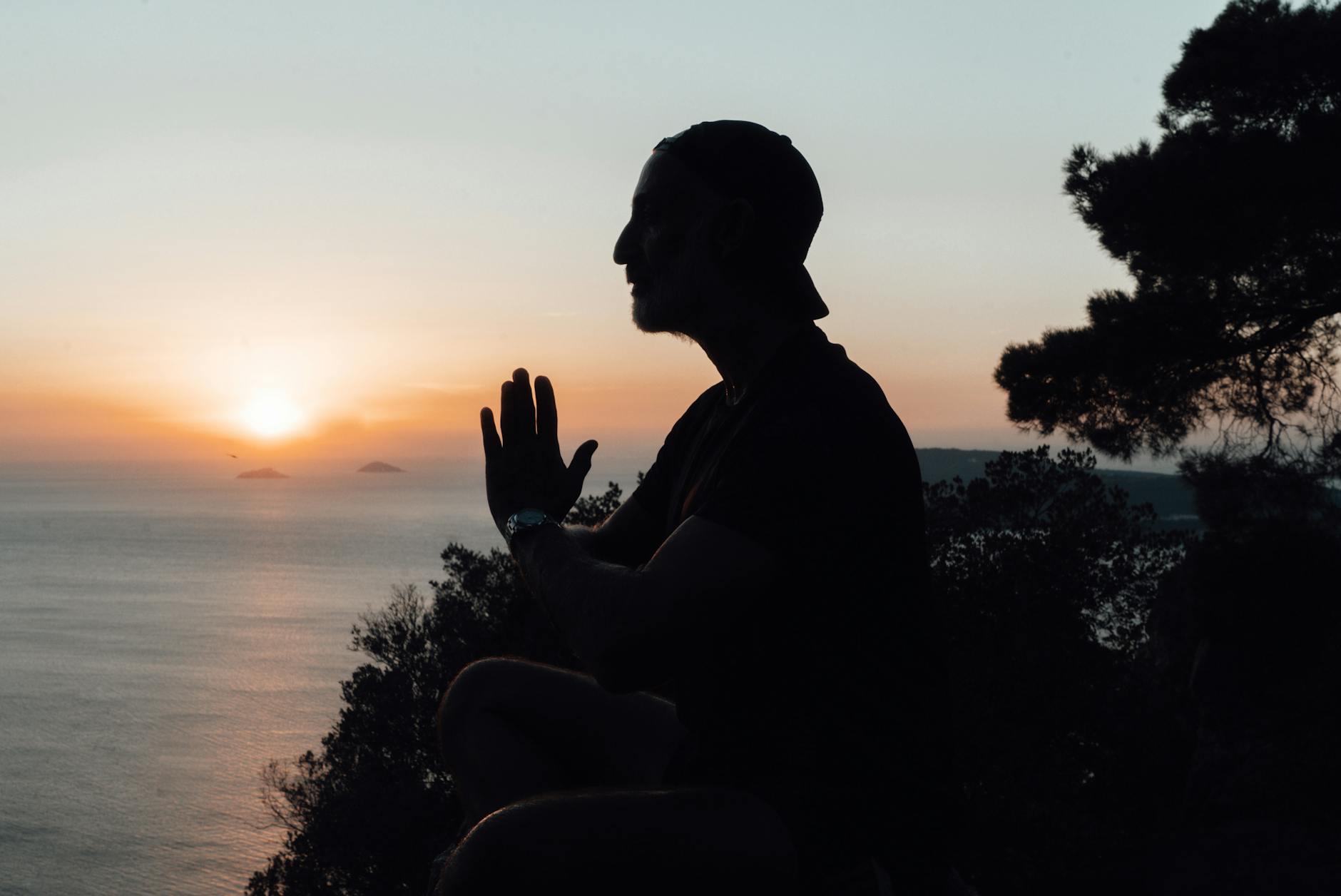
Mindfulness Meditation For Beginners
I’ll be honest, when I first heard about mindfulness meditation, I rolled my eyes a little. It sounded like something that required incense, a perfectly curated Instagram aesthetic, and way more free time than I had. But here’s the thing: I was completely wrong. If you’ve been curious about mindfulness meditation for beginners, you’re in good company, and you don’t need a yoga mat, a mountain retreat, or an hour of free time to get started. Whether you’re a grad student squeezing in study breaks or a professional navigating back-to-back meetings, meditation is one of the most accessible mental wellness tools out there. This guide will walk you through exactly what it is, why the science supports it, and how to build a real practice that actually fits your life.
What Mindfulness Meditation Actually Is (And Isn’t)
Let’s clear something up right away: mindfulness meditation is not about emptying your mind. That’s the myth that stops most people before they even start. Your thoughts will keep coming, and that’s completely fine. The practice is really about noticing your thoughts without getting swept away by them. Think of your mind like a busy street. Mindfulness doesn’t stop the traffic; it just helps you stand safely on the sidewalk and watch it pass.
Mindfulness itself is the quality of being fully present and aware of what you’re doing, without being overly reactive or overwhelmed. Meditation is the structured practice that trains that quality. Together, they form a skill, one that gets stronger with repetition, just like a muscle.
There are a few common forms you’ll encounter:
- Breath-focused meditation: Anchoring your attention on the natural rhythm of your breathing
- Body scan: Slowly moving your awareness through different parts of your body
- Guided meditation: Following along with a recorded voice or app prompt
- Open awareness: Noticing sounds, sensations, and thoughts without labeling or judging them
For most beginners, breath-focused or guided meditation is the best entry point. They’re forgiving, flexible, and surprisingly effective even in short sessions.
Why the Science Actually Backs This Up
Mindfulness meditation isn’t just a wellness trend with good branding. There’s a growing body of research behind it. According to a study published in JAMA Internal Medicine, mindfulness meditation programs showed moderate evidence of improving anxiety, depression, and pain, with results comparable to what you’d expect from antidepressant medications, but without the side effects. That’s a meaningful finding for anyone who wants a practical, low-risk tool for managing stress.
On a neurological level, regular meditation has been linked to changes in the prefrontal cortex, the area of the brain associated with focus, decision-making, and emotional regulation. For someone juggling deadlines, social obligations, and the constant ping of notifications, that’s not a small deal. I know from experience that it’s easy to dismiss something as “too simple to actually work”, but the research here is genuinely hard to argue with. Even short, consistent sessions have been shown to reduce cortisol levels (your primary stress hormone) and improve sleep quality over time.
The key word there is consistent. A 30-minute session once a month won’t move the needle. But 10 minutes every day? That can genuinely reshape how you respond to stress over the course of a few weeks.
How to Start a Mindfulness Meditation Practice: Step-by-Step
Here’s a no-fluff, beginner-friendly routine you can start today. You don’t need any equipment, and the first session takes less time than scrolling through your social media feed.
- Choose a consistent time. Morning works well for many people because the mind is less cluttered before the day kicks in. But the best time is honestly the one you’ll actually stick to, even if that’s your lunch break or right before bed.
- Pick a quiet spot. You don’t need silence, but reduce obvious distractions. Sit in a chair, on your couch, or on the floor, whatever is comfortable. You do not have to sit cross-legged. Comfort matters more than posture aesthetics.
- Set a timer for 5–10 minutes. Starting small removes the pressure. You can always extend later, but beginning with a manageable commitment makes it far easier to stay consistent.
- Close your eyes and take three slow, deliberate breaths. Inhale through your nose for a count of four, hold gently for two, exhale through your mouth for a count of six. This signals your nervous system to downshift.
- Let your breathing return to its natural rhythm. Stop controlling it. Just observe it. Notice the rise and fall of your chest or belly, the slight coolness of air at your nostrils, the pause between each exhale and inhale.
- When your mind wanders, and it will, gently return your focus to your breath. Don’t scold yourself. This moment of noticing that you’ve wandered and coming back is literally the practice. Each return is a mental rep.
- When the timer goes off, don’t jump up immediately. Take one slow breath, open your eyes, and give yourself 30 seconds before re-engaging with your phone or tasks. That transition matters.
- Track your sessions for 14 days. Even a simple checkmark on a sticky note works. Seeing a streak builds momentum, and momentum builds habits.
Common Beginner Mistakes (And Easy Fixes)
Most people quit mindfulness meditation not because it doesn’t work, but because they misunderstand what “working” looks like. Many of us have felt that restless, this-isn’t-doing-anything frustration in the first few sessions, and that’s exactly when most people give up. Here are the most common stumbling blocks:
- Expecting instant calm: The first few sessions might feel restless or even more mentally noisy than usual. That’s normal. You’re noticing thoughts that were always there, you just weren’t paying attention before.
- Judging the session: There is no such thing as a bad meditation. A session where your mind wanders 50 times and you bring it back 50 times is a productive session. You just did 50 reps.
- Starting too long: Committing to 30 minutes when you’re a beginner almost guarantees dropout. Start with five to ten minutes and build from there.
- Relying purely on motivation: Motivation fluctuates. Anchor your practice to an existing habit, after your morning coffee, before you open your laptop, or right after brushing your teeth at night.
- Thinking apps are cheating: They’re not. Apps like Insight Timer, Headspace, or Calm offer genuinely helpful guided sessions, especially when you’re just starting out and unsure if you’re “doing it right.”
Making Mindfulness Work in a Busy Schedule
One of the biggest misconceptions is that a meaningful meditation practice requires large, uninterrupted blocks of time. It doesn’t. Micro-mindfulness moments scattered throughout your day can compound just as powerfully as a single formal session.
Try these small integrations:
- Take three conscious breaths before opening your email inbox in the morning
- Practice a one-minute body scan during your commute (when you’re not driving, obviously)
- Eat one meal per week without your phone or a screen, just noticing taste, texture, and hunger cues
- Set a subtle reminder on your phone mid-afternoon that just says “breathe”, and actually do it for 30 seconds
- Use waiting time (lines, loading screens, elevator rides) as impromptu awareness moments instead of defaulting to your phone
None of these replace a dedicated sitting practice, but they reinforce the neural pathways you’re building and keep you anchored in the present throughout a high-stimulus day.
Frequently Asked Questions
How long does it take to see results from mindfulness meditation?
Research suggests that even two to four weeks of consistent daily practice, as little as 10 minutes per day, can produce measurable reductions in perceived stress and improvements in focus. You likely won’t notice dramatic shifts in the first session, but most people report feeling subtly more grounded within the first week or two. The longer you practice, the more durable those benefits become.
Do I need to meditate every single day, or can I skip days?
Consistency matters more than perfection. Meditating six days a week for two weeks will outperform three long sessions scattered across a month. Missing a day isn’t a failure, just return the next day without making it a big mental event. The goal is to build a sustainable rhythm, not to achieve a flawless streak.
Is mindfulness meditation the same as relaxation or sleep meditation?
Not exactly. Relaxation is often a pleasant side effect of mindfulness practice, but the actual goal is awareness, not zoning out. Sleep meditations are specifically designed to help you disengage from active thought and drift off, which is different from the alert, present-moment attention that mindfulness trains. Both have value, but they serve different purposes. Think of mindfulness meditation as active mental training and sleep meditation as a wind-down tool.
Final Thoughts
The bottom line is that mindfulness meditation doesn’t ask you to overhaul your lifestyle, adopt a new belief system, or find extra hours in your week. It asks for a few minutes, a willingness to sit with your own mind, and enough patience to show up again tomorrow. Start small, stay consistent, and resist the urge to measure progress after a single session. The payoff, clearer thinking, better stress response, improved focus, tends to sneak up on you quietly. And one day you’ll notice that something that used to hijack your whole afternoon barely registers. That’s the practice working. You just have to give it the chance.
Related Articles
- How To Journal For Mental Health
- Breathing Exercises For Anxiety Relief
- How To Practice Gratitude Every Day