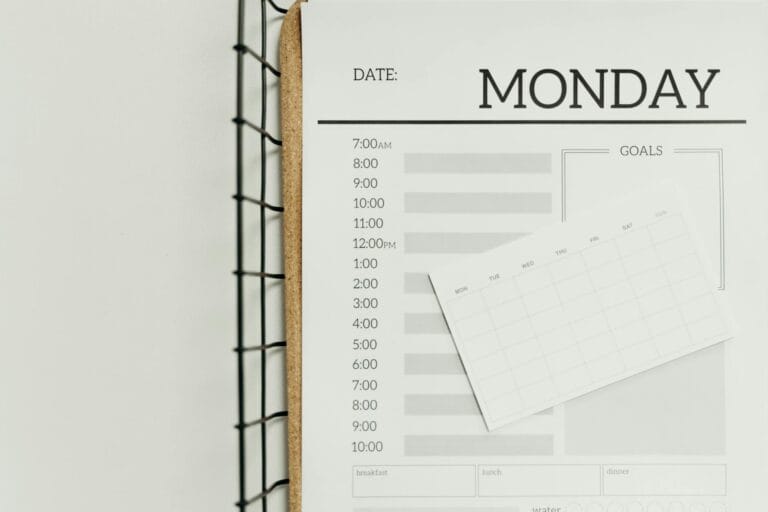

Morning Routine For Productivity
I’ll be honest, I used to think people who raved about their morning routines were just showing off. But after hitting a wall with my own focus and energy levels, I finally gave it a real shot, and the difference was hard to ignore. If you’ve ever wondered why some people seem to get more done before 9 AM than others do all day, the answer usually comes back to one thing: a solid morning routine for productivity. It’s not magic, and it doesn’t require waking up at 4 AM. It’s about being intentional with the first hour or two of your day so that everything else flows a little easier. Whether you’re a grad student juggling deadlines or a marketing manager with back-to-back meetings, what you do in the morning sets the tone for everything that follows.
Why Your Morning Matters More Than You Think
Your brain is doing something pretty remarkable in the first few hours after you wake up. Cortisol, your body’s natural alertness hormone, peaks in the morning, making it the window when your focus, decision-making, and willpower are at their sharpest. Squandering that window on Instagram scrolling or checking emails reactively is, honestly, one of the most common productivity killers out there.
According to a 2021 study published in the Journal of Applied Psychology, employees who reported having a structured morning routine showed significantly higher levels of work engagement, self-control, and reported feeling less mentally drained by mid-afternoon compared to those without one. That’s not a small difference, that’s the difference between powering through your afternoon or hitting a wall at 2 PM.
The good news? You don’t need a perfect routine. You need a consistent one that works for your actual life, not someone else’s highlight reel.
The Core Habits That Actually Move the Needle
Before we get into the step-by-step routine, it helps to understand which habits have the most evidence behind them. Not every wellness trend deserves a spot in your morning. Here are the ones that consistently show up in both research and real-world results:
- Hydration first thing: After 7-8 hours without water, your body is mildly dehydrated. Drinking a glass of water before coffee helps your brain and body wake up faster and reduces that groggy feeling.
- Movement (even light movement): You don’t need a full gym session. A 10-minute walk, some stretching, or a quick bodyweight circuit increases blood flow to the brain and releases dopamine, your motivation neurotransmitter.
- No phone for the first 30 minutes: Every notification, email, and news headline you consume first thing is someone else’s agenda entering your brain before you’ve set your own. Protect that window.
- Planning your top three priorities: Instead of starting work reactively, spend five minutes deciding what three things actually matter today. Everything else is bonus.
- Eating something with protein: Skipping breakfast isn’t always bad, but if you do eat, protein helps stabilize blood sugar and keeps you mentally sharp longer than a sugary cereal or pastry would.
A Step-by-Step Morning Routine for Productivity
This routine is designed to fit inside 60 to 90 minutes. It’s flexible enough to adapt to your schedule, but structured enough to actually work. Think of it as a template you can tweak, not a rigid rulebook.
- Wake up at a consistent time (even on weekends): Your circadian rhythm loves consistency. When you wake up at the same time daily, your body starts preparing for wakefulness before the alarm even goes off. Pick a time that gives you at least 60 minutes before you need to be “on” for work or school. Set it, stick with it for two weeks, and watch the grogginess start to fade.
- Hydrate and skip your phone for the first 30 minutes: Put your phone across the room or in another room entirely the night before. When you wake up, drink a full glass of water before doing anything else. Use this quiet time to ease into the day, sit with your thoughts, enjoy the silence, or just stare out the window. Boring? Maybe. Effective? Absolutely.
- Move your body for 10 to 20 minutes: This doesn’t have to be intense. A brisk walk around the block, ten minutes of yoga, or even dancing around your kitchen counts. The goal is to get your heart rate up slightly, clear mental fog, and signal to your nervous system that it’s time to be alert and engaged. If you have time and energy for a full workout, even better, but don’t let perfect be the enemy of done.
- Eat or fast intentionally: If you’re someone who eats breakfast, prioritize protein, eggs, Greek yogurt, a protein smoothie, or even some nuts with fruit. If you practice intermittent fasting and feel good without breakfast, skip it, but make sure you’re well hydrated. What you want to avoid is a blood sugar spike followed by a crash right in the middle of your most important work hours.
- Spend 5 minutes planning your day with clear priorities: Before you open your laptop or check any notifications, write down your top three tasks for the day. Not your whole to-do list, just the three things that, if completed, would make you feel genuinely accomplished. This takes five minutes maximum and acts as your north star when the day starts throwing distractions at you. Keep a small notebook by your desk or use a simple notes app.
- Start your most important task first: Once you’ve planned, go straight into your number-one priority. Don’t check email first. Don’t browse news. Don’t “warm up” with easy tasks. Use that peak cortisol and fresh mental energy to tackle the thing that matters most. Even 25-30 focused minutes on your top task early in the day is worth more than hours of fragmented effort later on.
How to Build the Habit Without Burning Out
Here’s where most people go wrong: they try to implement a six-step morning routine overnight after watching a YouTube video, crash by day three, and conclude that “morning routines don’t work for me.” I know from experience that this all-or-nothing approach is what kills the habit before it ever has a chance to stick. The fix is to start smaller than feels necessary.
Pick just one or two habits from the list above and do them consistently for two weeks before adding anything else. Consistency over two weeks builds more momentum than a perfect routine that collapses after four days. Once the first habits feel automatic, layer in the next one. You’re building a system, not winning a sprint.
Also, give yourself permission for your routine to look different on different days. Some mornings you’ll have an hour of peaceful structure. Others, you’ll have 15 minutes and a chaotic commute. Even a 15-minute version, water, no phone, three priorities written down, is infinitely more useful than nothing.
Common Morning Routine Mistakes to Avoid
Even well-intentioned routines can backfire if you’re making these common missteps:
- Checking email within the first 30 minutes: This puts you in reactive mode immediately and hijacks your mental clarity before you’ve used it for yourself.
- Starting with passive content consumption: News, podcasts, social media, they’re fine later, but starting your day consuming information before producing anything sets the wrong mental tone.
- Making your routine so long it becomes a burden: A 3-hour morning routine might work for someone with complete schedule flexibility. For most professionals and students, 60 to 90 minutes is the sweet spot.
- Skipping sleep to get up earlier: Getting up at 5 AM only helps if you’re going to bed at a reasonable hour. A morning routine built on chronic sleep deprivation will collapse. Sleep is not a productivity sacrifice, it’s a prerequisite.
Frequently Asked Questions
How long should a morning routine for productivity actually be?
It depends entirely on your schedule and lifestyle. Research suggests that even a 30-minute intentional morning routine can make a measurable difference in focus and mood throughout the day. If you can carve out 60 to 90 minutes, that tends to be the ideal range for most people, enough time to hydrate, move, eat, and plan without feeling rushed. Start small and build up as the habits become more automatic.
What if I’m not a morning person, can I still benefit from a morning routine?
Yes, and this is worth repeating: being a “morning person” is partly biology and partly habit. Your chronotype (whether you’re naturally a morning lark or a night owl) does influence your optimal performance window, but it doesn’t mean a morning routine is useless for you. Even night owls benefit from consistency and intention in the first hour of their day, whether that day starts at 6 AM or 9 AM. The principles are the same regardless of when you wake up.
Is it okay to use my phone in the morning if I’m just listening to music or a podcast?
That’s a reasonable compromise. The core reason to avoid phones in the morning isn’t about the device itself, it’s about avoiding reactive, attention-fragmenting content like notifications, emails, and social media feeds. Listening to calm music or an uplifting podcast while you get ready is a very different experience from scrolling through a news feed. Use your judgment, but be honest with yourself about whether your phone use is intentional or habitual.
Final Thoughts
The bottom line is that a strong morning routine for productivity isn’t about becoming a different person or adopting someone else’s perfect schedule, it’s about showing up for yourself before the rest of the world starts making demands on your time and attention. Many of us have felt that frantic, reactive energy that comes from diving straight into emails and notifications the second we wake up, and we know how hard it is to claw back focus after that. Start with one or two small changes, stay consistent, and pay attention to how you feel and perform. The compounding effect of a good morning, repeated daily, is genuinely one of the most practical investments you can make in your focus, energy, and overall output. Give it a few weeks before you judge it, and tweak freely until it fits your real life.