Omega 3 Benefits And Best Food Sources
I’ll be honest, omega 3s are something I didn’t pay nearly enough attention to until I started noticing how much better I felt after consistently eating more fatty fish and adding seeds to my meals. If you’ve been curious about omega 3 benefits and best food sources, you’re not alone. These essential fatty acids are among the most researched nutrients in modern nutrition, and for genuinely good reason. Your body can’t produce omega 3s on its own, which means every gram has to come from what you eat or supplement. Whether you’re trying to protect your heart, sharpen your focus, or simply feel better day to day, omega 3 fatty acids deserve a permanent spot in your healthy lifestyle strategy.
What Are Omega 3 Fatty Acids, Really?
Omega 3s are a family of polyunsaturated fats. The three main types you’ll encounter are ALA (alpha-linolenic acid), EPA (eicosapentaenoic acid), and DHA (docosahexaenoic acid). ALA is found mostly in plant foods, while EPA and DHA come primarily from marine sources. Here’s the catch: ALA has to be converted by your body into EPA and DHA to be fully useful, and that conversion rate is notoriously low, often less than 10%. This is why health professionals consistently push for direct sources of EPA and DHA rather than relying solely on plants.
Think of EPA as the anti-inflammatory workhorse and DHA as the brain’s best friend. Both play distinct but complementary roles in keeping your body running efficiently, from regulating inflammation to supporting cell membrane integrity throughout your entire body.
The Core Health Benefits of Omega 3s
The science backing omega 3s is extensive and spans decades of clinical research. Here’s a breakdown of the most meaningful benefits that have real-world relevance for people in their twenties and thirties.
- Heart health protection: Omega 3s help lower triglyceride levels, reduce blood pressure slightly, and decrease the risk of abnormal heart rhythms. According to the American Heart Association, omega 3 fatty acids can reduce cardiovascular disease risk, with high-dose EPA shown to cut major cardiac events by 25% in high-risk patients in the REDUCE-IT trial.
- Brain function and mental clarity: DHA makes up roughly 40% of the polyunsaturated fatty acids in your brain. Adequate intake is linked to better memory, faster processing speed, and a reduced risk of cognitive decline as you age.
- Reduced inflammation: Chronic low-grade inflammation sits behind conditions like type 2 diabetes, obesity, and autoimmune disorders. EPA in particular helps regulate the body’s inflammatory response by influencing prostaglandins and cytokines.
- Mood and mental health support: Multiple studies have associated higher omega 3 intake with lower rates of depression and anxiety. EPA appears to be the key player here, with research suggesting it can work alongside conventional treatments for major depressive disorder.
- Eye health: DHA is a structural component of the retina. Low DHA levels are associated with a greater risk of macular degeneration, one of the leading causes of vision loss in adults.
- Joint comfort and mobility: People dealing with joint stiffness or early-stage arthritis often notice meaningful improvement with consistent omega 3 intake, thanks to its ability to reduce inflammatory markers in joint tissue.
- Skin quality: Omega 3s help maintain the skin’s lipid barrier, which means better hydration, less sensitivity, and potentially fewer breakouts or flare-ups of conditions like eczema and psoriasis.
Best Food Sources of Omega 3 Fatty Acids
Getting omega 3s from whole foods is always the preferred starting point. The quality and bioavailability from real food is generally superior to supplements, and you get a full package of complementary nutrients alongside them. Here are the top food sources worth knowing, and I’ve got to say, most of these are genuinely delicious once you find the right way to prepare them.
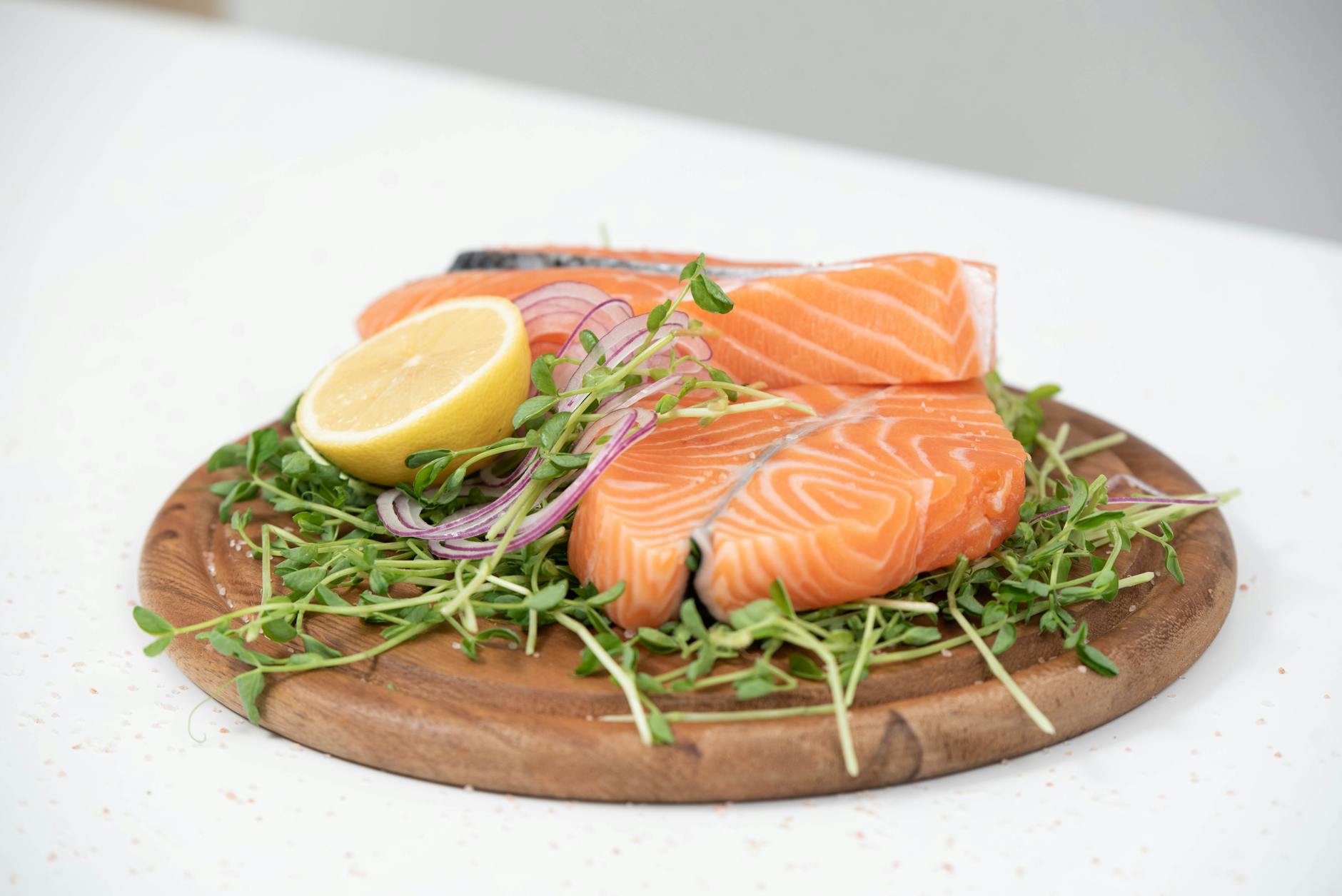
- Salmon: Wild-caught Atlantic or sockeye salmon delivers between 1.5 to 2.5 grams of combined EPA and DHA per 3-ounce serving. It’s one of the most accessible and versatile options available.
- Sardines: Often overlooked, sardines pack roughly 1.4 grams of EPA and DHA per serving and are also high in calcium and vitamin D. Canned sardines in water or olive oil make a convenient, affordable choice.
- Mackerel: Atlantic mackerel contains around 2.5 grams of omega 3s per serving. It’s one of the richest marine sources available and is also lower in mercury compared to larger fish.
- Herring: Another underrated fish, herring provides roughly 1.7 grams of omega 3s per serving and pairs well with whole grain crackers or as a breakfast addition in some European-style diets.
- Flaxseeds: One tablespoon of ground flaxseed delivers about 2.3 grams of ALA. While the conversion to EPA and DHA is limited, flaxseeds are still a valuable addition for plant-based eaters.
- Chia seeds: Two tablespoons of chia seeds provide around 5 grams of ALA. They’re easy to add to smoothies, yogurt, or overnight oats without altering flavor much.
- Walnuts: A small handful of walnuts (about 1 ounce) gives you 2.5 grams of ALA along with vitamin E, magnesium, and fiber. A genuinely easy snack upgrade.
- Algae oil: This is the plant-based answer to fish oil. Algae is actually where fish get their DHA in the first place, so algae oil provides direct DHA and sometimes EPA without any marine animals involved. Great for vegans.
- Oysters: Six medium oysters provide roughly 0.5 grams of omega 3s, plus they’re loaded with zinc and vitamin B12. A nutrient-dense option worth rotating in regularly.
How to Actually Build Omega 3s Into Your Daily Routine
Knowing what’s good for you and actually eating it consistently are two very different things. Many of us have felt that gap between intention and habit, you buy the salmon, it sits in the freezer for a week, and suddenly it’s Friday and you’ve had zero omega 3s all week. Here’s a practical approach to making omega 3-rich foods a real part of your week without overhauling everything at once.
- Schedule fatty fish twice a week: The American Heart Association recommends at least two servings of fatty fish per week. Pick two days on your calendar, say, Tuesday and Friday, and commit to salmon, sardines, or mackerel on those days. Meal prep a simple baked salmon ahead of time to remove the friction.
- Add seeds to meals you already eat: Keep a small jar of ground flaxseed or chia seeds next to your coffee maker or blender. Adding one tablespoon to your morning smoothie, oatmeal, or yogurt takes three seconds and builds a consistent daily habit you won’t have to think about.
- Swap your snack for walnuts: Replace chips or crackers with a small handful of walnuts at least three days a week. Combine them with a piece of fruit for a filling, brain-friendly snack that also supports blood sugar balance.
- Consider a quality supplement as a backup: If hitting two fish servings a week feels unrealistic right now, a high-quality fish oil or algae oil supplement can fill the gap. Look for products that list specific EPA and DHA amounts (combined 1,000 to 2,000 mg daily is a common target), have third-party testing for purity, and carry a molecular distillation certification to ensure low mercury levels.
Signs You Might Not Be Getting Enough Omega 3s
Most people in the Western world are significantly under-consuming omega 3s relative to omega 6 fatty acids, which are abundant in processed vegetable oils and packaged foods. This imbalance tips the body toward a more pro-inflammatory state over time. Some early warning signs that your omega 3 intake might need attention include rough or dry skin that doesn’t respond well to moisturizer, difficulty concentrating or mental fatigue that seems disproportionate to your sleep, joint discomfort that feels worse in the mornings, and low mood that fluctuates without a clear cause. None of these symptoms are definitive proof of deficiency, but they’re worth paying attention to alongside a nutrition check.
Frequently Asked Questions
How much omega 3 do I need per day?
For general health, most health organizations recommend at least 250 to 500 mg of combined EPA and DHA daily for adults. People with specific conditions like high triglycerides or depression may benefit from higher doses under medical supervision, sometimes up to 2,000 to 4,000 mg per day. ALA recommendations are higher, around 1.1 to 1.6 grams per day, since the conversion to EPA and DHA is inefficient.
Is fish oil as good as eating actual fish?
Fish oil supplements are a convenient and effective option, but whole fish comes with additional nutrients, protein, selenium, vitamin D, and B vitamins, that supplements don’t replicate. If you can eat fatty fish regularly, that’s the better choice. Supplements work well as a backup or for those who dislike fish or follow a plant-based diet.
Can you get enough omega 3 from a vegan diet?
You can get plenty of ALA from plant sources like flaxseeds, chia seeds, hemp seeds, and walnuts, but ALA alone may not meet your EPA and DHA needs due to the poor conversion rate. Algae-based omega 3 supplements are the most practical and effective solution for vegans who want direct DHA and EPA without compromising their dietary values.
Final Thoughts
The bottom line is that omega 3 fatty acids are one of those rare areas in nutrition where the research is strong, the food sources are genuinely delicious, and the practical steps to get more of them are refreshingly straightforward. You don’t need a complicated diet plan or an expensive supplement stack to make meaningful progress. Start with fatty fish twice a week, toss some chia or flax into your breakfast, swap in walnuts as your go-to snack, and consider a quality supplement if you need extra coverage. Done consistently over weeks and months, these small moves add up to real changes in how your heart, brain, joints, and skin feel and function. For more practical guides on building a sustainable healthy lifestyle, keep exploring NicheHubPro.com.
Related Articles
- Best Supplements For Energy And Focus
- Anti Inflammatory Foods To Eat Daily
- Best Foods For Brain Health And Focus