What Is Attachment Theory And How It Affects You
I’ve spent a lot of time thinking about why I used to sabotage close relationships without fully understanding why, and honestly, attachment theory was the thing that finally made it click for me. If you’ve ever wondered why you cling to some relationships or push people away without meaning to, the answer might live in your earliest memories. Understanding what is attachment theory and how it affects you is one of the most practical things you can do for your mental wellness. This isn’t abstract psychology reserved for therapists, it’s a framework that explains your patterns in love, friendship, and even work. Once you see it, you genuinely cannot unsee it.
The Origins of Attachment Theory
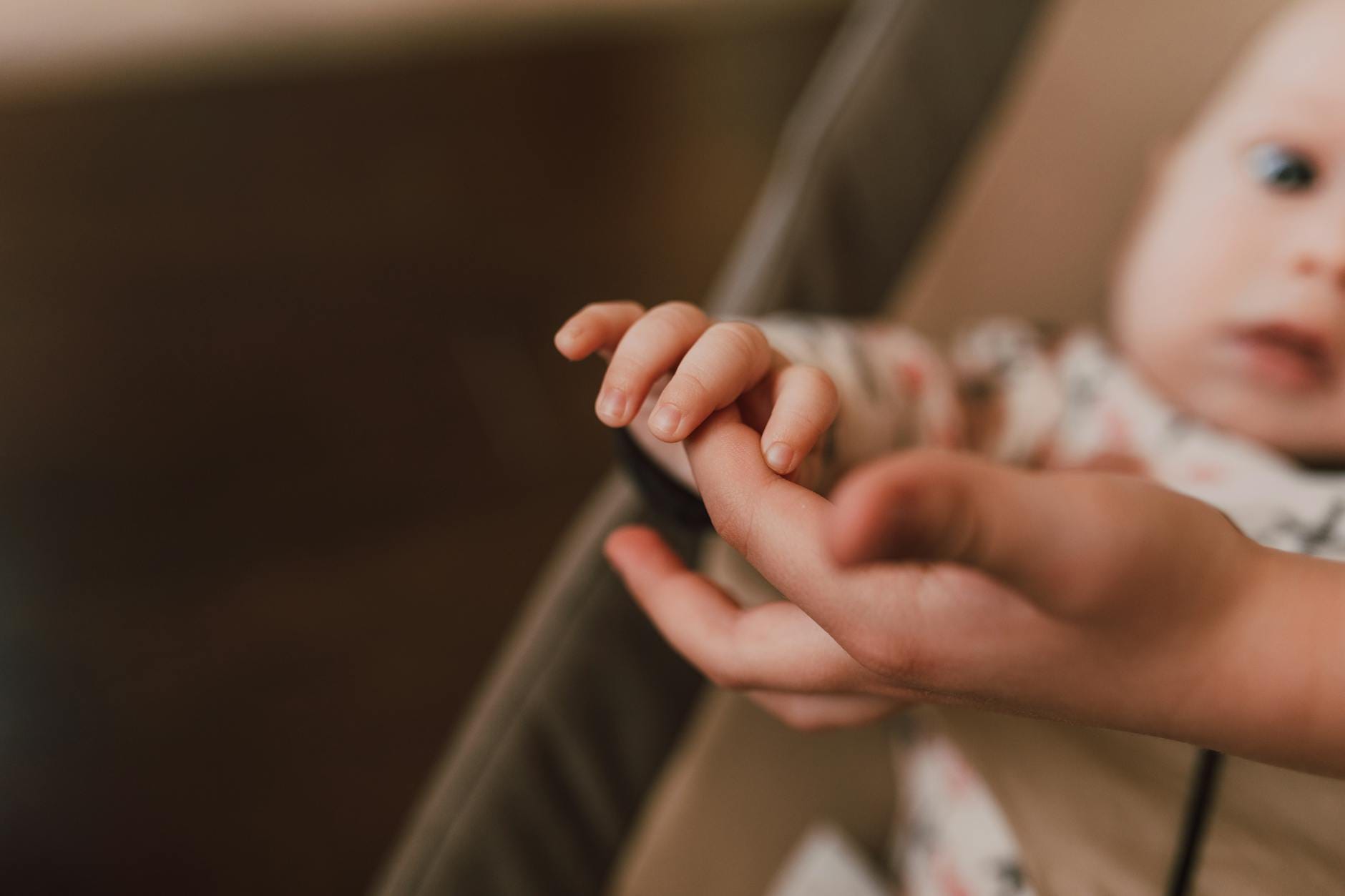
British psychiatrist John Bowlby developed attachment theory in the 1950s and 1960s after observing children separated from their caregivers. He argued that humans are biologically wired to seek closeness with a primary caregiver, and that the quality of that bond shapes how we relate to the world for the rest of our lives. His colleague Mary Ainsworth later identified distinct attachment styles through her landmark “Strange Situation” experiments, giving us a cleaner vocabulary for what Bowlby described.
The core idea is straightforward: when a caregiver consistently responds to an infant’s needs with warmth and reliability, the child develops a secure base. When that response is inconsistent, dismissive, or overwhelming, the child adapts, and those adaptations follow them into adulthood. According to research published in Current Opinion in Psychology, approximately 40% of adults are classified as having an insecure attachment style, meaning the effects of early caregiving touch nearly half the population.
The Four Main Attachment Styles
Bowlby and Ainsworth’s work eventually produced four recognized attachment styles. Researchers later translated these from childhood behavior into adult relationship patterns, and the match is striking. Here’s a breakdown of each style and what it tends to look like in daily life.
- Secure Attachment: People with this style generally feel comfortable with intimacy and independence. They communicate needs directly, trust that others will show up, and recover from conflict without catastrophizing. They grew up with caregivers who were present and responsive most of the time.
- Anxious Attachment (also called Preoccupied): This style develops when caregiving was inconsistent, loving one moment, unavailable the next. Adults with anxious attachment often crave closeness but fear abandonment intensely. They may over-explain, seek constant reassurance, or read silence as rejection.
- Avoidant Attachment (also called Dismissive): When emotional needs were regularly minimized or ignored, children learned to suppress them. As adults, they often value independence to an extreme, feel suffocated by emotional demands, and struggle to ask for help even when they need it.
- Disorganized Attachment (also called Fearful-Avoidant): This pattern typically emerges from chaotic or frightening early environments. Adults with disorganized attachment want connection but simultaneously fear it, leading to push-pull dynamics that can feel exhausting for everyone involved, including themselves.
How Your Attachment Style Shows Up Right Now
Attachment theory isn’t just about romantic relationships, though that’s where most people notice it first. Your attachment style quietly influences how you handle a disagreement with your manager, whether you pull away from friends during stress, how you respond to your own children, and even how you relate to yourself when things go wrong.
I know from experience that these patterns can feel completely invisible until someone points them out. Someone with an anxious style might spiral into worst-case thinking when a friend takes hours to reply to a message. Someone with an avoidant style might ghost a promising date the moment things feel emotionally deep. A person with disorganized attachment might alternate between desperate closeness and sudden withdrawal, confusing the people around them and feeling confused themselves.
The important point is that none of these patterns make you broken. They were smart adaptations to the environment you grew up in. The challenge is that your nervous system kept the playbook from childhood and is now running it in adult situations where it may no longer serve you.
How to Start Shifting Your Attachment Patterns
The brain is more changeable than we used to believe. Earning a more secure attachment style is genuinely possible through what researchers call “earned security”, the experience of consistent, safe relationships over time, whether with a therapist, a partner, a close friend, or a community. Here are concrete steps you can take to move in that direction.
- Identify your baseline: Notice your automatic responses in close relationships. Do you default to withdrawal, pursuit, or alternating between the two? Journaling after a conflict or emotional conversation can reveal patterns you otherwise overlook in the moment.
- Learn your triggers: Attachment distress is almost always activated by specific cues, a certain tone of voice, being left on read, someone canceling plans. Mapping your triggers helps you pause before reacting from old programming instead of the actual situation in front of you.
- Practice the opposite action deliberately: If you tend to avoid, practice reaching out once when you feel the urge to disappear. If you tend toward anxious pursuit, practice sitting with uncertainty for a set period before sending that follow-up text. Small behavioral experiments rewire neural pathways faster than insight alone.
- Seek corrective experiences: This is the most powerful step. Consistently safe relationships, a therapist trained in attachment-based approaches, a secure partner, or even a stable friendship, teach your nervous system that the old rules no longer apply. One reliable relationship can reorganize years of insecure patterning over time.
Attachment Theory and Mental Health
Therapists working in this space often point out that many anxiety and depression presentations are, at their root, attachment wounds playing out in adult life. Chronic loneliness, difficulty trusting, emotional numbness, and relationship instability are frequently connected to insecure attachment rather than a character flaw or a chemical imbalance alone.
Therapeutic approaches like Emotionally Focused Therapy, Attachment-Based Therapy, and Internal Family Systems all work partly by addressing the relational roots of distress. If you’ve tried to “think your way” out of patterns that keep repeating, working with the attachment system, which lives in the body and emotions, not just the rational mind, can reach places that cognitive strategies alone simply can’t.
It’s also worth saying that understanding your partner’s or close friend’s attachment style can change the entire texture of a relationship. Many of us have felt hurt by someone’s withdrawal, not realizing it was a learned survival strategy rather than indifference. When you can recognize that, it becomes so much easier to respond with curiosity instead of pain. That shift alone can stop cycles that would otherwise repeat indefinitely.
What Secure Attachment Actually Feels Like
People who haven’t experienced secure attachment often idealize it as some kind of frictionless relationship state. It’s not. Secure attachment means that two people can have conflict, experience distance, and still trust that the bond will hold. It means you can ask for what you need without fearing total rejection, and you can hear someone else’s needs without feeling threatened by them.
Security isn’t the absence of hard feelings. It’s the ability to navigate hard feelings without the relationship becoming the casualty. And the good news is that even one experience of genuine, consistent care, at any age, can begin to build that internal foundation. You’re not locked into the patterns you started with.
Frequently Asked Questions
Can your attachment style change as an adult?
Yes, and this is one of the most hopeful findings in attachment research. Through consistent safe relationships, therapy, and deliberate self-awareness, adults can develop what researchers call “earned security.” Change isn’t instant, but it’s well-documented and real.
How do I figure out my attachment style without taking a test?
Pay attention to how you feel when someone you care about is unavailable. If you feel panic or a strong urge to pursue, you likely lean anxious. If you feel relieved or dismissive, you likely lean avoidant. If you feel both at different times, a disorganized pattern may be at play. Patterns in past relationships often tell the clearest story.
Is attachment theory only relevant to romantic relationships?
Not at all. Attachment patterns show up in friendships, family dynamics, professional relationships, and even in how you relate to yourself during stress. Anywhere there’s emotional closeness and the possibility of loss, attachment dynamics are active.
Final Thoughts
The bottom line is that attachment theory is one of those frameworks that makes the confusing parts of human behavior suddenly click. Your habits in relationships aren’t random, and they aren’t permanent. They’re the logical result of what you learned early about safety, connection, and your own worth, and they can be rewritten with the right experiences over time. Start by simply getting curious about your patterns without judgment. That curiosity is the first step toward something more secure, and it’s a step worth taking at any age.
Related Articles
- What Is Cognitive Behavioral Therapy
- Therapy Vs Self Help Which Is Right For You
- How To Set Boundaries Without Feeling Guilty