
Best Foods For Brain Health And Focus
I’ll be honest, I didn’t really connect the dots between what I was eating and how I was thinking until I started paying closer attention to my afternoon crashes. If you’ve ever hit a mental wall at 2 PM or struggled to stay focused during a long study session, there’s a good chance what you ate that day had something to do with it. The good news? The best foods for brain health and focus aren’t exotic, expensive, or hard to find. Most of them are probably sitting in grocery stores within a mile of where you’re reading this right now. This guide breaks down exactly what to eat, why it works, and how to actually fit it into a busy schedule, no meal prep obsession required.
Why Food Affects Your Brain More Than You Think
Your brain accounts for roughly 2% of your body weight but burns about 20% of your daily energy. It runs almost entirely on glucose, it’s built largely from fat, and it depends on a steady flow of vitamins, minerals, and amino acids to produce neurotransmitters, the chemical messengers that control mood, alertness, and memory.
According to a 2015 review published in The Lancet Psychiatry, diet quality is significantly associated with mental health outcomes, including focus, cognition, and depression risk. What you eat isn’t just a physical health issue. It’s directly tied to how sharp, calm, and productive you feel on any given day.
The problem is that most of us eat for convenience and then wonder why we feel foggy by mid-morning. The fix isn’t complicated, but it does require knowing which foods actually move the needle.
Top Foods That Support Brain Health and Focus
Let’s get specific. These aren’t vague superfoods pulled from a random wellness blog. Each one has real mechanisms that explain why it helps your brain function better.
Fatty Fish
Salmon, sardines, mackerel, and trout are among the richest dietary sources of omega-3 fatty acids, particularly DHA and EPA. About 60% of your brain is made of fat, and DHA is the dominant structural fat in brain cell membranes. Low DHA levels are consistently linked to poorer memory, slower processing speed, and higher risk of cognitive decline.
Eating two to three servings of fatty fish per week gives your brain the raw material it needs to maintain healthy cell communication. If fish isn’t your thing, high-quality algae-based omega-3 supplements are a solid plant-based alternative.
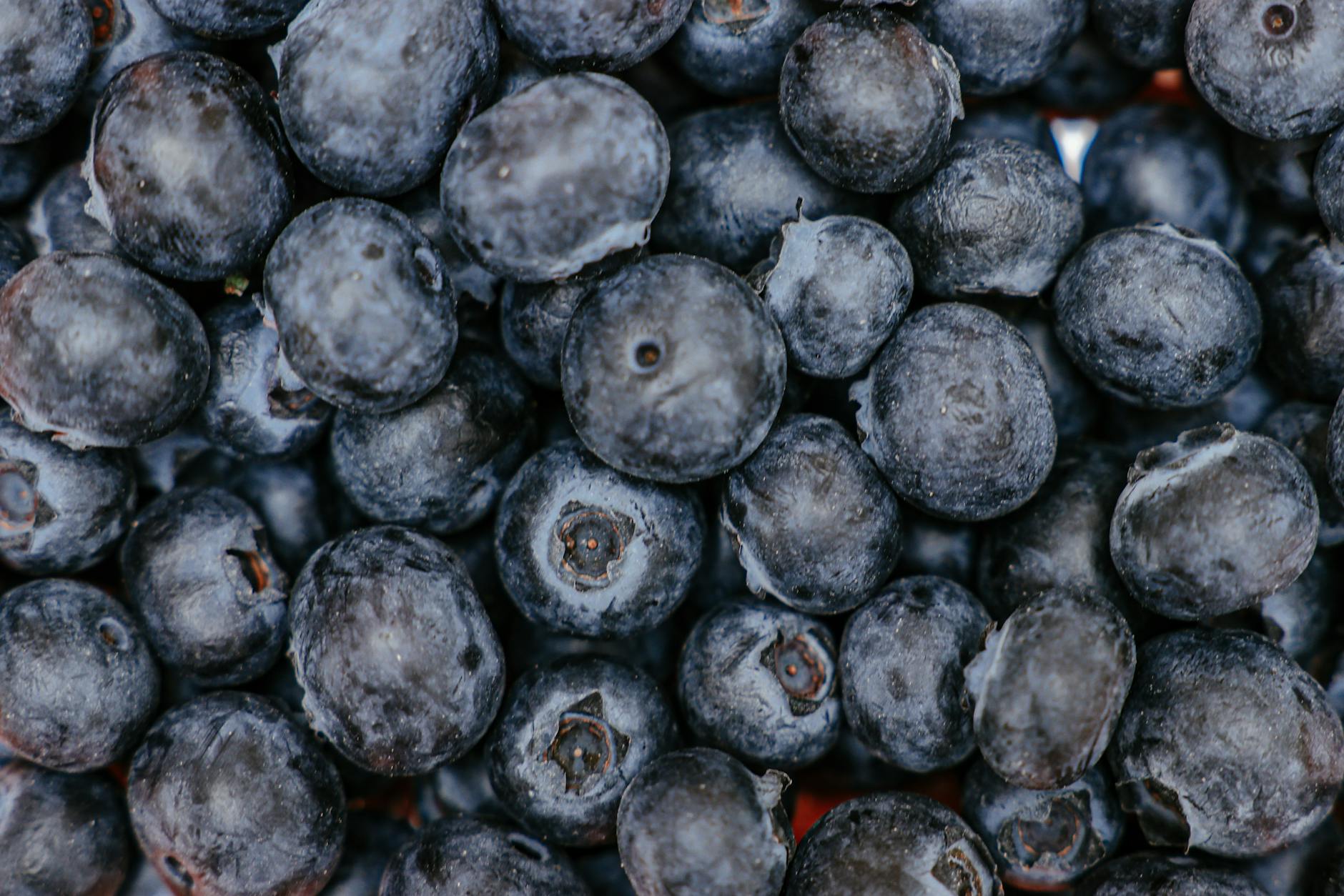
Blueberries
Blueberries contain flavonoids called anthocyanins, which cross the blood-brain barrier and accumulate in areas associated with learning and memory. Research from Tufts University found that blueberry supplementation improved memory and delayed age-related cognitive decline in animal models, with human studies showing similar trends in short-term memory and attention.
The practical angle: a small handful of blueberries added to oatmeal or yogurt in the morning takes about ten seconds and gives your brain a measurable advantage before your workday even starts.
Eggs
Eggs are honestly one of the most underrated brain foods out there. They’re rich in choline, a nutrient your body uses to produce acetylcholine, a neurotransmitter critical for memory, mood regulation, and mental focus. Most people don’t get enough choline from their diet, and the deficiency is largely invisible until cognitive performance starts to slip.
Two eggs a day covers a significant portion of your daily choline needs without any complicated food prep. Scrambled, boiled, poached, all equally effective.
Dark Chocolate
Not a trick. Dark chocolate with 70% or higher cacao content contains flavanols that increase blood flow to the brain, along with small amounts of caffeine and theobromine, which improve alertness and mood. It also triggers the release of endorphins, which is why it genuinely makes you feel better for a short period.
A square or two in the afternoon is a legitimate, research-supported snack that beats a sugary energy drink by a wide margin. I know from experience that swapping my 3 PM candy bar for a couple of squares of dark chocolate made a real difference in how I felt going into the back half of my day.
Leafy Greens
Spinach, kale, arugula, and romaine are loaded with folate, vitamin K, lutein, and beta-carotene. A long-term study from Rush University Medical Center found that people who ate one to two servings of leafy greens per day had cognitive abilities equivalent to someone 11 years younger than those who rarely ate them.
The easiest way to eat more leafy greens if you’re not a salad person: blend a handful of spinach into a smoothie. You won’t taste it, but your brain will notice.
Nuts and Seeds
Walnuts in particular look almost suspiciously like a brain, and they happen to be among the best foods for it. They’re high in DHA, vitamin E, and polyphenols. Vitamin E acts as an antioxidant that protects neurons from oxidative stress, which accumulates over time and is linked to memory loss.
Pumpkin seeds add zinc, magnesium, and iron to the mix, all minerals involved in nerve signaling and attention regulation. A small handful of mixed nuts and seeds as a mid-morning snack is one of the simplest upgrades you can make to your daily routine.
Avocados
Avocados provide monounsaturated fats that support healthy blood flow to the brain, along with folate and vitamin K. Sustained blood flow is directly tied to sustained attention. Poor circulation to the brain is a common and under-discussed reason people feel mentally sluggish despite getting enough sleep.
How to Actually Build a Brain-Healthy Eating Routine
Knowing which foods help is step one. Building a routine that makes them automatic is where most of us fall short. Here’s a practical framework you can start this week without overhauling your entire diet.
- Audit your current breakfast. If it’s high in refined sugar or simple carbs, cereal, pastries, flavored yogurt, swap it out for eggs with a side of berries or avocado toast on whole grain bread. This single change can improve your morning focus within a few days.
- Add one leafy green per day. Don’t try to eat a salad at every meal. Just find one moment in the day to add spinach, arugula, or kale. A smoothie, a side dish, or mixed into a wrap all work equally well.
- Replace processed snacks with nuts or dark chocolate. Keep walnuts, almonds, or pumpkin seeds at your desk or in your bag. When the afternoon slump hits, reach for those instead of chips or a candy bar.
- Eat fatty fish twice a week. Canned sardines or salmon count. You don’t need a full dinner plate of grilled salmon. A sardine toast or a salmon rice bowl checks the box just as well.
- Stay hydrated. Even mild dehydration, about 1 to 2% of body weight lost to fluid, measurably reduces cognitive performance, particularly working memory and attention. Keep a water bottle on your desk and drink consistently throughout the day, not just when you feel thirsty.
- Time your meals strategically. Large, heavy meals before deep work sessions tend to redirect blood flow toward digestion and away from the brain. Eat lighter before tasks that require serious focus, and save larger meals for lower-demand parts of your day.
Foods to Eat Less Of
This isn’t about restriction, it’s about awareness. Certain foods actively work against focus and mental clarity.
- Refined sugar: Causes blood glucose spikes and crashes that directly impair concentration and short-term memory.
- Highly processed snack foods: Often loaded with trans fats, additives, and empty calories that increase neuroinflammation over time.
- Excess alcohol: Even moderate consumption impairs memory consolidation and disrupts sleep quality, which is essential for cognitive function.
- Skipping meals: Your brain can’t run on empty. Skipping breakfast or lunch doesn’t sharpen focus, it usually does the opposite, especially during high-demand cognitive tasks.
Frequently Asked Questions
How quickly can dietary changes affect focus and mental clarity?
Some effects are near-immediate. Swapping a high-sugar breakfast for a protein and healthy fat-based meal can produce a noticeable difference in morning focus within a few days. Long-term structural benefits, like improved memory and reduced cognitive decline risk, develop over weeks to months of consistent dietary habits. Think of it as compound interest for your brain.
Do I need supplements if I’m eating a brain-healthy diet?
Not necessarily, but a few are worth considering if your diet has gaps. Omega-3 supplements are useful if you don’t eat fatty fish regularly. A B-complex vitamin can help if you’re under significant stress or eat a plant-heavy diet with limited animal products. Always consult a healthcare provider before adding supplements, especially if you’re managing any health conditions.
Is caffeine actually good for brain focus?
In moderate amounts, yes. Caffeine blocks adenosine receptors in the brain, which reduces feelings of fatigue and increases alertness. The research on this is solid. The catch is timing and quantity, too much caffeine leads to anxiety and poor sleep, which negates the focus benefits entirely. One to two cups of coffee or green tea per day, preferably before noon, tends to be the sweet spot for most people.
Final Thoughts
The bottom line is that the best foods for brain health and focus aren’t found in some specialized diet plan or wellness program. They’re ordinary foods, eggs, fish, berries, nuts, greens, that most people can afford and find at any grocery store. The difference between someone who eats intentionally for mental performance and someone who doesn’t isn’t willpower or discipline. It’s just awareness and a few small, consistent habits. Start with one change this week. Add another next week. Your brain will do the rest.
Related Articles
- Anti Inflammatory Foods To Eat Daily
- Gut Health Tips For Beginners
- How To Focus Better When Working From Home