
Best Foods For Brain Health
I’ve spent a lot of time researching what actually makes a difference in how we think and feel day-to-day, and honestly, food keeps coming up as one of the biggest levers we have. If you’re looking for the best foods for brain health, you’re already ahead of most people who assume mental fatigue is just a fact of life. The truth is, what you eat has a direct impact on how well you focus, remember things, and handle stress, and the science behind it is pretty compelling. Whether you’re grinding through back-to-back meetings or pulling a late-night study session, your brain is burning through energy and nutrients faster than you might think. The good news? A few simple dietary changes can genuinely move the needle on your cognitive performance.
Why Food and Brain Function Are More Connected Than You Think
Your brain accounts for roughly 2% of your body weight but consumes about 20% of your daily energy. It runs almost entirely on glucose, but it also needs a steady stream of vitamins, minerals, and fats to maintain its structure and function. Think of it like a high-performance engine, it doesn’t just need fuel, it needs the right fuel. When you skimp on certain nutrients, you start to feel it: slower thinking, poor memory recall, mood dips, and that frustrating inability to concentrate even when you really need to.
According to a 2023 study published in Nature Mental Health, people who followed a diet rich in whole foods, healthy fats, and leafy vegetables showed significantly lower rates of cognitive decline and depression compared to those eating primarily processed foods. That’s not a small finding, it suggests that your grocery list might be one of the most practical mental health tools available to you. I know from experience that this can feel hard to believe when you’re exhausted and reaching for whatever’s convenient, but the connection is real.
The Best Foods for Brain Health (And What Makes Them Work)
Not every “superfood” label deserves the hype, but the following foods have solid research behind them. Let’s break down what to actually put on your plate.
- Fatty fish (salmon, sardines, mackerel): These are loaded with omega-3 fatty acids, specifically DHA and EPA. DHA is literally a structural component of brain cells. If you’re not eating fatty fish two or three times a week, you’re missing one of the most well-researched nutrients for memory and mood.
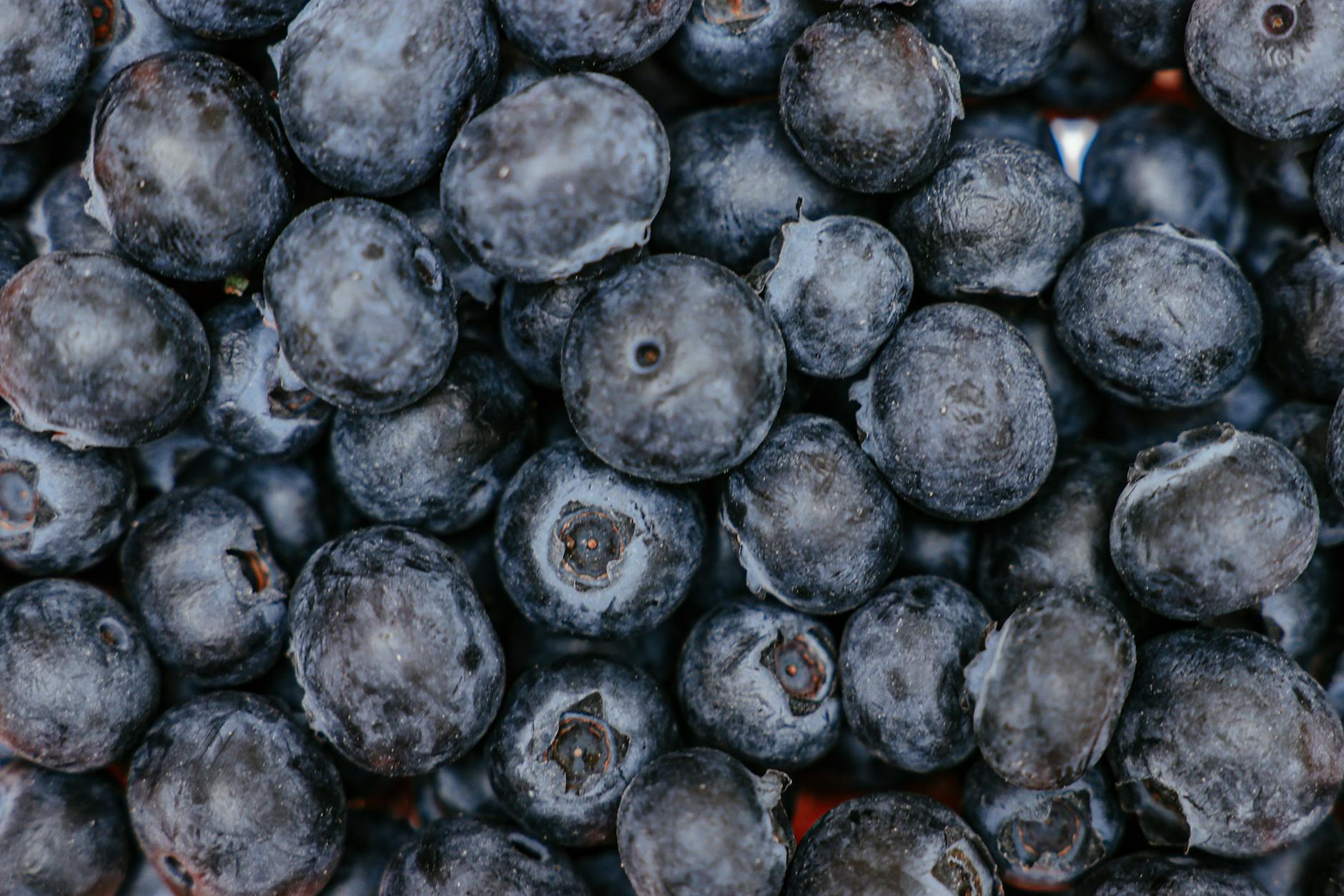
- Blueberries: Small but genuinely impressive. Blueberries are packed with flavonoids called anthocyanins, which have been shown to improve communication between brain cells and delay age-related cognitive decline. Throw a handful into your morning yogurt or oatmeal and you’re done.
- Dark leafy greens (spinach, kale, arugula): These deliver folate, vitamin K, and lutein, nutrients linked to slower cognitive aging. A big salad a few times a week isn’t just good for your waistline. It’s good for your recall speed too.
- Walnuts: Walnuts contain a plant-based form of omega-3 (ALA), along with polyphenols and vitamin E. Studies have associated regular walnut consumption with better working memory. Plus, they’re portable and require zero prep work.
- Eggs: Often overlooked in brain food conversations, eggs are one of the best dietary sources of choline, a nutrient used to produce acetylcholine, a neurotransmitter involved in memory and learning. The yolk is where most of that choline lives, so don’t skip it.
- Dark chocolate (70% cacao or higher): Good news for the chocolate lovers. Dark chocolate contains flavonoids, caffeine, and theobromine, a combination that can improve focus and mood. A small square in the afternoon is a perfectly reasonable snack strategy.
- Avocados: Rich in monounsaturated fats, avocados support healthy blood flow to the brain. They also contain folate and vitamin K, adding to their cognitive benefits. Spread it on toast, slice it into a salad, or just eat it with a spoon if that’s your thing.
- Green tea: Contains both caffeine and L-theanine, an amino acid that promotes calm focus without the jitteriness you sometimes get from coffee alone. If you find coffee too intense in the afternoon, green tea is a solid alternative.
How to Actually Build a Brain-Healthy Diet (Without Overhauling Your Life)
Reading a list of good foods is one thing. Actually incorporating them into a busy schedule is another. Many of us have felt that gap between knowing what we should eat and actually making it happen when life gets hectic. Here’s a straightforward approach to making this work without stressing about it.
- Start with one swap per week. Pick one processed snack you regularly eat and replace it with something from the list above. Swap the chips for walnuts. Swap the candy bar for a square of dark chocolate. Small replacements add up without feeling restrictive.
- Build a “brain bowl” lunch routine. A few times a week, throw together a bowl with leafy greens, a protein (canned salmon, a hard-boiled egg, or grilled chicken), half an avocado, and some berries on the side. It takes about five minutes and ticks multiple boxes at once.
- Batch prep your brain-friendly snacks on Sunday. Hard-boil six eggs, portion out walnuts into small bags, and wash your blueberries. When everything is ready to grab, you’re much less likely to reach for something that won’t serve you during a high-stakes workday or exam week.
- Upgrade your breakfast before anything else. Breakfast is the meal most people default to something sugary or skip entirely. Replace a high-sugar cereal with oatmeal topped with blueberries and a tablespoon of walnut pieces. You’ll notice the difference in your morning focus faster than you might expect.
- Drink more water consistently. This isn’t a food, but it belongs here. Even mild dehydration, as little as 1-2% of body weight lost in fluids, can impair concentration and short-term memory. Keep a water bottle at your desk and treat hydration as part of your brain health strategy.
Foods to Limit If You Care About Your Cognitive Performance
You don’t need to be perfect, but it helps to know which foods are working against you. Ultra-processed foods high in refined sugar and trans fats have been consistently linked to inflammation, which negatively affects brain function over time. This doesn’t mean you can never eat them, it just means they shouldn’t be forming the foundation of your diet. Alcohol in excess also disrupts sleep quality and memory consolidation. And while caffeine is fine in moderate amounts, relying on it to mask chronic sleep deprivation is a short-term fix with long-term costs.
The Gut-Brain Connection Is Real (And Worth Knowing About)
One angle that often gets overlooked in brain health conversations is the gut-brain axis. Your gut and brain communicate constantly through the vagus nerve and through chemical signals. When your gut microbiome is healthy, it produces neurotransmitters like serotonin, about 90% of which is actually made in the gut, not the brain. Wild, right? Foods that support gut health (fermented foods like kefir, yogurt, kimchi, and fiber-rich vegetables) can therefore support your mood and mental clarity in ways that feel indirect but are very real. If you want to go deeper on this topic, it’s worth exploring NicheHubPro’s articles on gut health and its relationship to stress and mood.
Frequently Asked Questions
How quickly will I notice changes in focus and mental clarity after changing my diet?
Some people notice subtle improvements in energy and focus within one to two weeks of adding more whole foods, healthy fats, and hydration to their routine. However, the most significant cognitive benefits, like improved memory and reduced mental fatigue, tend to build over several weeks and months of consistent eating habits. Don’t expect an overnight transformation, but do expect gradual, real improvement.
Do I need to take supplements if I’m eating the right foods?
For most people eating a varied diet that includes fatty fish, leafy greens, eggs, and nuts, supplements aren’t strictly necessary. That said, omega-3 supplements (fish oil) can be useful if you don’t eat fish regularly, and vitamin D is commonly deficient in people who don’t get much sun, and it plays a role in brain health. It’s always worth checking with a healthcare provider before adding new supplements.
Is coffee good or bad for the brain?
Moderate coffee consumption, generally one to three cups per day, has actually been associated with lower risk of cognitive decline and improved short-term focus in multiple studies. The issue arises when coffee becomes a crutch for poor sleep, or when it causes anxiety that interferes with performance. Used intentionally and in reasonable amounts, it’s one of the most studied and generally well-tolerated cognitive aids out there.
Final Thoughts
The bottom line is that eating for brain health doesn’t require a complete lifestyle overhaul, an expensive meal plan, or a degree in nutrition. It mostly comes down to making slightly better choices more often, reaching for the walnuts instead of the vending machine, adding spinach to something you’re already making, choosing salmon once or twice a week. These small, consistent choices compound over time into real differences in how you think, focus, and feel. Your brain does a lot for you every single day, feeding it well is one of the simplest ways to return the favor.