How To Get Enough Protein On A Budget
If you’re trying to figure out how to get enough protein on a budget, you’re not alone, and the good news is it’s genuinely easier than most fitness content makes it sound. Protein has a reputation for being expensive, mostly because the wellness industry loves to push supplements, premium cuts of meat, and fancy packaged snacks. But the reality is that some of the most protein-dense foods on the planet are also some of the cheapest. This guide breaks down exactly how to eat well, hit your protein targets, and keep your grocery bill from spiraling.
Why protein actually matters (without the gym-bro lecture)
Protein isn’t just for people trying to build muscle. It plays a role in keeping you full between meals, supporting your immune system, helping your body repair tissue, and even stabilizing your mood. For busy professionals and students, that last point matters more than most people realize, protein helps regulate blood sugar, which directly affects your focus and energy levels throughout the day.
According to a 2023 review published in Nutrients by researchers at the University of Toronto, adults who consumed adequate daily protein reported significantly better satiety and lower overall calorie intake compared to those who under-consumed protein, suggesting that eating enough protein can actually help you spend less on food over time, not more. That’s a useful reframe if you’ve been treating protein as a luxury.
So how much do you need? The general recommendation is 0.8 grams per kilogram of body weight per day as a minimum, though many sports dietitians suggest 1.2 to 1.6 grams per kilogram for active people. A 70 kg person would aim for roughly 85 to 112 grams daily. That sounds like a lot until you start mapping it onto actual foods.
The best budget protein sources
Before getting into strategy, it helps to know which foods give you the most protein per dollar. This changes slightly depending on your location and local store prices, but the following options consistently rank as high-value across most markets.
- Eggs: Roughly 6 grams of protein per egg, and a dozen typically costs between $2 and $4. Few foods compete with this ratio.
- Canned tuna or sardines: A standard can of tuna has around 25 grams of protein and usually costs under $2. Sardines offer similar protein with the added benefit of omega-3 fatty acids.
- Dried lentils: About 18 grams of protein per cooked cup, and a one-pound bag costs around $1.50 and yields multiple servings.
- Canned chickpeas or black beans: 15 grams of protein per cup, shelf-stable, and cheap. Great for adding to salads, rice dishes, or soups without any prep time.
- Chicken thighs (bone-in): Often less than half the price of chicken breast, with comparable protein content. The flavor is also better for most cooking methods.
- Cottage cheese: Roughly 25 grams of protein per cup at a low cost. It’s mild enough to eat with fruit or savory toppings.
- Greek yogurt (store brand): Around 17 grams per cup. Store brands offer the same protein as premium labels at a fraction of the price.
- Tofu (firm): About 20 grams per cup when pressed. Freezing and thawing tofu before cooking gives it a meatier texture and helps it absorb marinades better.
- Edamame (frozen): 17 grams per cup and one of the few plant foods that’s a complete protein. Frozen bags are inexpensive and last for weeks.
How to plan a high-protein week without overthinking it
Planning doesn’t have to mean spending your Sunday making twelve identical meal prep containers. A looser approach works fine as long as you have a few anchor meals built around the ingredients above. Think of it as having a shortlist of go-to combinations rather than a rigid schedule.
A useful habit is to identify your protein source first when deciding what to eat, then build the rest of the meal around it. Most people do the opposite, they think of a dish and then wonder how to add protein to it. Reversing that order makes hitting your targets much more consistent.
Step-by-step: building a budget protein plan that actually works
- Audit your current grocery spending. Before changing anything, look at your last two to three grocery receipts. Identify where your money is going. Most people find they’re spending heavily on processed snacks, drinks, or pre-packaged meals that are both expensive and low in protein. This step gives you a realistic baseline.
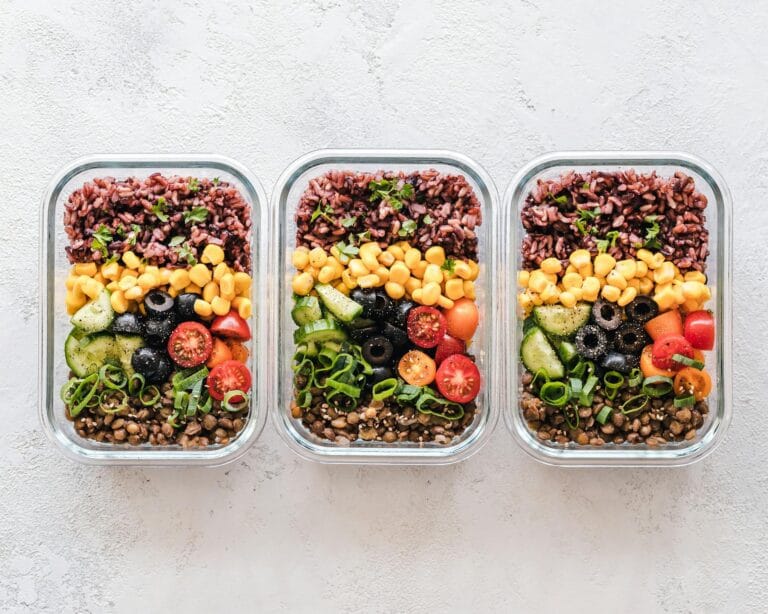
- Pick three to four core protein sources. Don’t try to eat everything on the budget protein list at once. Choose the options you’ll realistically enjoy and know how to cook. For most people, eggs, canned beans, and one animal protein (chicken thighs or canned fish) cover a huge range of meals without getting boring.
- Batch cook your protein twice a week. Hard-boil a batch of eggs. Cook a full pot of lentils or a large tray of chicken thighs. Store them in the fridge. Having ready-to-use protein removes the barrier of “I don’t have time to cook” that leads to expensive and low-protein takeout choices.
- Use beans and legumes as extenders, not substitutes. You don’t have to go fully plant-based to save money. Add chickpeas to chicken dishes, stir black beans into ground meat, or mix lentils into soups. This stretches your more expensive protein sources further while increasing your total protein intake per meal.
- Buy frozen and canned over fresh when it makes sense. Frozen edamame, canned sardines, and canned tuna are nutritionally comparable to fresh versions and dramatically cheaper. Frozen chicken and fish also often cost less than fresh and have identical protein profiles.
- Track your protein for one week. You don’t have to do this forever. But doing it once, using a free app like Cronometer or MyFitnessPal, shows you exactly where your gaps are. Most people are surprised to find they’re already getting decent protein at breakfast and lunch but barely any at dinner, or vice versa. One week of data helps you adjust without guessing.
What about protein powder?
Protein supplements aren’t necessary, but they’re not useless either. If you genuinely struggle to hit your protein targets through food, which can happen on hectic days, a basic whey or pea protein powder can be a practical backup. The key word is basic. Unflavored or simply flavored bulk powders (brands like Bulk Supplements or NOW Sports) cost far less per gram of protein than most flavored premium options. Look for products that list a protein source as the first ingredient and have minimal additives.
That said, whole food sources almost always win on cost and satiety. A can of tuna costs less than a single serving of most protein powders and keeps you fuller longer because it contains more fat and water volume. Use supplements to fill gaps, not as your primary strategy.
Quick meals that hit 30+ grams of protein cheaply
Knowing what to eat is helpful, but seeing it mapped onto real meals makes it more usable. Here are a few combinations that are quick, cheap, and solidly high in protein.
- Two eggs scrambled with half a cup of cottage cheese mixed in, served with canned black beans on the side: roughly 40 grams of protein.
- A large bowl of lentil soup made with dried lentils, canned tomatoes, and spices: about 20 to 25 grams per serving depending on portion size.
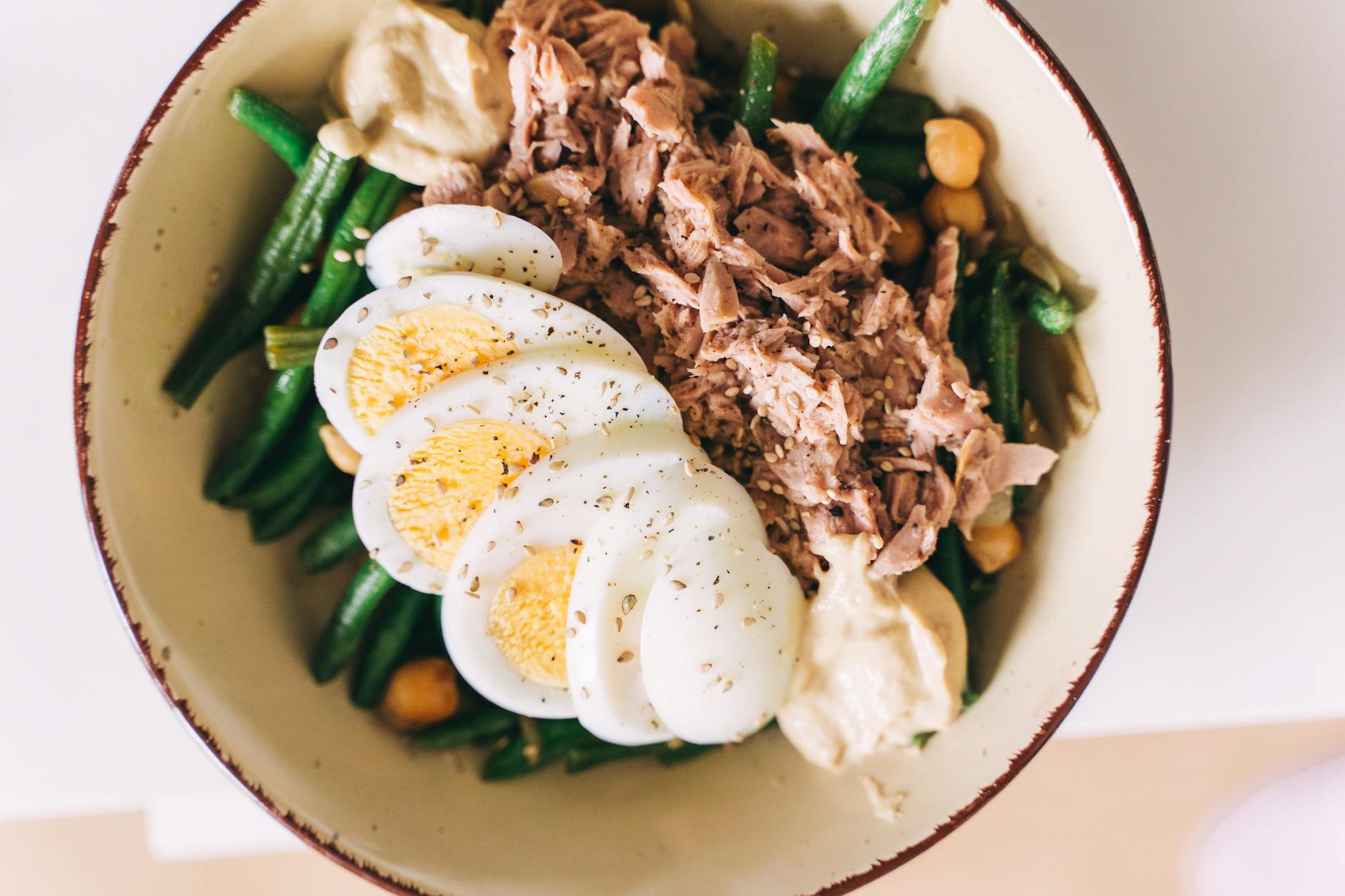
- Canned tuna mixed with Greek yogurt instead of mayo, served on whole grain bread with spinach: approximately 35 grams of protein.
- Stir-fried tofu with frozen edamame and soy sauce over rice: roughly 30 grams per serving and takes under 15 minutes.
- Chicken thigh with canned chickpeas roasted together in the oven with olive oil and cumin: around 45 grams per portion.
Frequently Asked Questions
Can I get enough protein without eating meat?
Yes, without much difficulty. Lentils, chickpeas, black beans, tofu, tempeh, edamame, Greek yogurt, eggs, and cottage cheese are all high-protein options that don’t require meat. The main thing to watch if you eat no animal products at all is getting a variety of plant proteins throughout the day, since most plant sources are incomplete proteins on their own. Combining sources like rice and beans, or hummus and whole grain bread, gives you a full amino acid profile.
Is it possible to eat 100+ grams of protein per day for under $5?
In most parts of the United States and Canada, yes. A day built around two eggs at breakfast, a can of tuna at lunch, a cup of lentils as a side, and a chicken thigh at dinner can exceed 100 grams of protein for roughly $4 to $5 in total ingredient cost. Prices vary by region, but the general principle holds. Buying in bulk and using store brands lowers the cost further.
Do I really need to track my protein intake?
Not indefinitely. Tracking for one to two weeks is genuinely useful because it shows you patterns you wouldn’t notice otherwise. After that, most people develop a good enough sense of what a high-protein day looks like and can maintain it without logging every meal. If you find yourself consistently low on energy or feeling hungry shortly after meals, it’s worth revisiting the numbers briefly rather than guessing.
Final thoughts
Eating enough protein on a tight budget is far more achievable than the supplement industry wants you to believe. The most expensive part of most people’s protein intake is the packaging and marketing, not the protein itself. Eggs, legumes, canned fish, and affordable cuts of poultry have been feeding people adequately for generations at low cost. If you start by adding one high-protein food to each meal and batch cooking twice a week, you’ll likely hit or exceed your daily target without spending more than you already do, and a 2022 analysis in the Journal of Nutrition found that meal planning behavior alone was associated with significantly higher diet quality scores, independent of income level.